
Top Brands Absent from AI Search Results Despite Strong Traditional Rankings
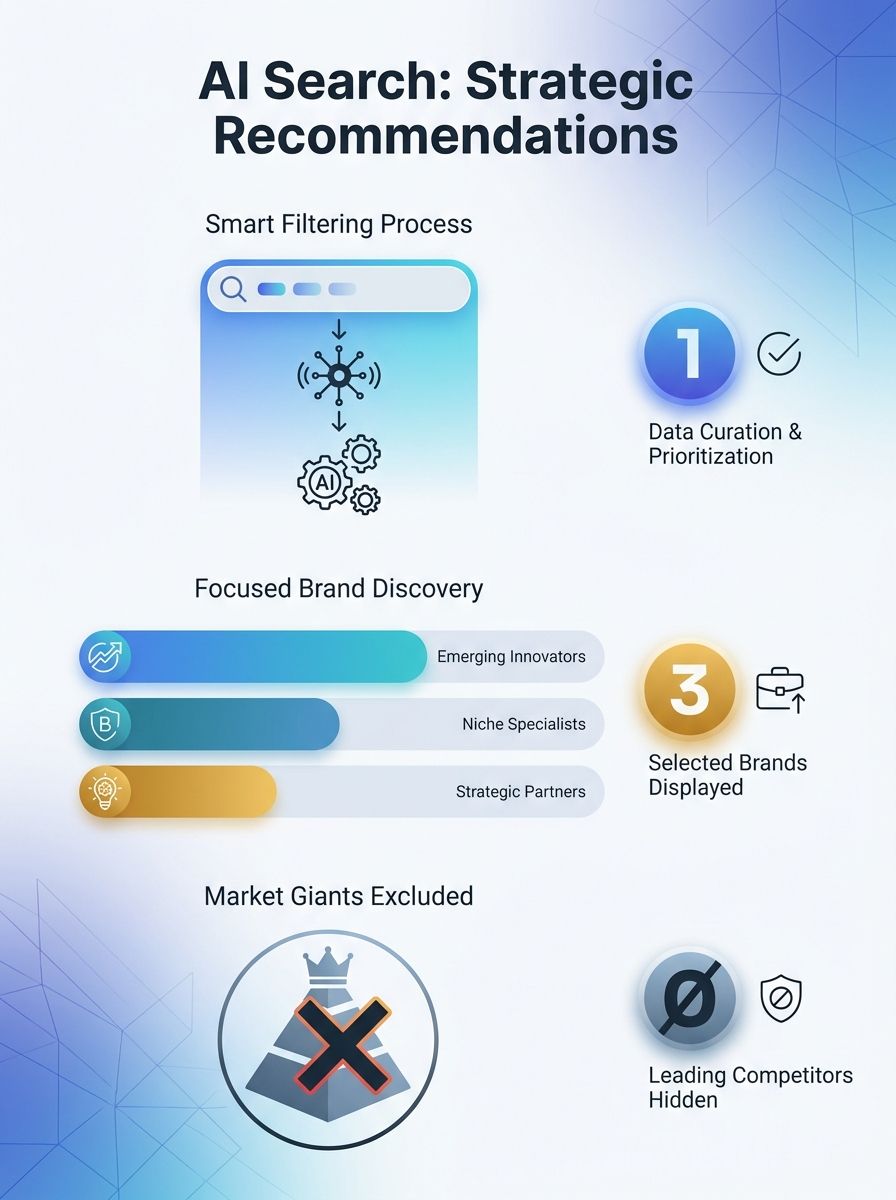
Established brands with dominant market positions and solid Google rankings are being excluded from AI-generated search results, according to an analysis published by Adgully examining the disconnect between traditional search engine optimization and AI-driven recommendations.
Top Brands Absent from AI Search Results Despite Strong Traditional Rankings
Established brands with dominant market positions and solid Google rankings are being excluded from AI-generated search results, according to an analysis published by Adgully examining the disconnect between traditional search engine optimization and AI-driven recommendations. The report, authored by Sonali Ramaiya, founder of Roarrr Media, documents cases where companies ranking well on conventional search engines fail to appear when users query AI platforms like ChatGPT.
The phenomenon highlights a fundamental shift in how search visibility operates. Where traditional search engines list multiple results for users to evaluate, AI systems provide direct recommendations based on limited brand sets, the analysis found. According to data cited in the report from TechRadar, over 60 percent of searches now conclude without a click because AI delivers answers directly within the interface.
Traditional SEO Metrics Show Weak Correlation
The report identifies a critical gap in how AI systems evaluate brand authority compared to conventional search algorithms. Traditional SEO metrics including backlinks and domain authority demonstrate weak correlation with AI visibility, according to research referenced in the analysis.
AI platforms evaluate reputation across the broader internet rather than assessing individual websites, the findings indicate. The systems prioritize credible media mentions, expert-led content, and third-party validation over brand-owned claims. Companies maintaining strong offline market positions but limited earned media coverage face exclusion from AI recommendations regardless of their business performance.
Third-Party Validation Drives AI Recognition
The analysis emphasizes that AI systems rely heavily on earned media and third-party sources when generating responses, contrasting with owned content that brands control directly. This dependency creates what the report characterizes as a credibility distribution challenge for marketing teams.
Brands featured, quoted, or referenced across credible platforms gain recognition as trusted entities within AI training data and response generation, according to the findings. The shift repositions public relations from a visibility tool to a credibility mechanism that influences AI recommendations.
The report notes that founder branding contributes an additional visibility layer. AI platforms recognize individual thought leaders who write, speak at events, and secure media features, often connecting founder authority back to their companies. A visible founder generates stronger digital signals than a silent one within AI search systems, the analysis found.
Gap in Strategic Response
Most brands continue focusing investment on SEO optimization, performance marketing, and social media content rather than building AI visibility through earned media, according to the analysis. This gap creates an opportunity for early movers who prioritize credibility development over traditional optimization tactics.
The report contrasts current brand strategies with the emerging AI search landscape. Companies investing in credibility distribution will dominate AI recommendations, while those maintaining conventional approaches face diminishing click-through opportunities as zero-click searches increase.
The Credibility-First Shift Marketers Must Address
Marketing managers and SEO specialists face a strategic recalibration as AI search platforms reshape visibility economics. The data showing 60 percent of searches ending without clicks directly threatens traffic acquisition models built on traditional search rankings.
Teams should audit their earned media footprint across credible third-party platforms rather than solely optimizing owned properties. The weak correlation between conventional SEO metrics and AI visibility suggests budgets allocated exclusively to technical optimization may miss the credibility signals that AI systems prioritize. Integrating PR activities with search strategies becomes essential rather than optional.
The founder branding dimension presents an additional lever for mid-market companies and enterprise brands. Developing executive thought leadership through bylined articles, speaking engagements, and expert commentary builds individual recognition that AI platforms associate with corporate authority. Companies with silent leadership teams risk weaker positioning compared to competitors whose founders maintain active public profiles.

Alex Chen
Alex Chen is a digital marketing strategist with over 8 years of experience helping enterprise brands and agencies scale their online presence through data-driven campaigns. He has led marketing teams at two successful SaaS startups and specializes in conversion optimization and multi-channel attribution modeling. Alex combines technical expertise with strategic thinking to deliver actionable insights for marketing professionals looking to improve their ROI.
Explore more topics