
Agency SEO Specialists Face Execution Gap When Moving In-House, New Career Guide Shows
In-house SEO roles require fundamentally different skill sets than agency positions, with execution and cross-departmental coordination replacing deliverable production as the primary success metric, according to a career transition guide published by Search Engine Land on April 27. Drew Marlier, an
Agency SEO Specialists Face Execution Gap When Moving In-House, New Career Guide Shows
In-house SEO roles require fundamentally different skill sets than agency positions, with execution and cross-departmental coordination replacing deliverable production as the primary success metric, according to a career transition guide published by Search Engine Land on April 27. Drew Marlier, an SEO professional with more than a decade of agency experience, documented seven operational shifts that agency-trained specialists encounter when they move to internal marketing teams.
The analysis highlights structural differences between agency and in-house work that extend beyond reporting relationships. Agency SEO professionals typically deliver analysis and recommendations to clients, then move to the next account on their roster. In-house specialists must translate that same analysis into actionable plans, coordinate implementation across design teams, product marketing managers, developers, and project managers, then answer directly for results when performance declines.
"When you're in-house, you aren't just reporting on a dip in performance — it feels like you're defending your entire SEO strategy," Marlier wrote in the guide. The piece outlines how performance ownership shifts from analytical reporting to full accountability for outcomes, a transition that many agency-trained SEOs underestimate when evaluating in-house opportunities.
Execution Complexity Replaces Deliverable Production
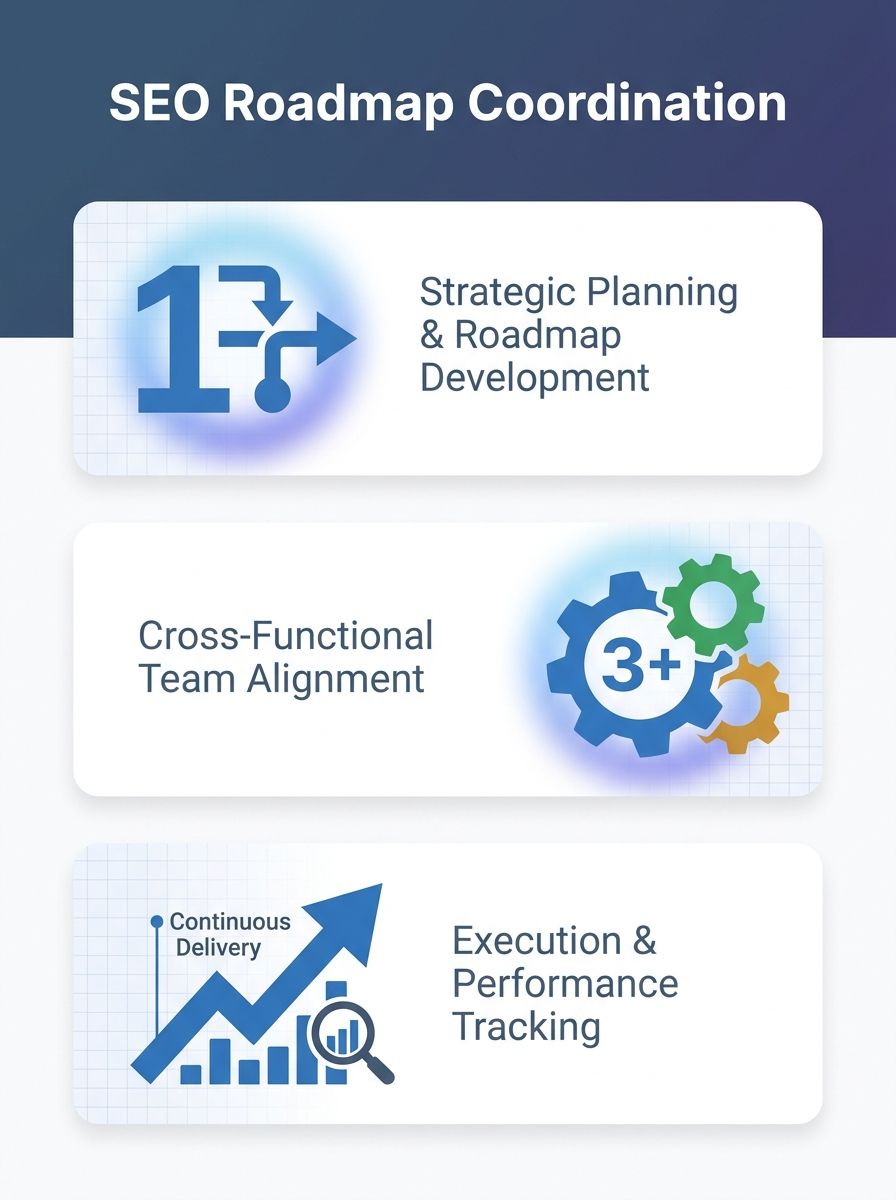
The second major lesson centers on execution mechanics. Agency work optimizes for polished slide decks and comprehensive strategy documents, while in-house roles measure success by implemented changes. Marlier described the coordination required to execute a single SEO initiative: reviewing Figma designs with the design team, aligning messaging with product marketing, tracking deadlines through project managers, and validating technical implementation with developers.
This operational reality mirrors challenges documented in cross-team SEO workflow frameworks that emphasize integrated planning systems over isolated deliverables. The guide notes that agency professionals who have embedded deeply in client operations gain execution experience that transfers more effectively to in-house roles than those who primarily produce external-facing documents.
The performance measurement shift creates particular friction during traffic declines. Agency teams typically spend hours analyzing search trends, ranking changes, and Search Console data, then deliver a report explaining the dip. In-house teams receive that same report as the starting point, not the conclusion. They must then socialize findings to executives, defend strategic direction, and build recovery plans while directly answering for the business impact.
Stakeholder Management and Communication Priorities
The guide identifies stakeholder communication as a critical skill gap. Agency SEO professionals develop expertise explaining technical concepts to clients, but in-house roles require explaining those same concepts to executives who control budgets, product teams who control roadmaps, and engineering teams who control implementation timelines. Marlier emphasized that storytelling becomes more important than pure technical strategy when navigating internal organizational structures.
The client relationship dynamic inverts completely. Agency professionals who previously managed demanding clients or navigated difficult working relationships now become the client themselves when hiring external agencies. The guide recommends that new in-house specialists draw on their agency experience to become collaborative partners rather than difficult stakeholders, maintaining the same responsiveness and clarity they valued from their best clients.
Resource allocation differs substantially between environments. Agency teams often juggle 5-10 client accounts simultaneously, dividing attention across multiple industries and business models. In-house teams focus exclusively on one brand but must compete for engineering resources, design bandwidth, and executive attention against product launches, paid marketing campaigns, and other organizational priorities that may carry more political weight than organic search performance.
Technical Depth Versus Organizational Navigation
The remaining lessons address technical implementation speed, internal advocacy requirements, and the long-term visibility differences between agency portfolio building and in-house career advancement. Agency environments reward rapid technical problem-solving across diverse situations. In-house environments reward the ability to navigate organizational complexity, build cross-functional relationships, and deliver measurable business outcomes over quarterly and annual timeframes.
Marlier noted that agency professionals who had one deeply embedded client engagement where they built development tickets, reviewed designs, and pushed CMS updates developed transferable execution skills. Most agency roles, however, optimize for breadth over depth, leaving specialists unprepared for the coordination intensity that in-house execution demands.
The guide arrives as digital marketing organizations increasingly bring SEO capabilities in-house rather than relying exclusively on agency partners. Understanding the operational differences between environments helps both agency professionals evaluating career transitions and hiring managers assessing candidate readiness for in-house roles.
The Takeaway
The career transition from agency to in-house SEO requires reorienting around execution rather than analysis, a shift that many experienced specialists underestimate. Marketing managers hiring for in-house SEO positions should evaluate candidates on cross-functional coordination capabilities and stakeholder communication skills, not just technical depth. Agency professionals considering the move should seek embedded client engagements that build implementation experience before transitioning, and should expect a 6-12 month learning curve navigating internal organizational dynamics even with strong technical foundations. The performance accountability shift from "delivering the report" to "delivering the results" fundamentally changes how SEO work is evaluated and valued within marketing organizations.

Alex Chen
Alex Chen is a digital marketing strategist with over 8 years of experience helping enterprise brands and agencies scale their online presence through data-driven campaigns. He has led marketing teams at two successful SaaS startups and specializes in conversion optimization and multi-channel attribution modeling. Alex combines technical expertise with strategic thinking to deliver actionable insights for marketing professionals looking to improve their ROI.
Explore more topics