
Marketing Operations Consultant Guide Establishes Process Documentation and Technology Rationalization as Primary Value Drivers
TechBullion published a comprehensive framework for marketing operations consulting on September 30, defining the role as a systems and process specialist distinct from strategy or execution roles, according to the guide.
Marketing Operations Consultant Guide Establishes Process Documentation and Technology Rationalization as Primary Value Drivers
TechBullion published a comprehensive framework for marketing operations consulting on September 30, defining the role as a systems and process specialist distinct from strategy or execution roles, according to the guide. The publication addresses coordination failures in marketing technology stacks, lead management workflows, and data governance practices that the guide identifies as the primary source of campaign underperformance rather than creative or messaging deficiencies.
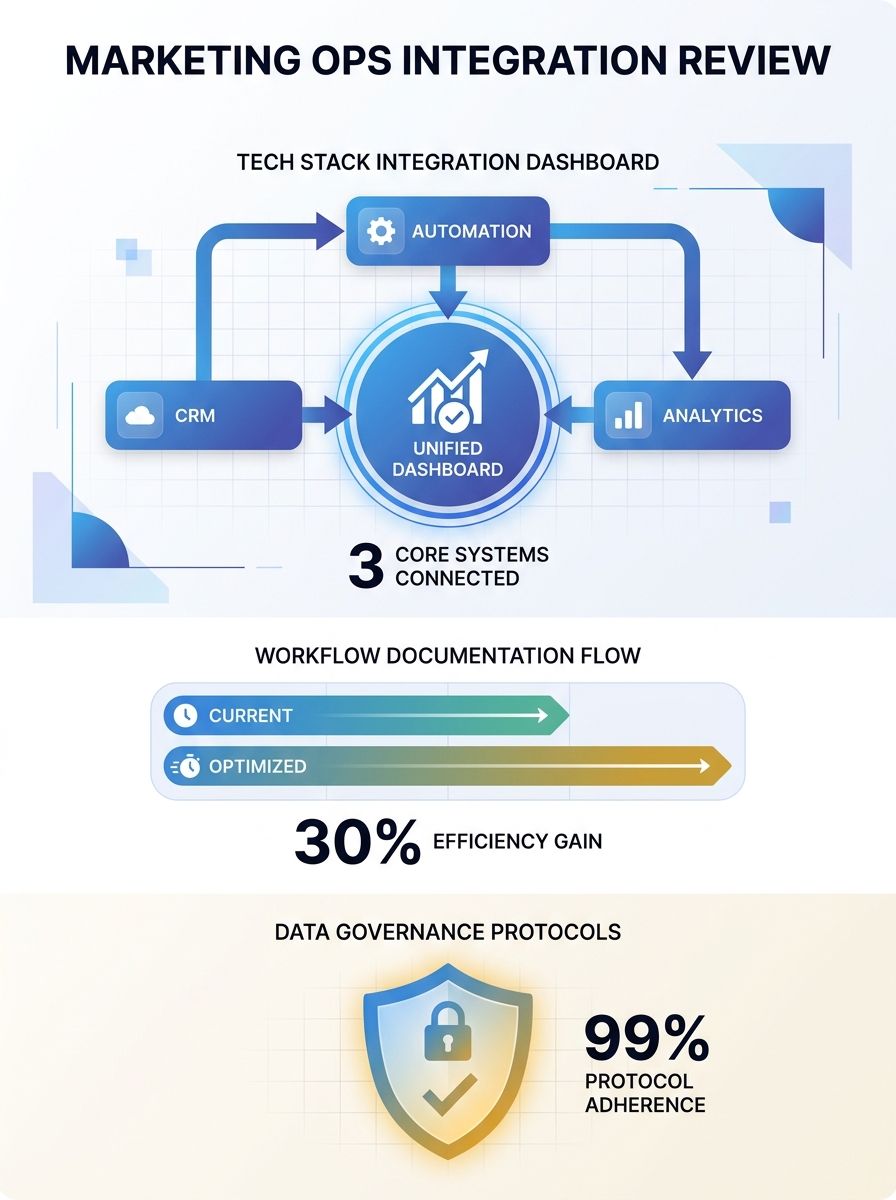
The guide argues most marketing teams fail due to disconnected systems rather than weak creative execution, with data fragmentation across platforms creating incomplete reporting that undermines budget allocation decisions. Marketing operations consultants address this gap by examining technology infrastructure, lead management processes, and reporting structures connecting marketing activity to revenue outcomes, the framework states.
Operational Assessment Methodology Prioritizes Functional Audit Over Checklist Review
The framework establishes operational assessment as the mandatory starting point for any engagement, requiring examination of data flow between systems, automation effectiveness, lead qualification handoffs, and reporting utilization gaps. This phase demands platform access, stakeholder interviews, and commercial goal alignment before any restructuring begins, according to the methodology outlined in the guide.
Assessment output produces a prioritized inventory of operational gaps rather than theoretical ideal states, focusing on immediate drag sources and changes with the clearest downstream performance effects. The guide positions this approach as distinct from vendor-led assessments that evaluate against feature lists rather than actual workflow requirements.
Organizations evaluating their marketing data integration frameworks should note the guide recommends auditing how data flows between platforms before assessing individual tool capabilities, a sequence that reverses typical technology procurement processes.
Technology Stack Rationalization Addresses Tool Proliferation and Integration Gaps
The framework identifies technology stack rationalization as a primary consultant responsibility, describing gradual tool accumulation as teams adopt platforms to solve specific problems while retaining legacy systems after requirements evolve. This pattern creates partially integrated stacks with overlapping functions, data silos, and maintenance overhead that diverts resources from higher-value work, the guide states.
Rationalization decisions evaluate which tools genuinely support current workflows versus creating friction, positioning the exercise as reliability improvement rather than cost reduction alone. A leaner integrated stack produces greater predictability, simpler auditing, and reduced training complexity for new team members, according to the framework.
The methodology recommends evaluating tools against operational requirements rather than vendor feature comparisons, a distinction the guide describes as essential for sustainable stack decisions.
Process Documentation Converts Institutional Knowledge Into Repeatable Workflows
The guide establishes process documentation as core consultant responsibility, arguing undocumented marketing operations create dependency on individual team members who hold institutional knowledge. When these individuals depart, organizations lose entire operational understanding layers rather than just personnel, the framework states.
Workflow design specifically addresses marketing-to-sales handoff points, which the guide identifies as consistently problematic in B2B environments due to disagreements over lead quality, timing, and follow-up expectations. Structured handoff processes remove ambiguity and provide shared operational standards for both teams, according to the methodology.
The framework positions data governance and reporting integrity as dependent on process documentation, stating marketing data utility relies on team confidence in accuracy. When confidence erodes, decision-making degrades regardless of available data volume, the guide argues.
Organizations managing campaign launch timelines may find the workflow documentation approach relevant for addressing coordination gaps that extend project delivery despite technology adoption.
Marketing Implications
Marketing leaders evaluating operational gaps should recognize the guide's central argument: system fragmentation during growth creates more performance drag than creative or messaging deficiencies. The framework provides assessment criteria for determining whether coordination problems require external operational expertise versus internal process adjustments.
Technology stack rationalization methodology offers evaluation criteria beyond cost reduction, focusing on integration reliability and maintenance overhead as primary decision factors. Organizations carrying multiple platforms with overlapping functions can apply the workflow-requirements assessment approach before procurement or renewal decisions.
The workflow documentation emphasis addresses a specific operational risk: knowledge concentration in individual team members creates business continuity vulnerability when personnel change. Marketing departments without documented handoff processes between functions should note the guide's positioning of this gap as conversion-limiting rather than merely administrative.

Alex Chen
Alex Chen is a digital marketing strategist with over 8 years of experience helping enterprise brands and agencies scale their online presence through data-driven campaigns. He has led marketing teams at two successful SaaS startups and specializes in conversion optimization and multi-channel attribution modeling. Alex combines technical expertise with strategic thinking to deliver actionable insights for marketing professionals looking to improve their ROI.
Related Articles

Marketing Data Integration Framework Prioritizes Exit Flexibility Over Dashboard Convenience
A martech procurement framework published by ContentGrip on September 20 argues buyers should evaluate marketing data integration by exportability and vendor independence rather than connector count, using the U.S.

HubSpot Publishes Content Automation Workflow Guide Mapping Five-Stage Lifecycle Implementation
Content automation workflows now span five distinct lifecycle stages—research, drafting, optimization, distribution, and measurement—replacing manual handoffs with programmatic pipelines, according to a workflow guide HubSpot published July 1. The guide, authored by Kenny Lee, documents how marketin

Organizations With Documented Content Strategies Report Nearly Double the Effectiveness Rate, CMI Data Shows
Content marketing programs built around documented strategies report 71% effectiveness rates compared to 38% among organizations without formal plans, according to Content Marketing Institute research cited in an analysis published June 14, 2026, by Dumbest Generation. The 33-percentage-point gap re
Explore more topics