
AI Systems Recommend Brands Based on Third-Party Mentions, Not Direct SEO Signals, Agency Founder Says
Kris Jones, founder of LSEO and former CEO of Pepper Jam, stated that AI search systems recommend brands based on third-party mentions and brand signals rather than direct optimization efforts, according to a Search Engine Journal podcast published August 3, 2026.

AI Systems Recommend Brands Based on Third-Party Mentions, Not Direct SEO Signals, Agency Founder Says
Kris Jones, founder of LSEO and former CEO of Pepper Jam, stated that AI search systems recommend brands based on third-party mentions and brand signals rather than direct optimization efforts, according to a Search Engine Journal podcast published August 3, 2026. Jones attributed AI recommendation decisions to a single factor: synthesis, meaning the systems now compare options and deliver recommendations rather than presenting ranked lists for users to evaluate themselves.
The shift moves brand visibility work from owned properties to earned media. Jones estimated that 70 to 80 percent of AI search optimization remains fundamental SEO practice, with the remainder covering third-party reputation management across independent publications, review platforms, and industry recognition programs.
AI Systems Now Handle the Comparison Step Users Once Performed Manually
Traditional search engines presented ranked lists of options and left comparison work to users, who opened multiple tabs and weighed results themselves. AI search platforms complete that synthesis step before presenting results, delivering a single recommendation or shortlist based on information drawn from multiple sources.
"Traditional search basically worked to provide you with options to answer your question. You're required to do the synthesis. Whereas with AI, AI changed the game by doing the synthesis," Jones said during the podcast. The change places users closer to purchase decisions than blue links ever did, according to Jones, because they arrive at brands pre-advised rather than mid-research.
Jones described the dynamic as a trust shift. Users accept synthesized answers from AI systems and act on recommendations without reviewing underlying sources, he noted, representing what he called a "leap of faith" in model output.
Third-Party Publications and Awards Programs Drive AI Recommendation Decisions
AI systems pull recommendation signals from content published about brands rather than content published by brands, Jones explained. That includes industry awards, best-of comparisons on established publications, and reviews aggregated across platforms. The work required to appear in AI recommendations therefore sits outside owned channels.
Jones recommended that businesses identify credible third-party award and recognition programs in their industries and pursue them systematically. He acknowledged that many such programs operate on pay-to-play models and feature repeat winners year after year, but defended the practice with a direct observation: "Those are the companies that are showing up in the AI recommendations."
The same logic extends to editorial coverage on category-specific publications. When an authoritative publisher produces comparison content ranking the top platforms in a space, that coverage becomes source material for AI models synthesizing later recommendations, according to Jones. He clarified that self-published "best agencies" listicles naming the publisher at the top constitute spam and carry no value, noting the approach only works when sources remain independent.
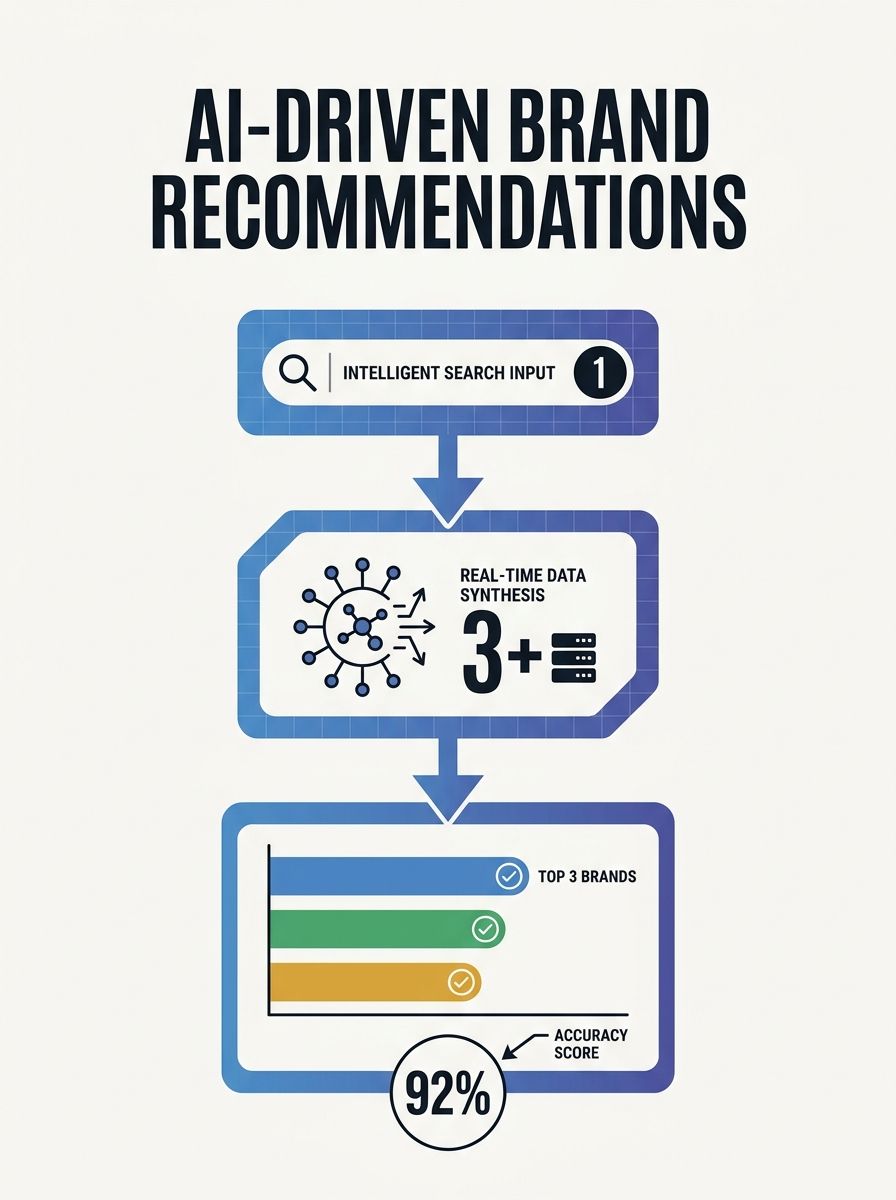
The shift parallels prior optimization work but redirects budget allocation. Jones advised marketers not to eliminate existing SEO programs but to layer earned media efforts on top, noting that most of the required budget increase belongs in public relations rather than technical optimization. Research published in June 2026 showed that self-promotional listicles feed competitor recommendations in Google AI Overviews, confirming the importance of independent third-party mentions.
Brand Messaging Consistency Across the Web Now Determines AI Output Accuracy
Jones compared current brand messaging requirements to NAP consistency practices in local SEO, where business name, address, and phone number had to match across all online mentions. The same discipline now applies to product descriptions, pricing information, and service details scattered across the web in third-party content.
Inconsistent or outdated information creates direct business costs when AI systems surface stale data in generated answers. Jones cited a concrete example from his client work: a chain of adult education schools whose tuition figures appeared in Google AI Overviews pulled from a Reddit thread roughly 10 years old. The figure displayed ran approximately 30 percent below current pricing.
The misinformation triggered conversion losses and operational friction. Prospective students called confused or annoyed about apparent price increases that had never occurred, Jones reported. Correcting the problem required publishing accurate current information across multiple credible sources to provide AI models with corroborating data that would outweigh the outdated forum post.
Analysis published by Adweek in recent months found that brands ranking number one on Google miss 62 percent of AI Overview citations, illustrating the disconnect between traditional search performance and AI recommendation inclusion. The gap stems from AI systems drawing on broader source pools than ranked search results alone, according to Jones.
Reading Between the Lines
The shift Jones describes moves budget from pages companies control to mentions they must earn, fundamentally altering the use points available to marketing teams. Organizations accustomed to optimizing owned content for featured snippets or ranking positions now face a model that treats owned properties as secondary signals at best.
The efficiency gain for users—synthesized recommendations replacing manual comparison work—creates an efficiency loss for brands, since influence over AI output requires distributed reputation management across dozens or hundreds of third-party properties rather than concentrated optimization of a single corporate site. The 70-to-80 percent estimate Jones provided for overlap with existing SEO practice likely reflects technical infrastructure (structured data, site speed, crawlability) that remains foundational but no longer sufficient on its own. The remaining 20 to 30 percent, directed toward earned media, represents a different skill set and vendor relationship than most SEO programs currently fund.
The pricing misinformation example highlights enforcement costs organizations now inherit. A single outdated mention in a high-authority source can persist for years in AI output, requiring active monitoring and correction cycles that resemble brand safety work more than search optimization. Companies either resource that ongoing auditing internally or accept periodic reputational damage when AI systems surface information the company published nowhere and cannot directly control.

Alex Chen
Alex Chen is a digital marketing strategist with over 8 years of experience helping enterprise brands and agencies scale their online presence through data-driven campaigns. He has led marketing teams at two successful SaaS startups and specializes in conversion optimization and multi-channel attribution modeling. Alex combines technical expertise with strategic thinking to deliver actionable insights for marketing professionals looking to improve their ROI.
Related Articles
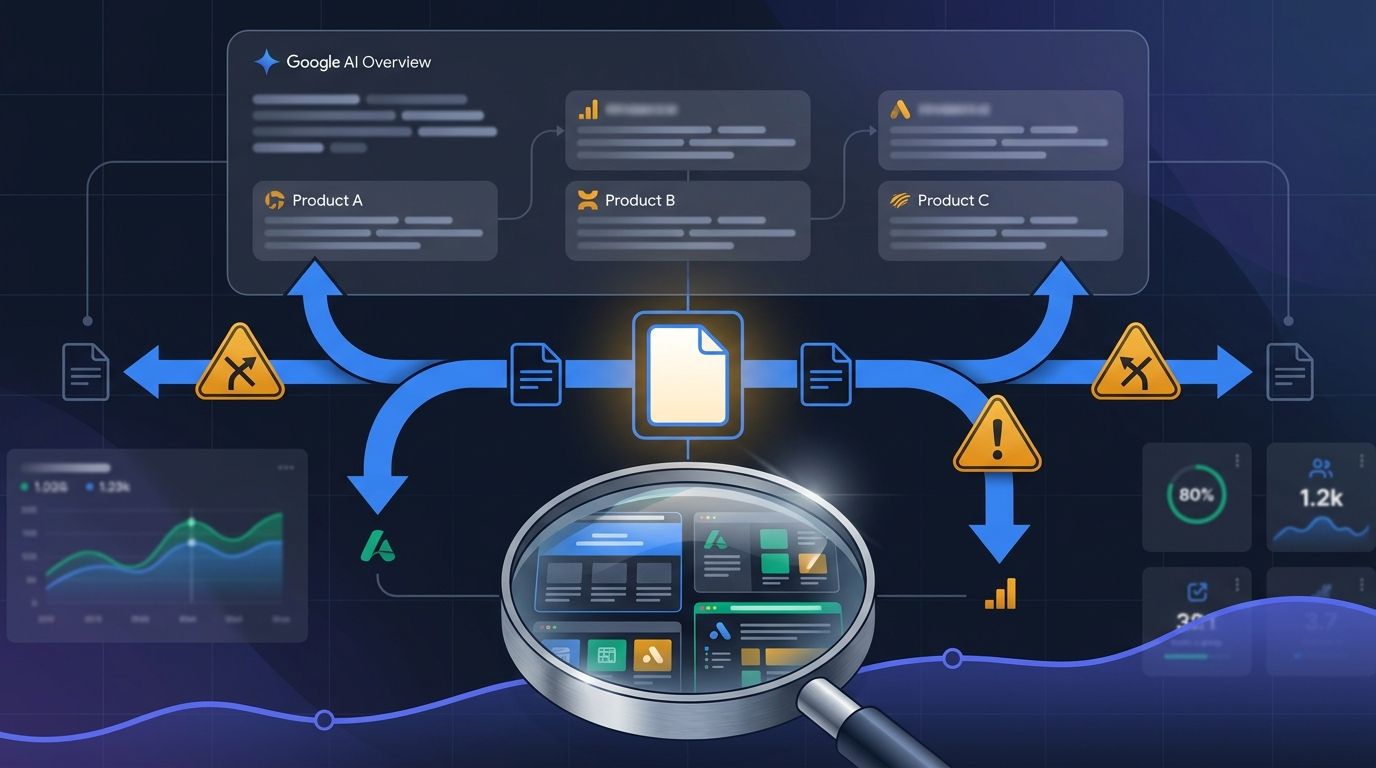
Self-Promotional Listicles Feed Competitor Recommendations in Google AI Overviews, June 2026 Research Shows
Self-promotional comparison pages that rank brands in a category are now feeding competitor recommendations inside Google's AI Overviews, according to research published in June 2026 by Lily Ray analyzing 100 B2B software queries across three months. Cited brands lose the recommendation 69% of the t
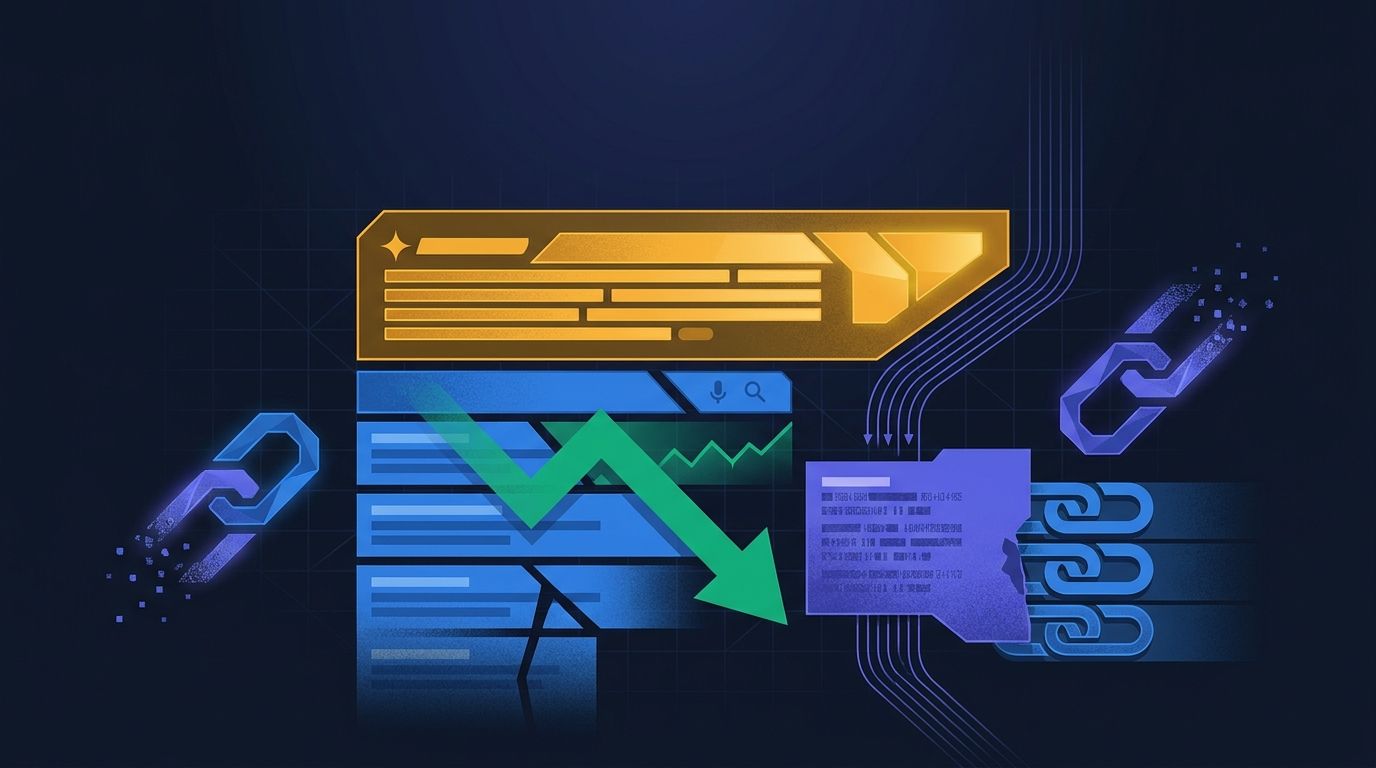
AI Overviews Now Trigger on 48% of Google Searches, Slashing Organic CTR Up to 61%
AI Overviews now appear on 48 percent of all Google search queries—a 58 percent increase over the past three months—and zero-click searches have climbed to 83 percent on queries that trigger the feature, according to data published by Quasa on May 24. The shift has driven organic click-through rate
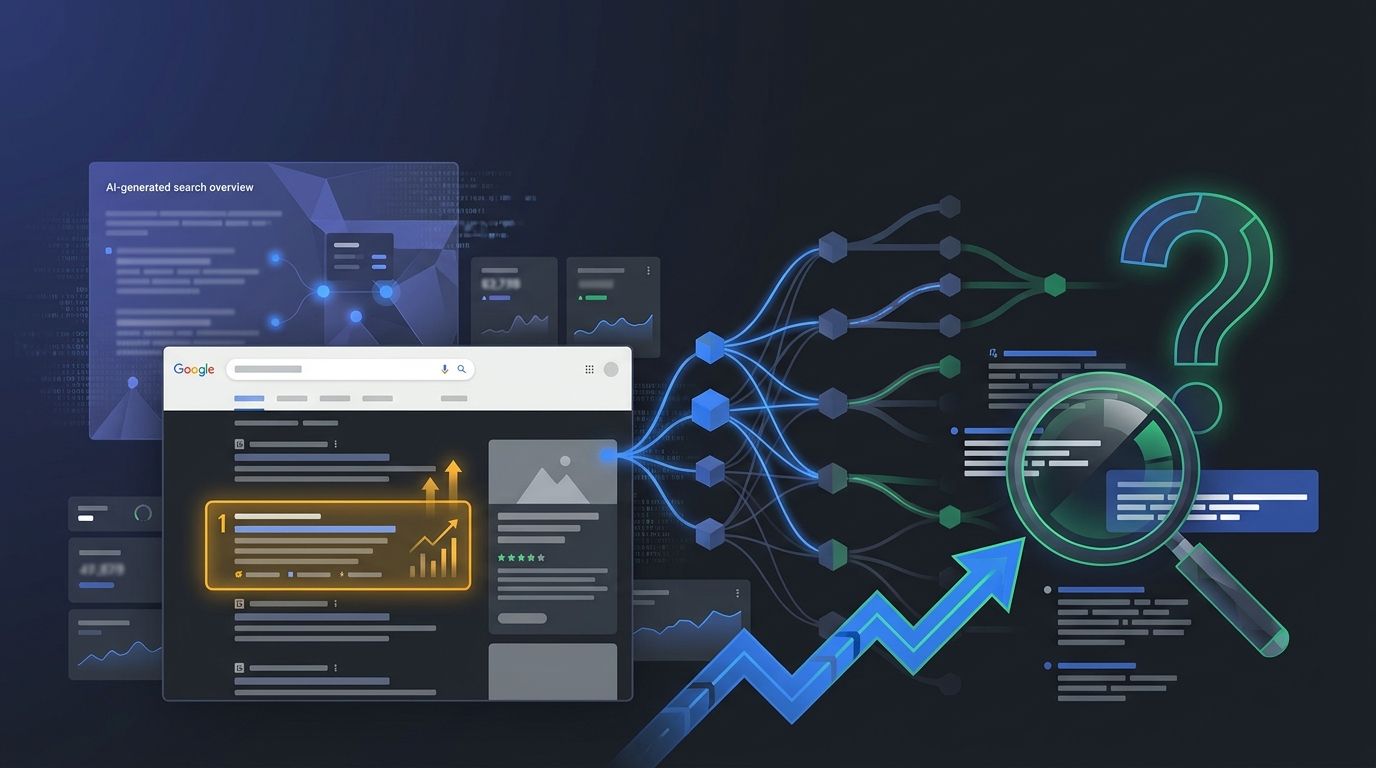
Brands Ranking #1 on Google Missing 62% of AI Overview Citations, Adweek Analysis Shows
Brands holding first-page Google rankings are absent from 62% of citations in AI-generated search answers, according to a July 22 analysis by Adweek examining generative engine optimization adoption patterns, as only 38% of pages cited in Google's AI Overviews come from URLs in the top ten tradition
Explore more topics