
AI Overviews Now Trigger on 48% of Google Searches, Slashing Organic CTR Up to 61%
AI Overviews now appear on 48 percent of all Google search queries—a 58 percent increase over the past three months—and zero-click searches have climbed to 83 percent on queries that trigger the feature, according to data published by Quasa on May 24. The shift has driven organic click-through rate
AI Overviews Now Trigger on 48% of Google Searches, Slashing Organic CTR Up to 61%
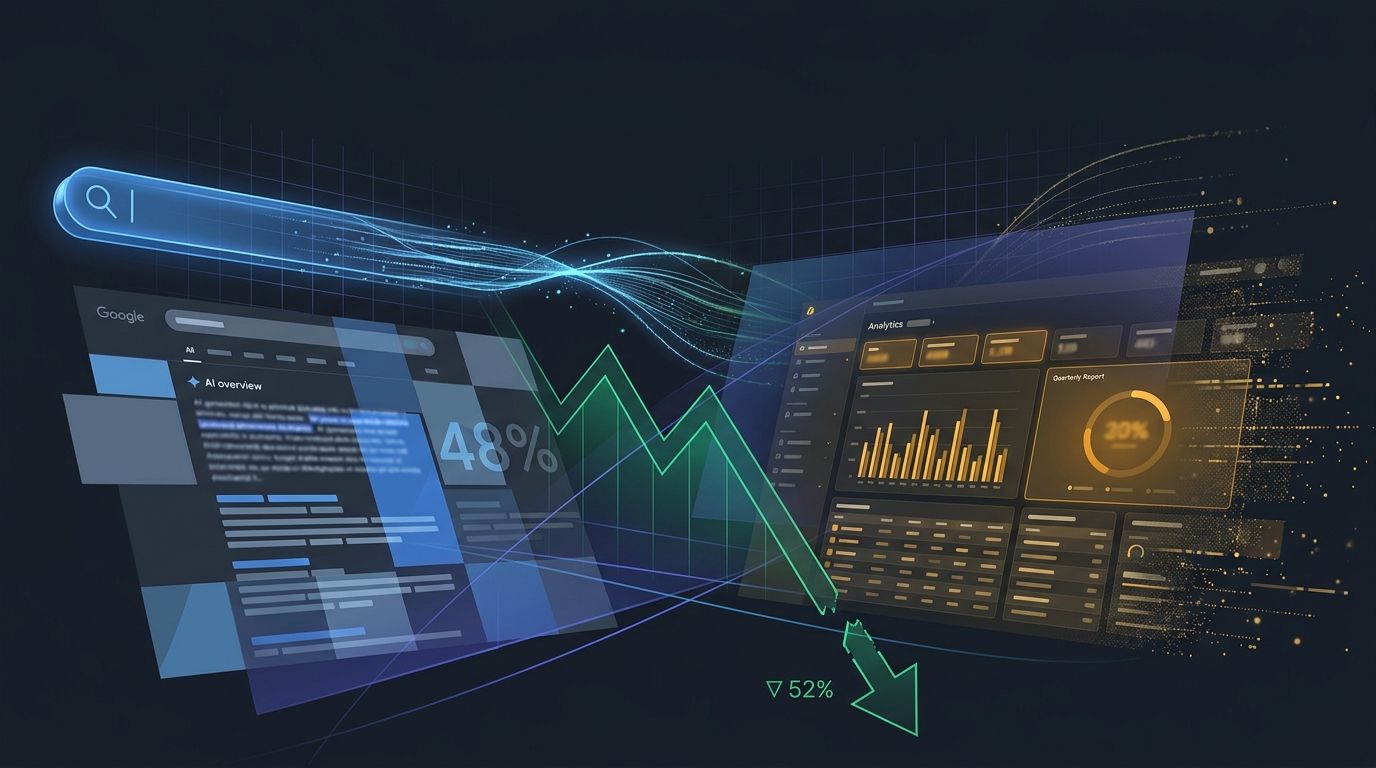
AI Overviews now appear on 48 percent of all Google search queries—a 58 percent increase over the past three months—and zero-click searches have climbed to 83 percent on queries that trigger the feature, according to data published by Quasa on May 24. The shift has driven organic click-through rate declines of up to 61 percent for traditional results positioned below AI-generated summaries, with publishers reporting sustained traffic losses of 26 to 55 percent over the 12 to 18 months since AI Overviews expanded.
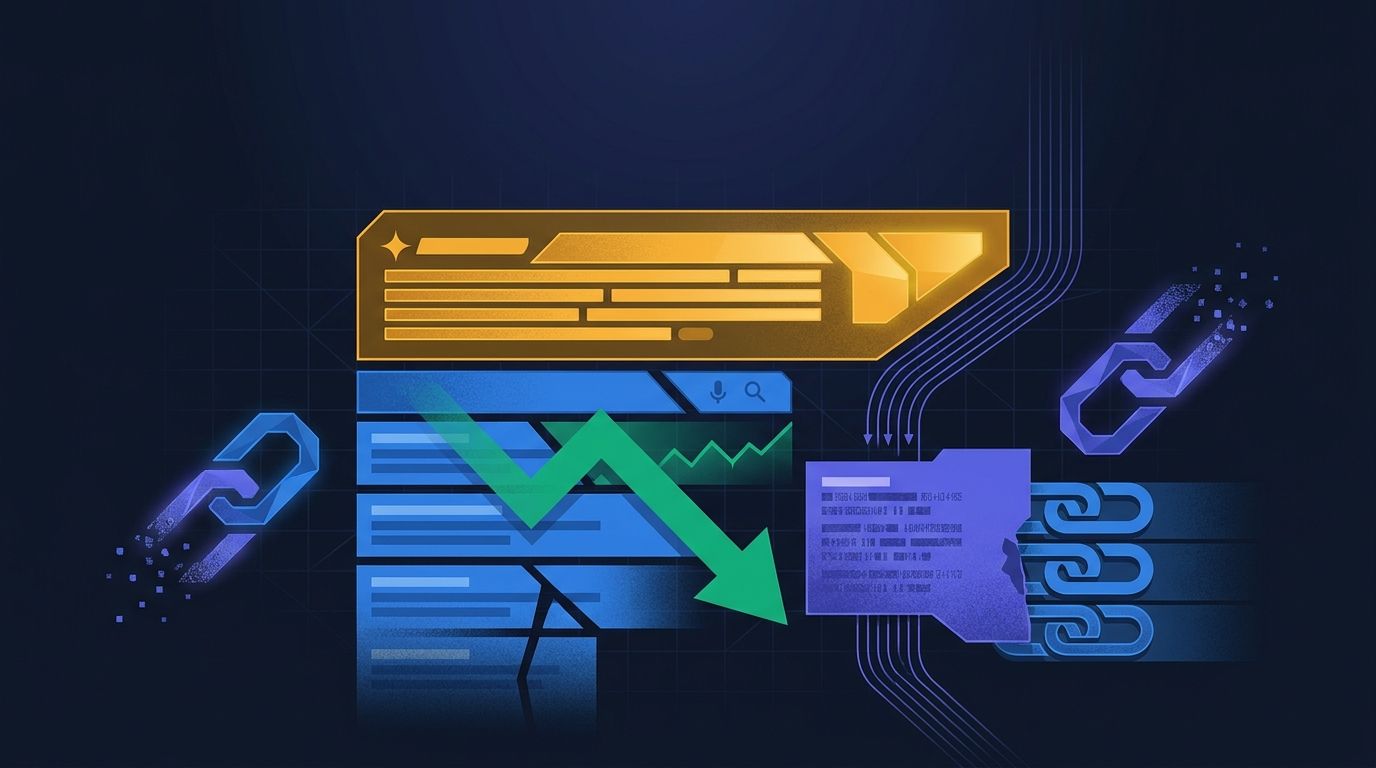
Viacheslav Vasipenok, author of the Quasa analysis, documented a commercial query—"how to integrate email sender to stripe"—where the page ranking at organic position four appears below an AI Overview, sponsored results, a video carousel, additional ads, a "people also ask" section, documentation links, and community posts. "The #4 result might as well be on page 3 of the old Google," Vasipenok wrote in the report.
Measured Traffic Impact Across Publisher Sites
Seer Interactive measured a 61 percent drop in organic click-through rates for results appearing beneath AI Overviews, while Ahrefs reported a 34.5 percent CTR decline specifically for position-one listings when AI summaries display above them. Zero-click searches—queries resolved without a user leaving Google—now account for 80 to 85 percent of all searches overall, according to the analysis, rising to 83 percent on queries with AI Overviews and 93 percent when AI Mode activates.
Google's own traffic remains stable despite the redistribution of clicks, with Similarweb data showing roughly 10 percent cumulative growth in visits to the search engine from 2022 through 2026. The platform retains users within its ecosystem by delivering synthesized answers rather than directing traffic outbound to publisher sites.
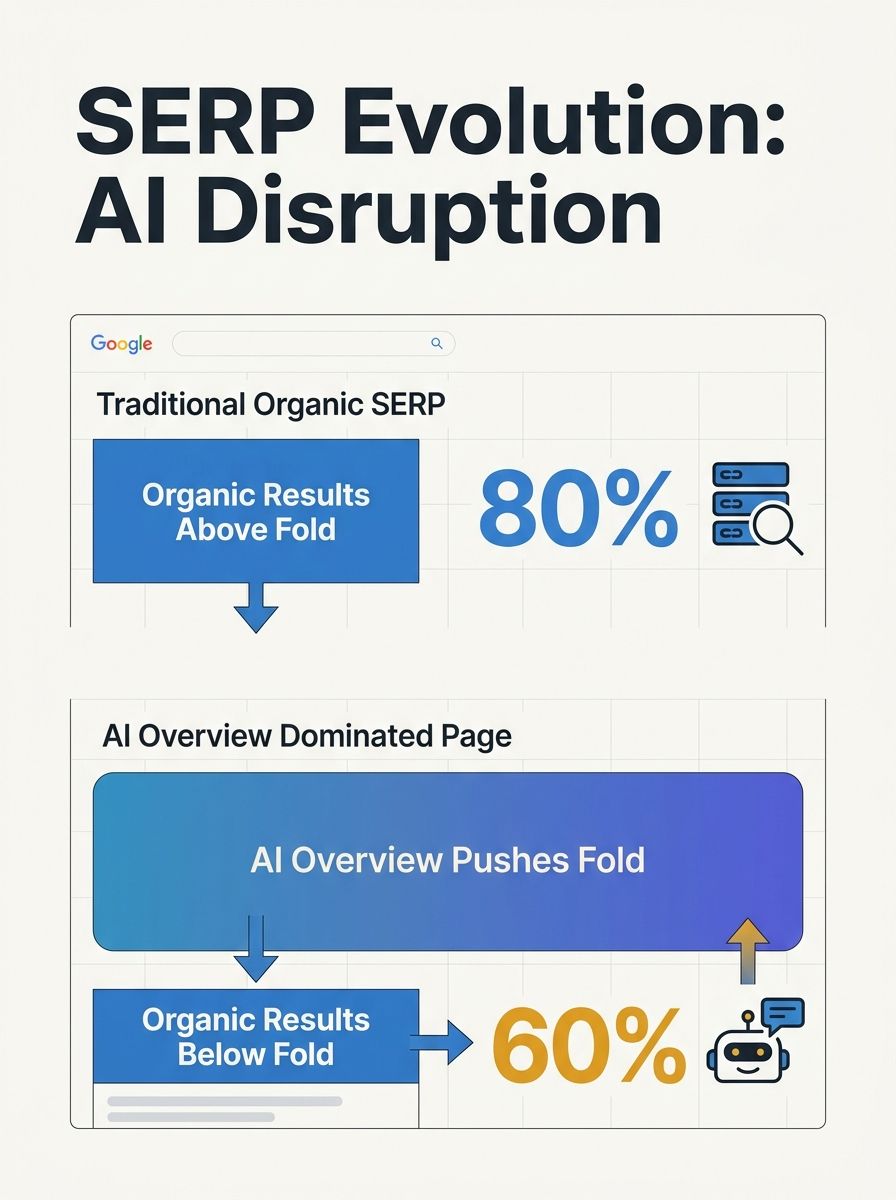
Publishers in informational and commercial verticals have reported traffic declines ranging from 26 to 55 percent in the 12 to 18 months following AI Overview expansion, the Quasa report states. The mechanism differs from algorithmic ranking changes: pages retain their numerical positions in search results but lose visibility as new interface elements occupy the viewable area above the fold.
Shift From Blue-Link Rankings to AI Citation Strategy
Traditional SEO strategies centered on ranking in positions one through ten delivered predictable traffic and revenue for 15 years, Vasipenok noted. That model collapses when position four appears only after users scroll past multiple screen heights of AI-generated content, ads, and rich features.
The replacement strategy requires three adjustments, according to the analysis: securing citation within the AI Overview itself, owning sources Google's AI algorithms prioritize (brand authority, freshness, structured data, original research), and diversifying traffic channels beyond organic search through email lists, communities, video platforms, and paid acquisition.
Google's March 2026 redesign around AI agents accelerated the interface transformation, while the company responded to "SEO is dead" claims following its May I/O keynote by emphasizing the economic incentive to maintain publisher visibility. The data published by Quasa directly measures the gap between Google's stated commitment and observed traffic patterns.
Answer Engine Optimization Replaces Rank-Focused Tactics
Sites building unified search strategies that integrate AEO without cannibalizing traditional SEO position content to serve both AI-generated summaries and residual click-through traffic. Structured data, topical authority signals, and citation-worthy content formats increase the probability of inclusion in AI Overviews, which function as the new top-of-funnel for organic visibility.
"The screenshot you're looking at isn't an outlier. It's the new normal," Vasipenov wrote. "Your page can be #4 on Google and still be completely invisible."
The report does not dispute Google's user growth or search volume; it documents the platform's retention of query resolution within its own properties rather than distributing clicks to external publishers as the previous interface model did.
Why This Matters Now
The 48 percent AI Overview deployment rate represents an inflection point where optimizing for traditional SERP positions no longer guarantees traffic, even for commercial queries with clear transactional intent. SEO specialists and digital agencies managing client expectations must recalibrate performance forecasts to account for zero-click rates approaching 85 percent and CTR declines exceeding 60 percent on AI-dominated result pages.
The shift forces immediate tactical changes: prioritize citation within AI summaries over ranking position, invest in brand and authority signals that AI algorithms surface as sources, and allocate budget to owned channels (email, community, video) that bypass search dependency entirely. Sites relying on informational content to drive top-of-funnel traffic face the steepest losses, while transactional and navigational queries retain marginally higher click-through rates.
For marketing managers defending organic channel performance in 2026 budget cycles, the Quasa data provides quantified evidence that traffic declines stem from interface changes rather than ranking losses or content quality issues—a critical distinction when stakeholders question SEO investment ROI against stable or improving keyword positions.
Alex Chen
Alex Chen is a digital marketing strategist with over 8 years of experience helping enterprise brands and agencies scale their online presence through data-driven campaigns. He has led marketing teams at two successful SaaS startups and specializes in conversion optimization and multi-channel attribution modeling. Alex combines technical expertise with strategic thinking to deliver actionable insights for marketing professionals looking to improve their ROI.
Related Articles
Ranking #1 on Google Now Delivers 58% Fewer Clicks Than It Used To, Gravitate Analysis Finds
First-position organic search results on Google now generate 58% fewer clicks when AI Overviews appear on the page compared to traditional search results, according to an analysis released July 9 by Gravitate, a Vancouver-based digital marketing agency.
Marketing Teams Report Organic Traffic as Primary KPI Despite 48% AI Overview Coverage and 68% Zero-Click Search Rate
Marketing teams continue to structure quarterly search performance reports around organic traffic and click-through metrics even as Google's AI Overviews now generate answers for 48 percent of all queries without requiring users to click any result, according to June 2026 research published by Spark

Google's May 2026 Search Redesign Cuts Publisher Traffic by 70% to 89% as AI Answers Replace Click-Through Results
Google announced the largest redesign of its search interface in 25 years at its May 2026 developer conference, introducing a conversational search box that accepts text, images, video, and file uploads while deploying automated information agents that monitor topics and push updates without user qu
Explore more topics