
Brands Ranking #1 on Google Missing 62% of AI Overview Citations, Adweek Analysis Shows
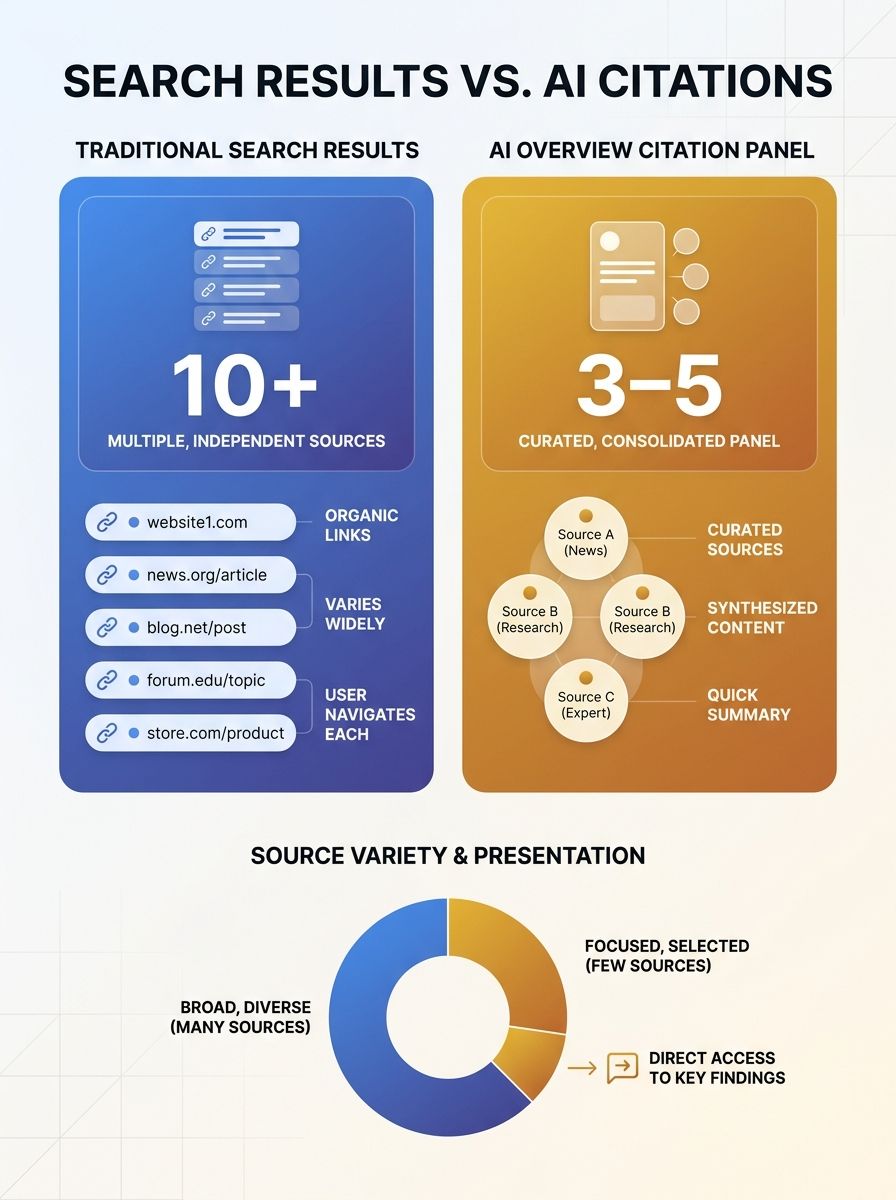
Brands holding first-page Google rankings are absent from 62% of citations in AI-generated search answers, according to a July 22 analysis by Adweek examining generative engine optimization adoption patterns, as only 38% of pages cited in Google's AI Overviews come from URLs in the top ten tradition
Brands Ranking #1 on Google Missing 62% of AI Overview Citations, Adweek Analysis Shows
Brands holding first-page Google rankings are absent from 62% of citations in AI-generated search answers, according to a July 22 analysis by Adweek examining generative engine optimization adoption patterns, as only 38% of pages cited in Google's AI Overviews come from URLs in the top ten traditional search results.
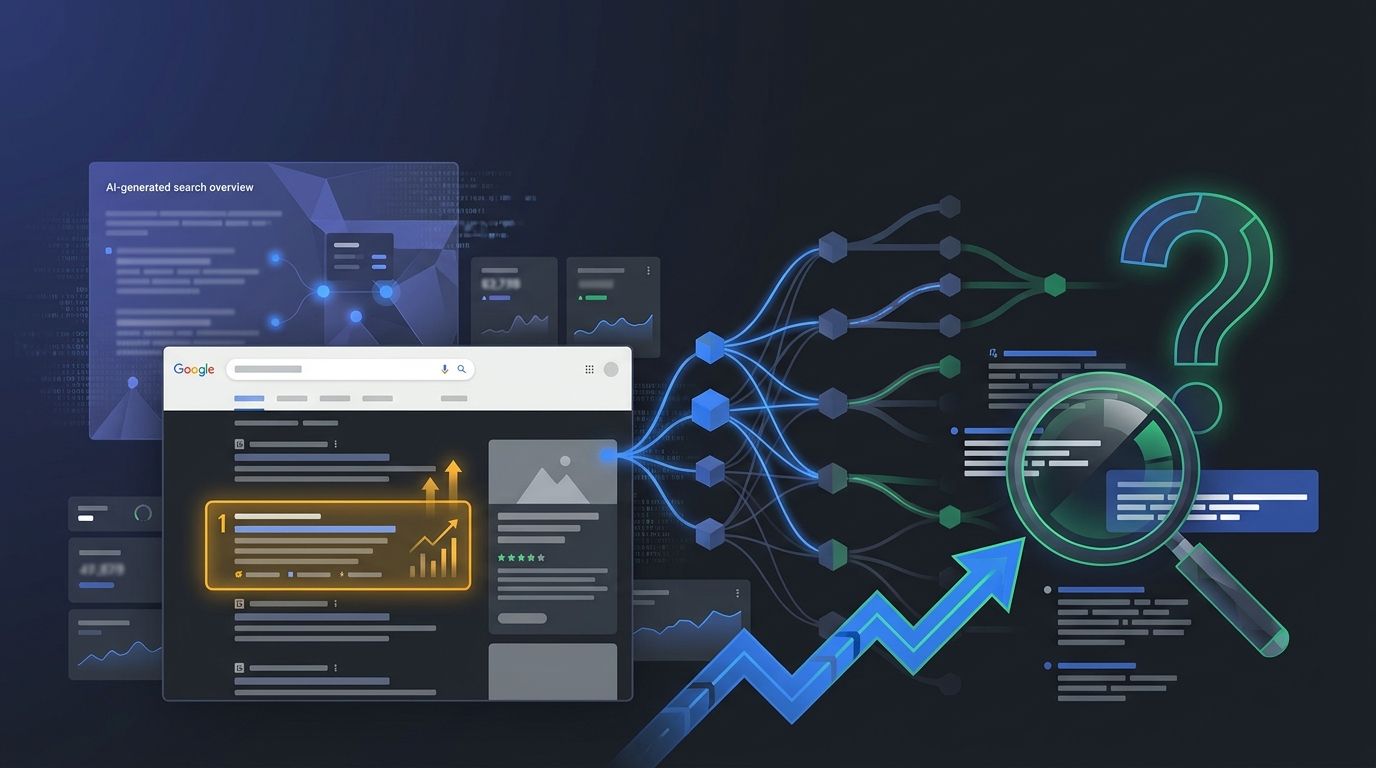
The gap reveals a structural shift in how search engines surface information. A brand can rank number one in conventional blue-link results yet remain invisible to users querying Google's Gemini 3-powered AI Overviews or ChatGPT, according to the Adweek report. Marketing teams tracking only conventional SEO metrics "have visibility into less than a tenth of the sources AI uses to describe their brands," the analysis states.
Research from IIT Delhi and Princeton University found that content optimized for generative engine optimization—incorporating authoritative citations and statistics—increases visibility in AI responses by up to 40%, according to the study cited in the report. The technique centers on structuring content for large language model ingestion rather than traditional keyword targeting.
Traditional SEO Rankings No Longer Guarantee AI Visibility
The 38% overlap between Google's top ten traditional results and AI Overview citations marks a departure from decades of search behavior, where first-page rankings directly correlated with discoverability. Marketers previously relied on SEO techniques that aligned content with keywords and search intent, achieving predictable click-through rates for high-ranking pages.
AI-powered search tools now synthesize answers from broader source pools, bypassing conventional ranking hierarchies. Users receive detailed responses without clicking through to brand websites, shifting the visibility challenge from driving clicks to securing inclusion in synthesized answers. The shift has coincided with declining organic search traffic that marketers began observing as large language models gained adoption, according to the report.
"The work your brand does to get noticed online isn't solely aimed at getting consumers to click a URL. You're trying to join the Q&A," the Adweek analysis states. The conversational nature of AI search requires content structured as knowledge fragments that LLMs can extract and cite, rather than pages optimized for keyword density.
The Princeton and IIT Delhi research quantified the impact of specific GEO tactics, finding that authoritative citations and embedded statistics delivered the 40% visibility increase. The techniques mirror established answer engine optimization strategies that structure content for direct extraction, though adoption remains uneven across marketing organizations.
The Measurement Gap Between Strategy and Execution
Ninety-four percent of marketing leaders plan to increase generative engine optimization investment in 2026, yet the majority of organizations still allocate no budget to GEO measurement tools, according to the Adweek report. The investment gap leaves teams unable to track whether their brands appear regularly, correctly, and favorably in AI-generated responses.
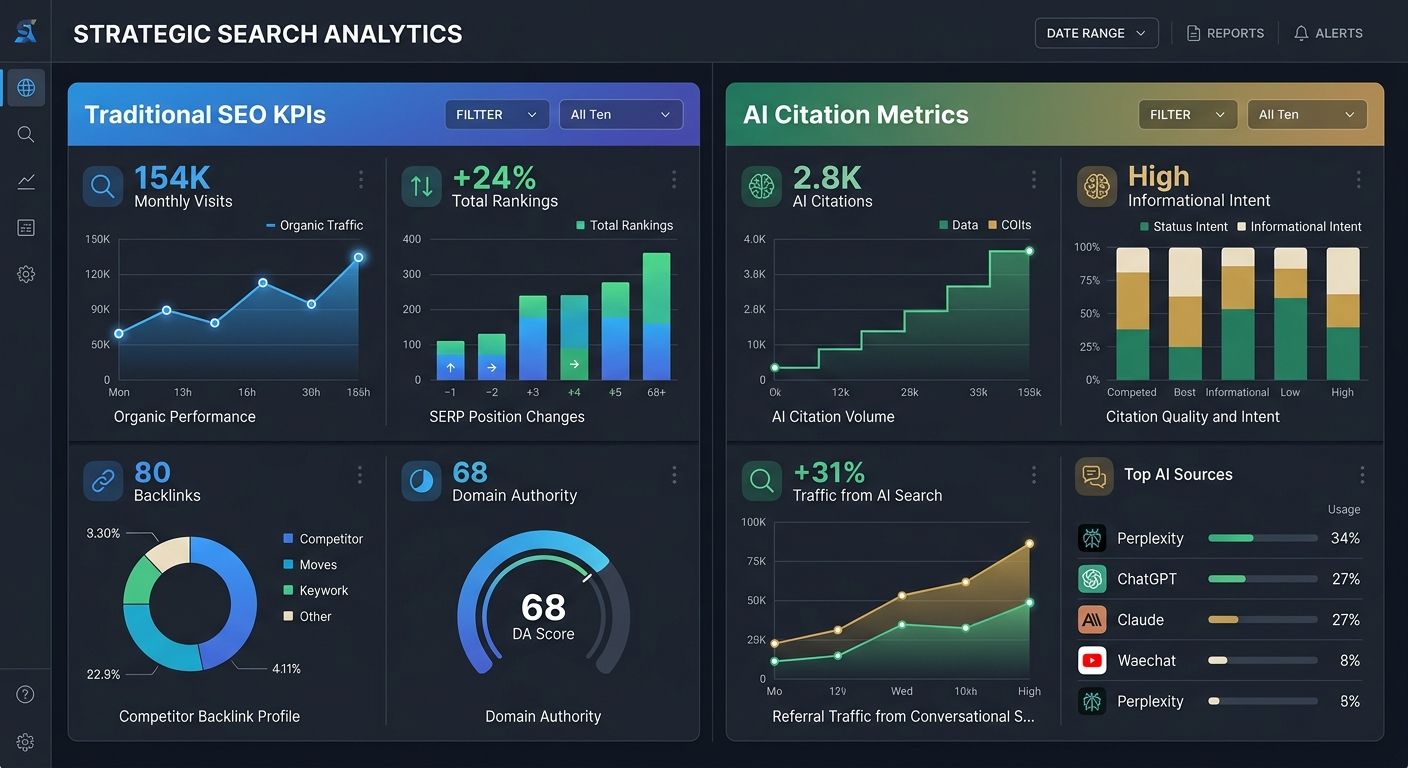
Traditional SEO dashboards measure rankings, impressions, and click volumes but lack instrumentation for AI citation frequency, sentiment in synthesized answers, or share of voice across ChatGPT, Perplexity, and Google AI Overviews. Marketing teams adapting content for GEO adoption operate without closed-loop feedback on which changes drive citation lifts.
The measurement challenge extends beyond tracking mention frequency. Brands must monitor whether AI systems accurately represent their offerings, competitive positioning, and pricing when answering user queries. A product ranked first in traditional search but described inaccurately in an AI answer loses conversion opportunity without triggering alerts in standard analytics platforms, creating a visibility blind spot in marketing attribution.
The Adweek analysis recommends establishing specific GEO objectives similar to traditional SEO goal-setting—such as increasing brand share of AI-generated mentions by a defined percentage over 90 days. Long-term targets should include lifting AI-assisted conversions and quality lead volume for B2B organizations, requiring measurement infrastructure that spans both traditional and AI-mediated search channels.
The Princeton/IIT Delhi research provides a tactical baseline: content incorporating structured citations and statistical evidence achieves 40% higher visibility, offering a quantifiable return for teams building unified SEO strategies across Google and AI engines. Implementation requires content teams to shift from keyword-centric production to knowledge-graph structuring that large language models can reliably extract and attribute.
The Takeaway
The disconnection between first-page Google rankings and AI Overview citations signals a fundamental restructuring of search visibility, not a temporary platform adjustment. Marketing organizations tracking only traditional SEO metrics are measuring a shrinking share of total search volume as AI-powered tools capture query traffic without sending click-throughs. The 38% overlap figure quantifies the scale of the blind spot—brands can dominate conventional rankings while remaining absent from the majority of AI-generated answers that increasingly define consumer research paths.
The measurement void creates an execution risk despite widespread strategic intent. Ninety-four percent of marketing leaders planning increased GEO investment without corresponding measurement capacity cannot validate which content changes drive citation lifts or whether their brands appear accurately in synthesized answers. The 40% visibility increase documented in the Princeton/IIT Delhi research provides a benchmark, but only for teams instrumenting both traditional and AI-mediated search channels in their analytics stack.
Investment priorities should focus first on closing the measurement gap—establishing baseline visibility across AI platforms before scaling content production. Teams already optimizing for AI-generated answer visibility have established the playbook; the challenge now is adapting attribution models to track conversions that never generate a traditional click event.
Alex Chen
Alex Chen is a digital marketing strategist with over 8 years of experience helping enterprise brands and agencies scale their online presence through data-driven campaigns. He has led marketing teams at two successful SaaS startups and specializes in conversion optimization and multi-channel attribution modeling. Alex combines technical expertise with strategic thinking to deliver actionable insights for marketing professionals looking to improve their ROI.
Related Articles

Brands Ranking #1 on Google Appear in Only 31% of AI Search Responses, NP Digital Study Finds
Brands holding the top position in Google search results appear in AI-powered search responses just 31% of the time, according to a March 2026 experiment conducted by digital marketing agency NP Digital that tested 500 commercial keywords across five industries against 4,308 long-tail AI prompts. Th
Seventy-Three Percent of Marketers Now Prioritize AI-Generated Answer Optimization as Google Query Volume Reaches Record High
Seventy-three percent of marketers now prioritize content designed to appear in AI-generated search answers, according to a July 21 analysis by SEO Essex citing 2026 Interactive Advertising Bureau data, as Google search query volume reaches an all-time high despite declining click-through rates on t

Google Publishes First Official Guide for AI Search Visibility as Agencies Double Down on Generative Engine Optimization
Google released its first official guidance for optimizing content in AI-generated search features in mid-May 2026, marking the company's most explicit acknowledgment that generative engine optimization has become a distinct practice alongside traditional search engine optimization, according to doc
Explore more topics