
Google Says Canonical Re-Evaluation Can Take Up to Two Weeks After Content Fixes
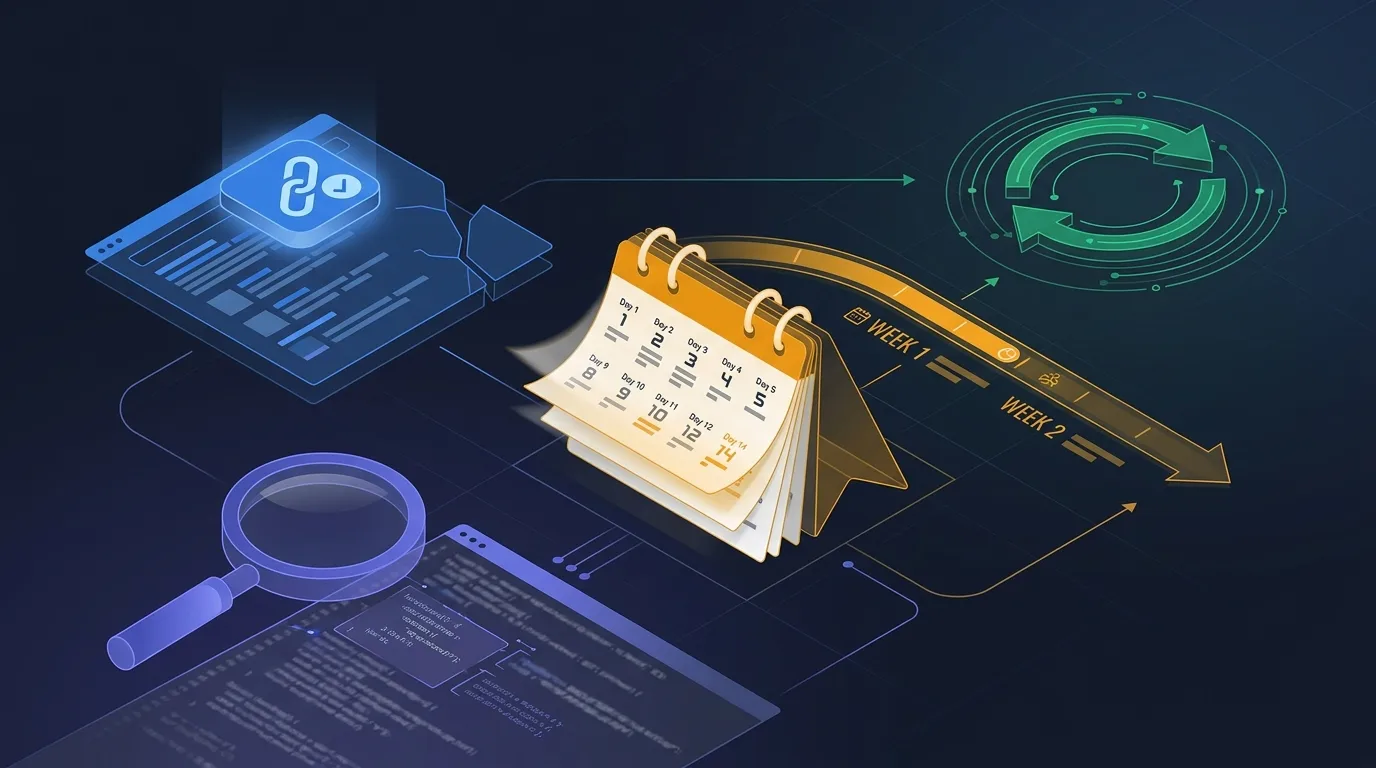
Google updated its canonicalization troubleshooting guide to specify that pages may remain in duplicate clusters for up to two weeks after content fixes, according to documentation published on Google Search Central.
Google Says Canonical Re-Evaluation Can Take Up to Two Weeks After Content Fixes
Google updated its canonicalization troubleshooting guide to specify that pages may remain in duplicate clusters for up to two weeks after content fixes, according to documentation published on Google Search Central. The timeline applies to content differentiation fixes rather than technical canonical tag or redirect corrections.
What the Two-Week Window Covers
The updated guide addresses scenarios where Google groups multiple pages into a duplicate cluster because it perceives them to have the same or very similar main content. When pages cluster, Google selects one URL as the canonical version and marks others with a "Duplicate, Google chose a different canonical" status in Search Console.
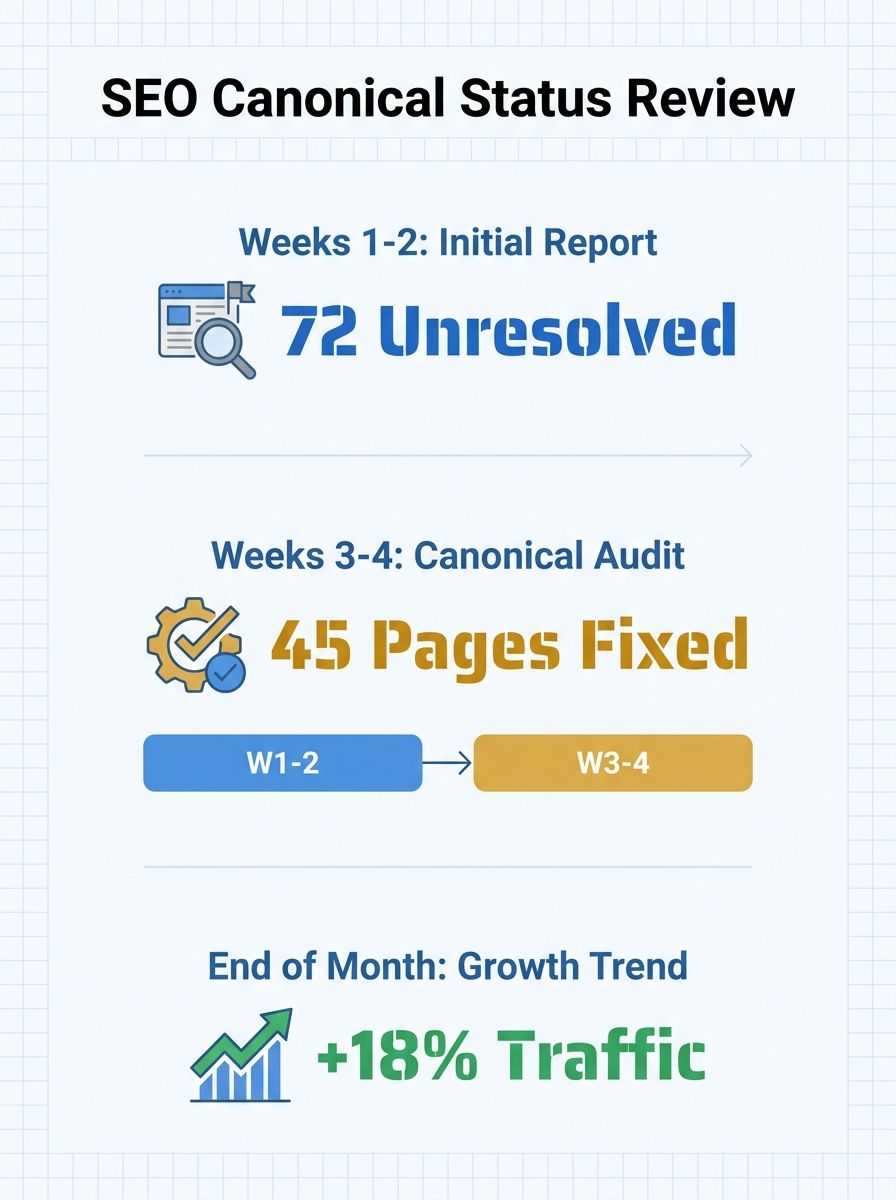
The two-week re-evaluation window begins after webmasters edit page content to make clustered URLs sufficiently distinct. The guide specifies this timeline applies only when the fix involves changing content itself, not when implementing redirects, correcting rel="canonical" tags, or resolving server misconfigurations, according to the Search Central documentation.
Google's guide recommends checking the Google-selected canonical in URL Inspection before troubleshooting and evaluating whether the selected version serves searchers better than the preferred alternative.
Timing Varies Based on Content Distinctiveness
Pages can separate from duplicate clusters faster than two weeks when the content difference between updated pages and other cluster members is more pronounced, according to the guide. Google provides no specific threshold for what constitutes "sufficiently distinct" content but indicates that greater differentiation accelerates the re-evaluation process.
The documentation notes that webmasters can request re-indexing through the Request Indexing feature in Search Console after implementing content fixes. Google advises reserving this option for the most critical URLs rather than submitting all updated pages, following the platform's existing crawl priority and indexation hierarchy guidance.
How This Fits Google's Evolving Canonical Guidance
Google revised its canonical documentation multiple times in recent months, including updates to JavaScript implementation guidance. The platform updated JavaScript documentation to cover injecting canonical tags after sharing canonical advice specific to JavaScript-rendered sites.
The two-week timeline represents Google's first explicit public statement about re-evaluation duration for content-based canonical fixes. Previous documentation did not specify waiting periods, leaving SEO specialists uncertain whether to wait for re-crawling or immediately investigate alternative technical causes when "Duplicate, Google chose a different canonical" statuses persisted.
The guide distinguishes content fixes from technical issues that require different troubleshooting paths. Technical SEO triage frameworks typically prioritize redirect and canonical tag errors ahead of content differentiation because technical fixes resolve faster and prevent ongoing crawl budget waste.
Implementation Path for Content Fixes
Webmasters encountering duplicate canonical issues should verify the issue stems from content similarity rather than technical configuration before implementing content changes. The Search Central guide lists separate troubleshooting paths for redirect misconfigurations, incorrect canonical tag implementation, and server-level issues that produce duplicate status warnings.
After confirming content similarity caused the clustering, the fix involves editing page text, images, structured data, or other on-page elements to create clear differentiation. The guide does not specify minimum content change thresholds but indicates that minor text variations may prove insufficient for Google to re-evaluate clustering decisions.
Once content updates deploy, the two-week window begins regardless of whether webmasters submit a re-indexing request. Request Indexing may accelerate re-evaluation but does not guarantee faster processing, according to Search Console documentation.
Why This Matters Now
The explicit two-week timeline gives SEO teams concrete expectations when managing duplicate content remediation. Previously, specialists monitoring "Duplicate, Google chose a different canonical" statuses lacked clarity on whether persistent warnings after content updates indicated unsuccessful fixes or simply slow re-processing. Teams can now wait the full fourteen days before escalating to technical investigations or more aggressive content differentiation.
The guidance also clarifies that content-based canonicalization differs fundamentally from technical canonical issues, requiring different diagnostic and remediation approaches. SEO workflows that treat all canonical warnings identically waste resources applying technical fixes to content problems and vice versa.
For sites experiencing indexation challenges, understanding that content-fix canonical re-evaluation takes up to two weeks helps separate clustering delays from other indexing bottlenecks like crawl budget constraints or robots.txt blocking. Teams can allocate diagnostic time more efficiently by ruling out known waiting periods before investigating infrastructure-level causes.

Sarah Chen
SEO strategist and web analytics expert with over 10 years of experience helping businesses improve their organic search visibility. Sarah covers keyword tracking, site audits, and data-driven growth strategies.
Related Articles
The Crawl Budget Recovery Protocol: Diagnosing Why Your Best Content Isn't Getting Indexed
Content problems are the primary driver behind Google Search Console's "Crawled – currently not indexed" status, according to analysis by Onely. Googlebot visited your page, evaluated it, and deliberately chose not to add it to the index.
The Technical SEO Triage Framework: When Your Site Has Multiple Issues, What to Fix First
Canonical tag errors across a single page template can cascade into 8,000 indexing failures, yet standard audit tools flag each duplicate URL as a separate issue with identical severity. The fix order matters more than the fix count.
Google's August 2026 Algorithm Update Triggers Ranking Volatility Across 45% of Tracked Websites
Google's August 2026 algorithm update triggered ranking volatility across 45% of tracked websites beginning August 8, 2026, according to SEO Vendor's analysis published the same day, with sites demonstrating weak originality and thin evidence reporting steeper traffic declines than pages offering cl
Explore more topics