
Google Assigns Two-Week Rollout to September 2026 Spam Update, Adds Image Search Filter to Search Console
Google began rolling out its September 2026 spam update on September 24 with a two-week completion window, the longest rollout timeframe the company has assigned to any spam update this year, according to Search Engine Journal. The update applies globally across all languages.

Google Assigns Two-Week Rollout to September 2026 Spam Update, Adds Image Search Filter to Search Console
Google began rolling out its September 2026 spam update on September 24 with a two-week completion window, the longest rollout timeframe the company has assigned to any spam update this year, according to Search Engine Journal. The update applies globally across all languages.
The extended timeline contrasts sharply with Google's previous three spam updates in 2026, each of which completed rollout within 2 days and 16 hours despite being assigned "a few days" as the initial estimate. The September update started at 9:15 a.m. Pacific Daylight Time and marks the fourth spam-focused algorithm change this year, following updates in March, June, and August.
Google's Search Status Dashboard confirmed the global deployment but did not specify which spam tactics the update targets. The company directs site owners affected by spam updates to review its spam policies documentation.
Extended Rollout Window Marks Departure from 2026 Pattern
The two-week rollout window means ranking or traffic changes observed in the first several days may not represent the update's full impact. Site owners monitoring Search Console performance data should timestamp any fluctuations against the September 24 start date and anticipate additional movement through early October.
Google has not explained why this update requires a longer deployment period than the March, June, or August releases. The pattern break suggests either broader scope or more complex implementation compared to earlier 2026 spam updates.
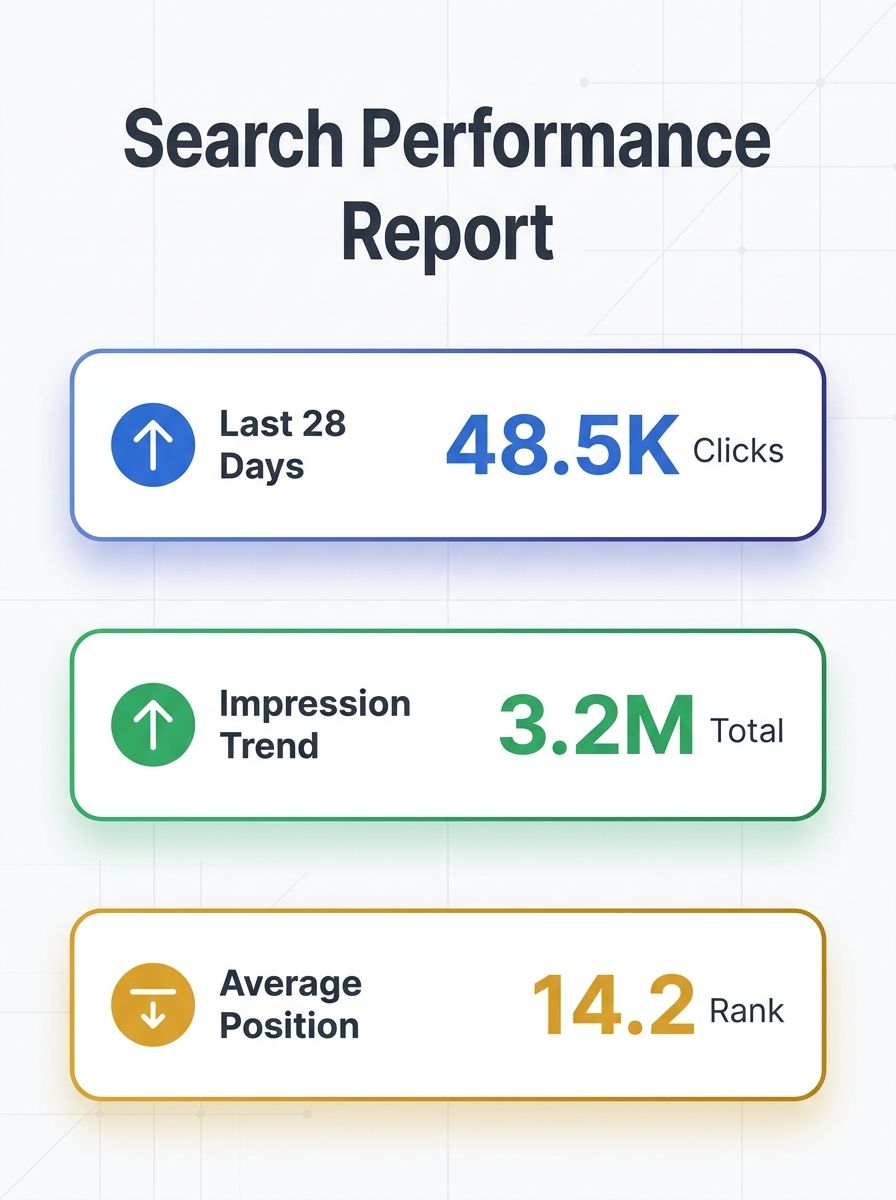
Search Console Adds Image Search Performance Data
Google is simultaneously rolling out a multimodal filter in Search Console's Performance report that isolates traffic from image-based searches. The filter covers Google Lens, Circle to Search on Android, image uploads to Google Search, and Chrome's right-click "Search this image" feature, according to Google's announcement.
The new option appears under the Web search type and deploys globally. Query data remains unavailable for these searches because "multimodal searches mostly use images rather than text," Google's dimensions help page states. The company confirmed that multimodal reporting is also being added to the generative AI performance report.
E-commerce sites and other properties with product photography gain page-level visibility into which URLs receive traffic when users search by image rather than text. The filter enables comparison of multimodal traffic against traditional text-search performance by country and device, though individual pages will not show which specific image a user submitted.
The addition builds on Google's existing Search Console reporting infrastructure, which already tracks AI Overview impressions and other generative search metrics.
Publisher Traffic Data Shows Accelerating Search Decline
Separate data from Chartbeat's 2026 Publisher Playbook shows Google Search traffic to its publisher network fell 40.2 percent year-over-year from July 2025 to July 2026, compared to a 21.9 percent decline the previous year. Google Discover traffic dropped 34.3 percent year-over-year after a 6.6 percent decline in the prior period.
The publisher-focused network saw corresponding growth in direct, internal, and dark social traffic shares during the same timeframe. Chartbeat did not specify whether the figures measure absolute pageviews or each channel's proportional share of total pageviews.
A preprint field experiment from University of Pennsylvania and Northeastern University researchers found that forcing 1,100 U.S. participants to use Google's AI Mode reduced click-throughs to external websites by 18.8 percentage points compared to standard Google Search during a seven-day test period. Participants also reported lower trust and satisfaction scores when required to use AI Mode.
Marketing Implications
SEO teams should baseline current Search Console traffic before October 8 to isolate the September spam update's impact from seasonal fluctuations or other algorithm changes. The two-week rollout window means performance data from the first week alone will not capture the update's complete effect on rankings or organic visibility.
The multimodal search filter gives product-focused sites a new performance dimension to audit. Teams managing visual content should segment multimodal impressions and clicks by landing page to identify which product photography drives discovery through image search versus traditional text queries. Pages with high multimodal engagement but low text-search traffic may indicate opportunities to strengthen on-page copy or schema markup.
Publisher-facing sites should compare their July 2025 to July 2026 Search and Discover performance against Chartbeat's 40.2 percent and 34.3 percent decline benchmarks, adjusting for vertical differences. The acceleration from prior-year declines reinforces the shift toward owned-channel distribution and direct audience relationships that reduce dependency on algorithm-mediated traffic.

Alex Chen
Alex Chen is a digital marketing strategist with over 8 years of experience helping enterprise brands and agencies scale their online presence through data-driven campaigns. He has led marketing teams at two successful SaaS startups and specializes in conversion optimization and multi-channel attribution modeling. Alex combines technical expertise with strategic thinking to deliver actionable insights for marketing professionals looking to improve their ROI.
Related Articles
Google March 2026 Core Update Shifted 79.5% of Top-Three Search Results, SE Ranking Data Shows
Nearly four in five URLs ranking in Google's top-three positions changed during the March 2026 Core Update, according to volatility data published by SE Ranking on June 7, 2026. The 79.5% shift rate marks the highest positional volatility Google has produced in years, exceeding the 66.8% movement re

Google Rolls Out June 2026 Spam Update Targeting Low-Quality Content and Manipulative SEO Tactics
Google launched its June 2026 Spam Update on June 24, 2026, deploying automated systems designed to reduce search rankings for websites that violate the company's spam policies, according to Advait Technology Labs. The global update affects all languages and regions and is expected to take several d

Google's August 2026 Algorithm Update Triggers Ranking Volatility Across 45% of Tracked Websites
Google's August 2026 algorithm update triggered ranking volatility across 45% of tracked websites beginning August 8, 2026, according to SEO Vendor's analysis published the same day, with sites demonstrating weak originality and thin evidence reporting steeper traffic declines than pages offering cl
Explore more topics