
SaaS SEO Consultancy Publishes Product Page Framework Targeting Demo Request Conversion Gap
SaaS product pages frequently rank well for category searches while failing to generate qualified demo requests, according to a framework published by ClickyOwl on September 6 that restructures page optimization around buyer job mapping rather than keyword density.

SaaS SEO Consultancy Publishes Product Page Framework Targeting Demo Request Conversion Gap
SaaS product pages frequently rank well for category searches while failing to generate qualified demo requests, according to a framework published by ClickyOwl on September 6 that restructures page optimization around buyer job mapping rather than keyword density. The methodology addresses what the firm identified as a persistent gap between search visibility and pipeline contribution in B2B software marketing.
The framework distinguishes between broad category queries that attract weak-fit traffic and narrower buyer-intent searches that signal active evaluation. "A product page should answer one commercial question well," the consultancy stated in the published guide. Pages targeting vague terms like "customer support software" typically underperform pages optimized for specific job-to-be-done phrases such as "customer support software for B2B SaaS teams."
ClickyOwl recommended matching page messaging across title tags, H1 headings, opening copy, feature sections, and calls to action to establish what it termed "message match", consistency that signals relevance to both search algorithms and arriving visitors. The firm cited security platform vendor risk assessment pages as an example, where product explanations should address evidence collection, review workflows, and reporting rather than generic security capabilities.
Three-Layer Optimization Model Addresses Traditional and AI-Driven Discovery
The framework organizes product page development around three parallel optimization disciplines: traditional SEO for organic search results, generative engine optimization (GEO) for AI discovery systems, and answer engine optimization (AEO) for direct answer extraction. ClickyOwl argued these disciplines overlap because all reward organized, evidence-backed content structures.
For GEO and AEO implementation, the firm prescribed question-led section headings followed by concise opening answers before detailed explanation. This format supports visitor scanning while giving AI systems clear interpretation paths. The methodology recommended covering onboarding time, data handling, integrations, user roles, pricing models, implementation support, and product limits through this question-answer architecture.
The consultancy emphasized verification evidence as increasingly valuable in generative answer environments. Named customer stories, documented security standards, live integration details, product documentation, and specific dates strengthen both human credibility assessment and machine interpretation, according to the framework. ClickyOwl warned against generic AI-written feature descriptions that could apply to any platform, stating clear terminology and original evidence differentiate pages in both traditional and AI-mediated discovery.
Conversion Path Selection Tied to Sales Motion Requirements
The framework distinguished between demo-request and free-trial conversion paths based on product characteristics rather than industry convention. Demo requests align with products requiring explanation, configuration, stakeholder approval, or sales-assisted setup, while self-serve tools perform better with trial or product tour primary actions.
ClickyOwl specified that effective demo CTAs communicate what prospects receive, who joins calls, and typical duration. The example provided contrasted "Book a 30-minute workflow review" against generic "Submit" buttons. The firm positioned clear next-step communication as foundational, stating a demo button cannot compensate for unclear product value propositions.
The methodology recommended establishing conversion context in the above-fold section through direct headlines naming outcomes and audiences, followed by brief mechanism explanations. Product images or workflow diagrams should support rather than carry the core message, according to the framework. The consultancy advised against carousels, vague headlines, and multiple competing buttons in opening sections.
Page Architecture Structured Around Buying Committee Questions
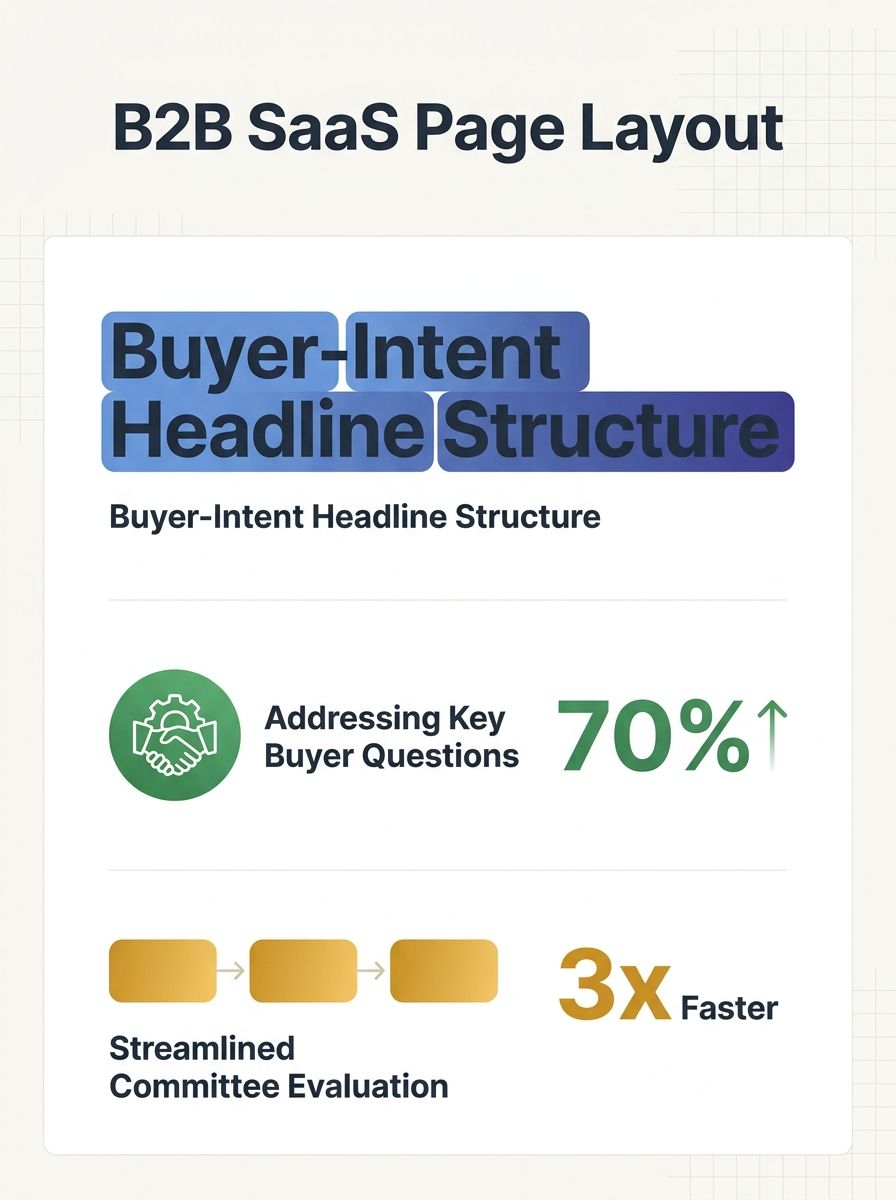
Beyond opening positioning, the framework organized mid-page content around five sequential questions buying committees typically ask: problem scope and audience fit, workflow operation, tool and data integrations, implementation requirements, and customer proof points. Feature lists should appear within this question structure rather than as standalone sections, the consultancy stated.
ClickyOwl positioned feature mentions as secondary to outcome explanation, arguing buyers request demos when dashboards help spot operational issues sooner, not because they saw "custom dashboards" listed. The firm recommended connecting product pages with supporting use-case, integration, comparison, and implementation pages to address narrower questions without extending single pages into comprehensive catalogs.
The framework's emphasis on buyer job identification before page outlining reflects broader shifts in search optimization practices addressing AI-driven discovery, where intent matching increasingly determines visibility across both traditional and generative search interfaces.
Marketing Implications
B2B marketing teams managing SaaS product page portfolios face a strategic choice: optimize for maximum search impression volume or align pages with specific buying jobs that convert into qualified pipeline. The ClickyOwl framework argues for the latter, positioning product pages as filtering mechanisms that should attract narrow, high-intent traffic rather than broad awareness visits.
The three-layer optimization model introduces operational complexity for teams accustomed to traditional keyword-density approaches. Implementing question-led content structures, verification evidence, and message consistency across page elements requires coordination between SEO specialists, product marketers, and content teams. Organizations with dozens of product pages may need to prioritize rollout based on current conversion performance and strategic product importance.
The framework's conversion-path guidance challenges the common practice of defaulting to demo requests across all B2B software categories. Marketing managers should audit whether their products genuinely require sales-assisted setup or whether trial barriers suppress evaluation volume. Mismatched conversion paths create unnecessary friction in either direction, forcing trials for complex enterprise tools or demanding demos for straightforward adoption creates abandonment at the conversion decision point.

Alex Chen
Alex Chen is a digital marketing strategist with over 8 years of experience helping enterprise brands and agencies scale their online presence through data-driven campaigns. He has led marketing teams at two successful SaaS startups and specializes in conversion optimization and multi-channel attribution modeling. Alex combines technical expertise with strategic thinking to deliver actionable insights for marketing professionals looking to improve their ROI.
Related Articles
The Search Intent Mismatch Audit: Why Your Content Ranks but Doesn't Convert
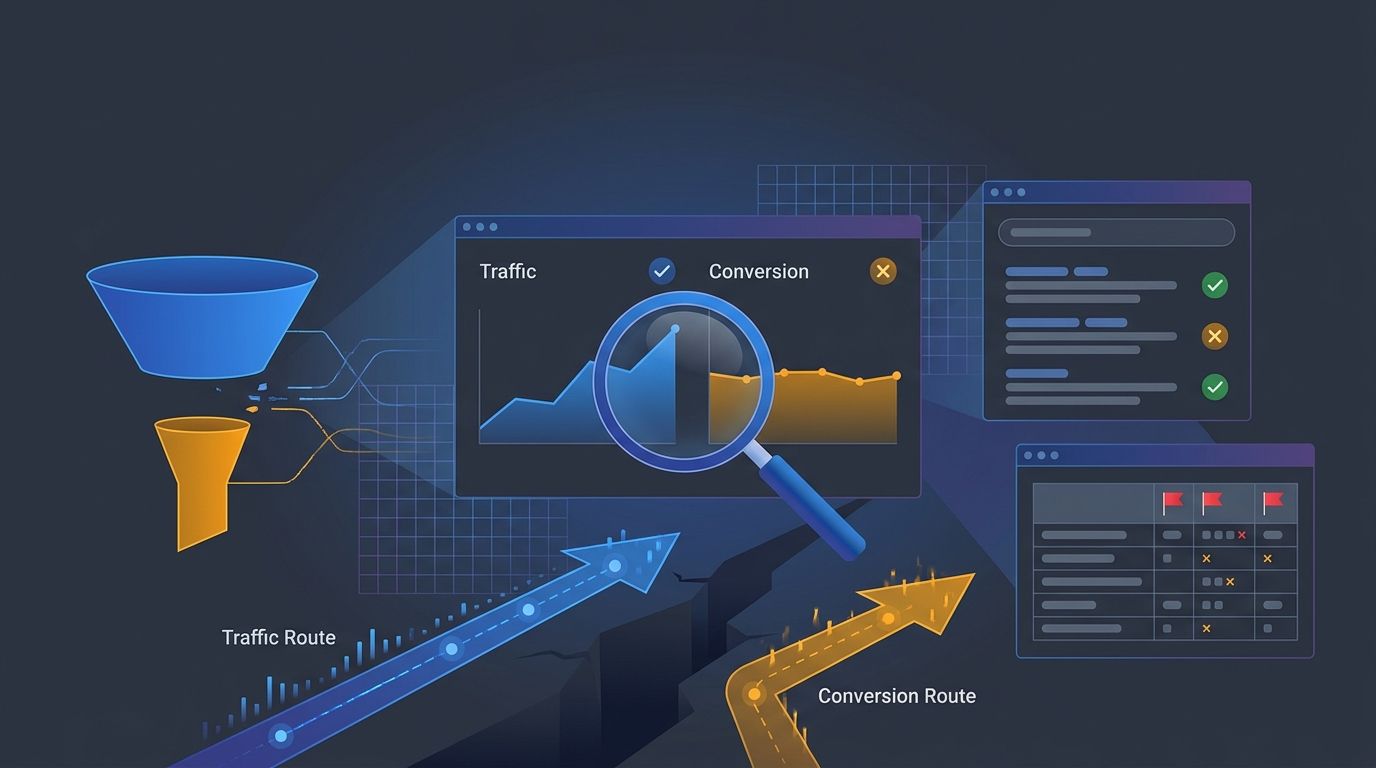
Pages that rank on page one but convert below 1% don't have a CRO problem. They have a content classification problem, where the page answers the wrong type of question for the person searching.
Local Marketing Analysis Identifies Conversion Gap Costing Service Businesses High-Intent Leads
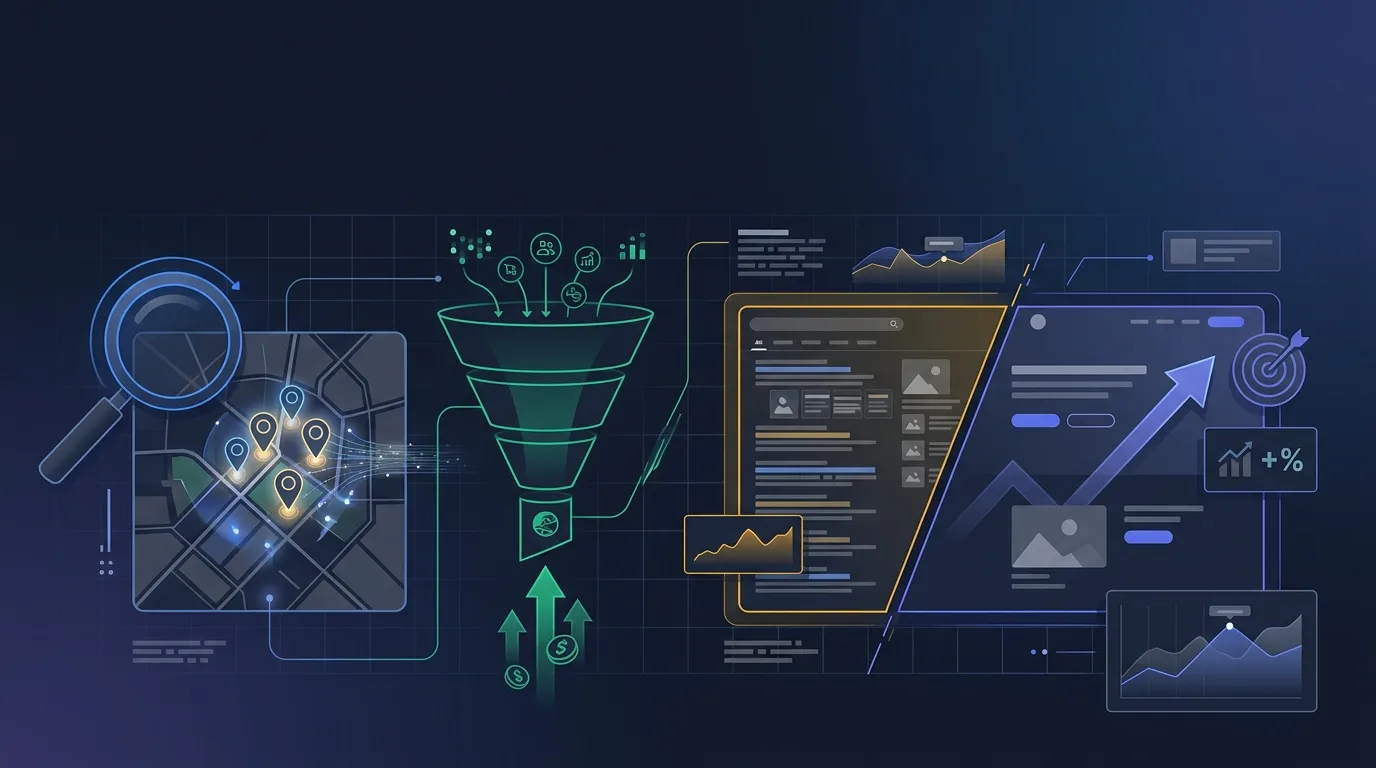
An analysis published June 12, 2026, by the Rockland County Times identifies a structural blind spot in local marketing programs: businesses optimize for map pack visibility but fail to build conversion systems for the high-intent traffic they generate, according to the publication's examination of

Website Speedy Publishes Ten-Tool Comparison Guide Categorizing CRO Platforms by Conversion Challenge Type
Website Speedy published a comparative analysis of ten conversion rate optimization platforms on July 17, categorizing tools by the specific conversion barriers they address rather than ranking them by popularity, according to the guide posted on the company's blog.
Explore more topics