
Multiple SEO Practitioners Converge on Argument That Fundamental SEO Practices Already Serve AI Search Optimization
Three SEO practitioners argued within days of each other that the industry's debate over naming AI search optimization—whether to call it GEO, AEO, or another acronym—obscures a simpler reality: fundamental SEO practices developed over the past decade already align with what AI search systems requir

Multiple SEO Practitioners Converge on Argument That Fundamental SEO Practices Already Serve AI Search Optimization
Three SEO practitioners argued within days of each other that the industry's debate over naming AI search optimization—whether to call it GEO, AEO, or another acronym—obscures a simpler reality: fundamental SEO practices developed over the past decade already align with what AI search systems require, according to an analysis published August 7, 2026, on Search Engine Journal.
Technical SEO consultant Jono Alderson stated on the No Hacks podcast that "SEO vs. GEO is the wrong question" and that AI search does not constitute a new discipline. Mordy Oberstein told Brent Csutoras that "SEO isn't dead, strategy is dead," while Ross Hudgens warned against branding as an "SEO/GEO writer." The near-simultaneous convergence signals that the terminology fight has become what the analysis calls "a way to avoid a simpler and less flattering conversation" about whether practitioners built their work on fundamentals or temporary tactics.
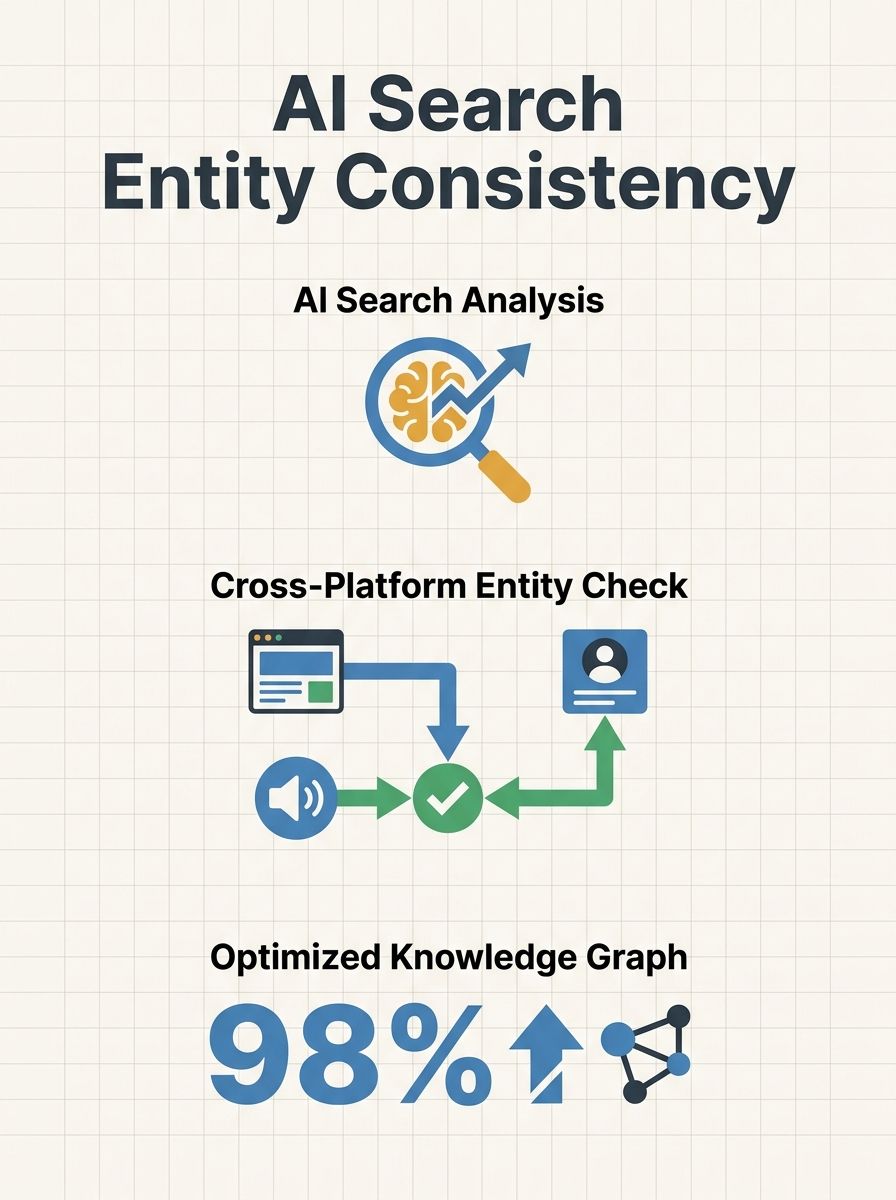
What AI Search Systems Reward Matches Decade-Old Google Guidance
Language models answering questions about products perform a version of what search engines have always attempted: finding the clearest, most consistent, most trustworthy account of an entity and repeating it, according to the Search Engine Journal analysis. A clear website with coherent off-site presence simplified that task for Google and now simplifies it for AI models. Websites built on ranking tactics complicated retrieval for Google and now complicate it for language models.
The fundamental practices Google has emphasized for over a decade—clarity, site health, healthy off-site presence, business-driven rather than tactic-driven SEO—constitute the same training required for AI search visibility. The analysis argues this "unglamorous advice" sat in plain sight for years but failed to gain traction because it "does not sell a course or a new acronym."
The distinction between practitioners who consider AI search genuinely new and those who view it as continuous with existing work depends entirely on what their prior SEO focused on. Content marketers who published shallow content for temporary rankings face a steeper adjustment than those who prioritized entity optimization and cross-platform consistency throughout their work.
Off-Site Entity Consistency Represents the Primary Shift
One element genuinely differs from traditional SEO priorities: increased focus on off-site entity optimization and consistency across every platform where a brand appears, the analysis states. Language models assemble their understanding of an entity from every readable source, not from homepages alone, elevating the importance of activities that "never really went mainstream" in traditional SEO practice.
Practitioners who skipped entity work and consistency fundamentals experience the current environment as disruptive, while those who maintained those disciplines "have been doing entity work and consistency work the whole time, even if nobody called it that," according to the analysis. This explains why AI search "only feels like a new sport to the people who were never really training."
Diagnostic Approach Shifts from Category Rankings to Brand Entity Audits
The actionable diagnostic shift involves prompting large language models directly about a brand and its products rather than testing category-level queries like "best CRM for small teams," the Search Engine Journal piece recommends. Category prompts reveal where a brand ranks on one phrasing; brand-specific prompts reveal what the model believes and which sources inform that belief.
"Asking the model what it knows about you, and watching which sources it reaches for, tells you what it actually believes and where that belief comes from," the analysis states. "One is a ranking check. The other is a map of the exact pages and profiles you need to fix." The diagnostic produces a specific inventory of on-site pages and off-site profiles requiring correction to align machine understanding with accurate entity information.
The same systems that retrieve information to answer questions will increasingly execute actions and transactions, the analysis notes, positioning accurate entity representation as foundational infrastructure for agent-driven commerce beyond citation visibility. Organizations following Google's AI search visibility guidance have begun shifting diagnostic resources from traditional ranking checks to entity consistency audits.
The Takeaway
The convergence of multiple practitioners on the argument that SEO fundamentals already serve AI search marks a shift in industry conversation from naming debates to diagnostic accountability. For marketing managers and SEO specialists, the practical implication is straightforward: if AI search feels disruptive rather than continuous, the work likely prioritized temporary ranking tactics over entity clarity, off-site consistency, and trustworthy presence fundamentals. The gap shows up most clearly in brand-specific LLM prompts that reveal what models believe about an entity and which sources inform those beliefs—a diagnostic more valuable than category-ranking checks because it maps the specific pages and profiles requiring correction. As AI systems increasingly recommend brands based on third-party mentions, practitioners who maintained entity consistency work throughout prior algorithm shifts face a smaller adjustment than those treating each update as a new discipline requiring new acronyms.

Sarah Chen
SEO strategist and web analytics expert with over 10 years of experience helping businesses improve their organic search visibility. Sarah covers keyword tracking, site audits, and data-driven growth strategies.
Related Articles

From Organic to GEO: Building a Unified SEO Strategy Across Google, AI Engines, and Local Search in 2026
Citation rates for top-10 organic results inside Google's AI Overviews dropped from 76% in mid-2025 to between 17% and 54% in 2026.

AI Systems Recommend Brands Based on Third-Party Mentions, Not Direct SEO Signals, Agency Founder Says
Kris Jones, founder of LSEO and former CEO of Pepper Jam, stated that AI search systems recommend brands based on third-party mentions and brand signals rather than direct optimization efforts, according to a Search Engine Journal podcast published August 3, 2026.
Brands Ranking #1 on Google Missing 62% of AI Overview Citations, Adweek Analysis Shows
Brands holding first-page Google rankings are absent from 62% of citations in AI-generated search answers, according to a July 22 analysis by Adweek examining generative engine optimization adoption patterns, as only 38% of pages cited in Google's AI Overviews come from URLs in the top ten tradition
Explore more topics