
The Search Intent Audit Framework: Recovering Revenue From Pages That Rank But Don't Convert
Backlinko's keyword research guide sat in Google's top three results for months, pulling thousands of impressions per week, while its conversion rate stayed pinned below 1%.
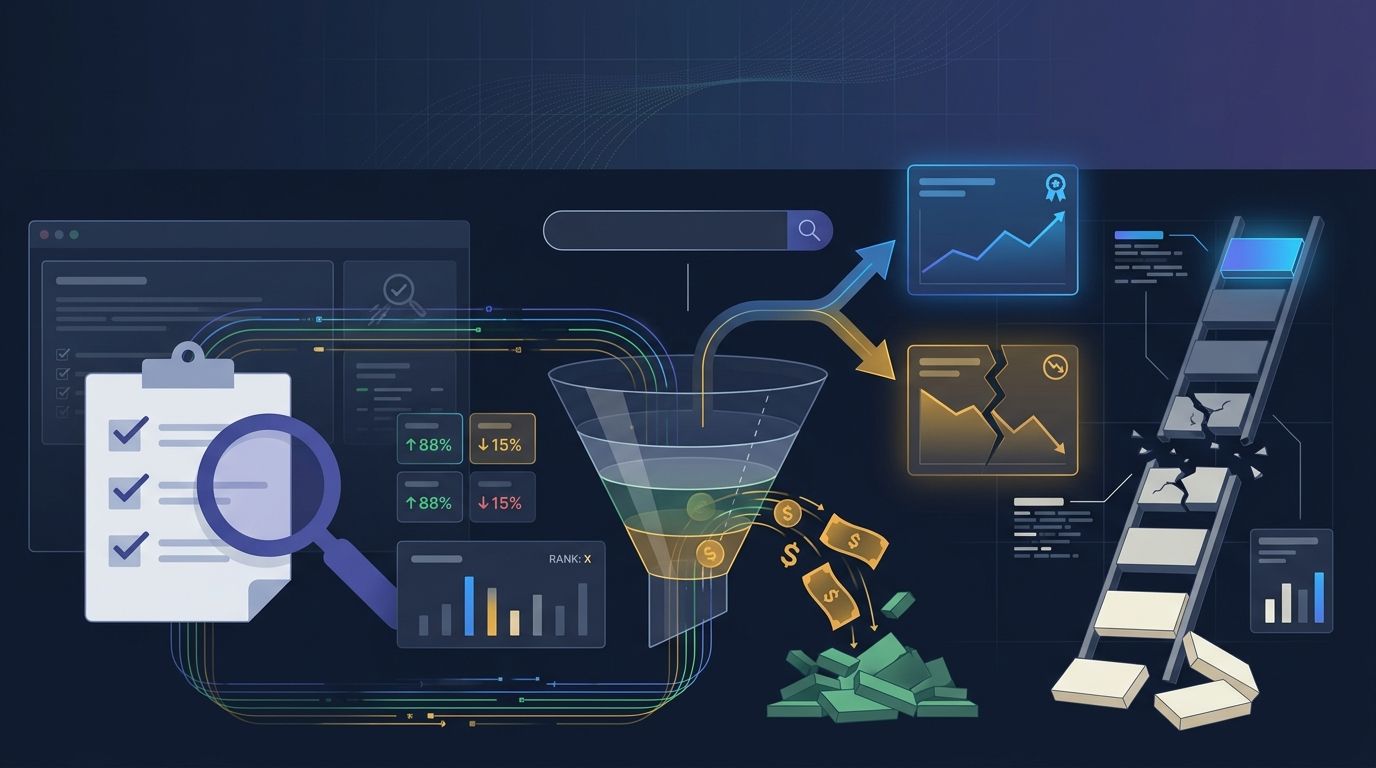
The Search Intent Audit Framework: Recovering Revenue From Pages That Rank But Don't Convert
Backlinko's keyword research guide sat in Google's top three results for months, pulling thousands of impressions per week, while its conversion rate stayed pinned below 1%. The page had earned hundreds of backlinks from social media promotion campaigns, generated strong engagement signals on Twitter and LinkedIn, and accumulated the kind of authority profile that most content marketers dream about. And it was leaving revenue on the table every single day.
The reason was a search intent mismatch — one of the most expensive problems in content marketing — and the fix eventually drove a 652% traffic increase alongside dramatically improved conversions. What makes this case worth dissecting in detail is that the root cause traces back to a pattern I see constantly in social media marketing teams: content built for shareability that accidentally ranks for search queries it was never designed to answer.
A Top-Three Ranking With a Sub-1% Conversion Rate
Brian Dean's team at Backlinko had built a keyword research guide aimed at experienced SEO practitioners. The content was dense, technical, and packed with advanced tactics — exactly the kind of material that performs well when shared across social channels where the audience is already knowledgeable. Social media distribution drove initial visibility. Backlinks accumulated. Google rewarded the page with prominent rankings.
But here's where the keyword intent gap showed up. The people typing "keyword research" into Google weren't experienced practitioners. They were beginners. They wanted step-by-step instructions, not advanced strategies. Every day, thousands of users landed on a page that spoke over their heads, scanned for a few seconds, and left.
According to research on intent-aligned content, pages that mismatch intent see bounce rates exceeding 70%, while intent-aligned content keeps users engaged three to four times longer. Backlinko's guide was experiencing exactly this pattern: strong ranking position, strong social proof, terrible on-page behavior from search visitors.
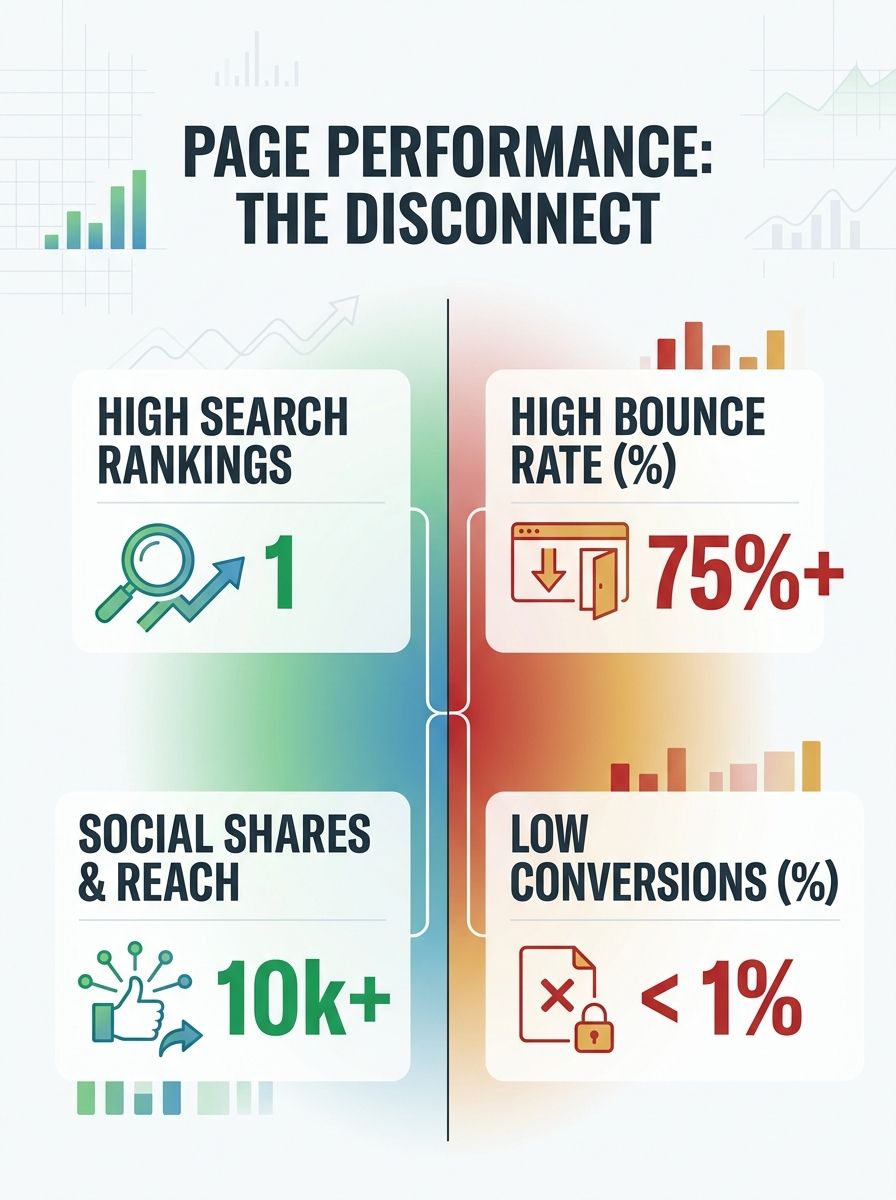
The frustrating part is that by every social media metric, the page looked successful. It had shares, comments, and inbound links from respected industry accounts. If your reporting dashboard only tracks engagement and ranking position, this page would never get flagged for an audit. The SEO revenue loss stays invisible until someone connects the search console data to actual conversion tracking, which is exactly what most social-media-driven content teams fail to do. If your analytics setup has gaps in how it tracks conversions, the problem compounds further — you can't diagnose what you can't measure.
Why Social Shareability Masked the Intent Problem
Social media content and search content serve fundamentally different audiences at different stages of awareness. When social media marketers create content, they optimize for the network they're distributing on. LinkedIn rewards thought leadership. Twitter rewards concise, provocative takes. Both platforms reward novelty and expertise signals — content that makes knowledgeable people nod and hit the share button.
Search engines surface content based on what the query demands. And for broad, high-volume keywords, the query usually demands beginner-friendly explanations. This creates a tension that goes undiagnosed in most organizations because the social team and the SEO team (if they're separate) measure success differently.
As Search Engine Land has documented, intent alignment matters more than technical SEO perfection. The key metrics to track aren't ranking positions alone — they're clicks and impressions for intent-aligned keywords, time on page, and conversion rates for previously underperforming pages. When a social-media-promoted page ranks for a search query, you need to evaluate whether the content actually satisfies the person searching, which is a completely different question from whether it satisfies the person scrolling their feed.
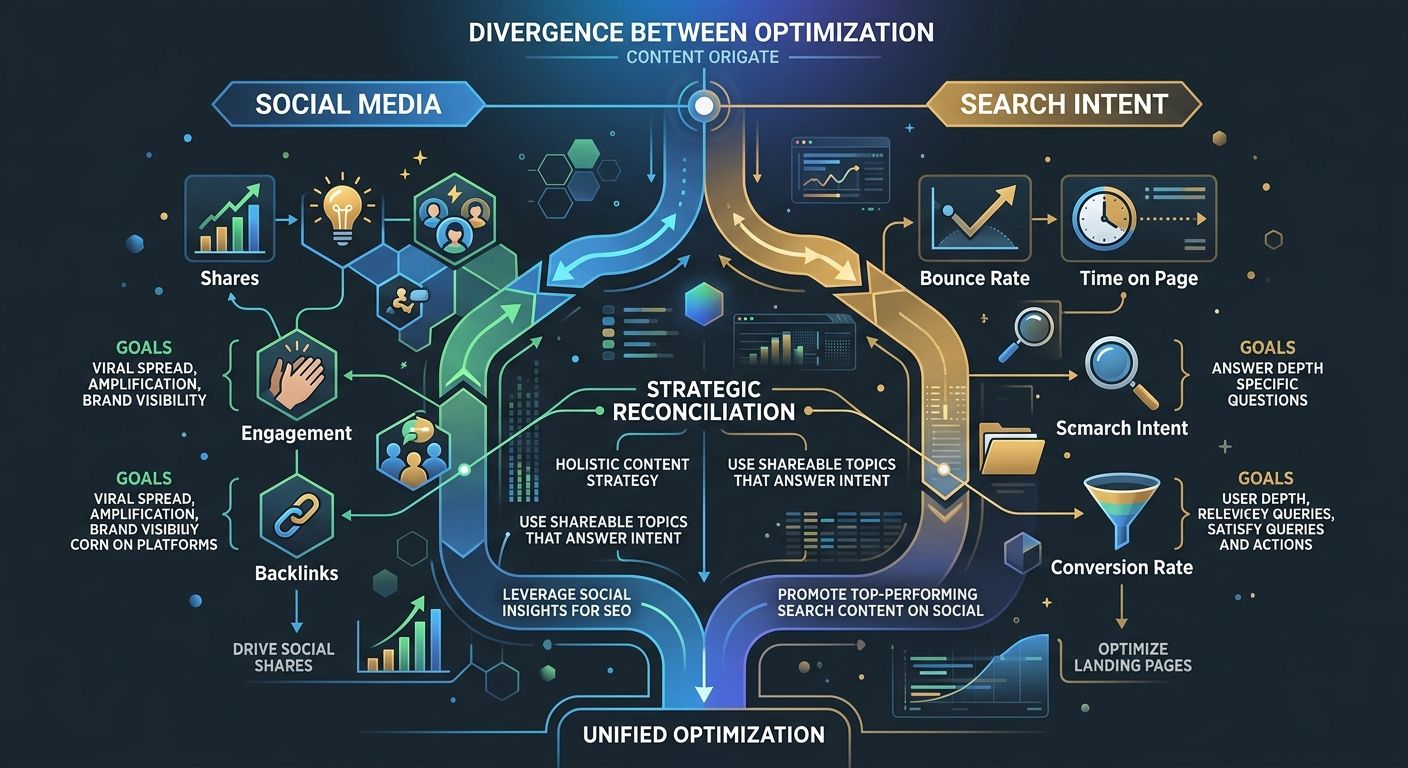
In Backlinko's case, the keyword research guide had been shaped by what resonated on social. Advanced techniques, proprietary frameworks, insider knowledge — all signals of expertise that drive shares. But the search audience for "keyword research" was predominantly people who had never done keyword research before. The content wasn't wrong; it was right for the wrong audience.
This mismatch pattern repeats across industries. A SaaS company's comparison post, originally written as a social media thought leadership piece, ranks for "[product] vs [competitor]" but reads like a victory lap instead of an honest evaluation. A DTC brand's ingredient deep-dive, shared heavily on Instagram, ranks for "is [ingredient] safe" but buries the direct answer under eight paragraphs of brand storytelling. The page ranks because social promotion built authority. The page doesn't convert because ranking without conversions is what happens when authority and intent alignment diverge.
Six Signals That Exposed the Gap
Running an intent-driven content audit on pages that rank well but convert poorly requires looking at specific behavioral data, not just position metrics. Here's the diagnostic framework I use, applied through the lens of what Backlinko's team discovered and what the broader research supports.
Signal 1: Bounce rate relative to query type. If a page targets a broad informational query and shows a bounce rate above 65%, the content likely mismatches what the searcher expected. Backlinko's guide was well above this threshold for organic search visitors specifically — social referral traffic behaved differently, which masked the problem in aggregate reporting.
Signal 2: Time on page segmented by traffic source. Social visitors spent meaningful time on the Backlinko guide because they had the expertise to engage with it. Organic search visitors didn't. When you audit your site architecture for intent alignment, segment time-on-page by acquisition channel. The gap between social and organic tells you how severe the mismatch is.
Signal 3: Scroll depth without conversion events. Pages where users scroll 60-80% of the content but don't click any CTA suggest the content is interesting enough to read but doesn't address the user's actual need. The user keeps scrolling looking for the answer that isn't there.
Signal 4: SERP feature analysis. Look at what Google shows for the query. If the SERP displays "People Also Ask" boxes focused on beginner questions, featured snippets that define basic terms, and competitor pages structured as how-to guides, but your ranking page is an advanced strategy piece, the disconnect is visible before you even check your own analytics.
Signal 5: Query refinement patterns in Search Console. If users who land on your page then search for "[your topic] for beginners" or "[your topic] step by step," they're telling you directly that your page didn't deliver what they needed. Search Console's performance report filtered by page can surface these patterns.
Signal 6: Conversion rate by landing page versus site average. Enilon's research confirms that ranking high for a keyword doesn't automatically lead to conversions or revenue. Compare each high-ranking page's conversion rate against your site average. Any page converting at less than half the site average while receiving significant organic traffic is a candidate for an intent audit.
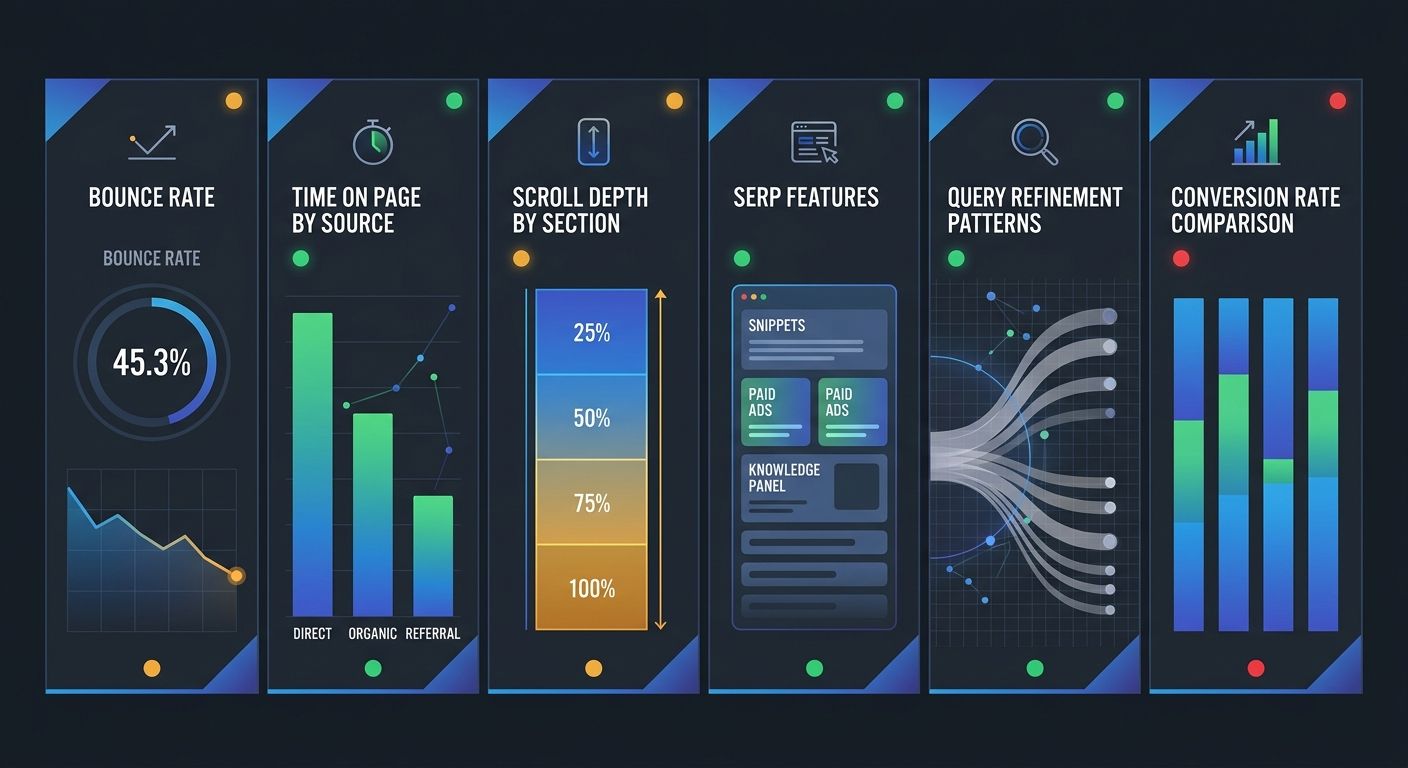
When you stack these signals, the diagnosis becomes clear. For Backlinko, every indicator pointed the same direction: organic search users wanted beginner-level content, and the page delivered expert-level content. The social promotion strategy that built the page's authority had simultaneously shaped it for the wrong search audience. If you've built a keyword prioritization matrix that accounts for business impact alongside search volume, this is where that framework pays off — it forces you to evaluate whether a ranking actually serves a revenue goal or just flatters your traffic dashboard.
How the Rewrite Changed Everything
Backlinko's solution was direct: rewrite the guide for the actual search audience. The new version of the keyword research page led with fundamentals. It defined terms that the original version assumed readers already knew. It structured the content as a sequential process rather than a collection of advanced tactics.
The advanced material didn't disappear — it moved deeper into the page and into linked resources, creating a content architecture where beginners could find their footing and experts could still access the depth they wanted. This approach mirrors what I've seen work across social media marketing sites that face the same problem: don't strip out the expertise that made the content shareable, but restructure the entry point so it matches what the search query actually demands.
The results were dramatic. Traffic increased 652%. But the number that matters more is this: the page started converting. When content matches the searcher's actual stage of awareness, every downstream metric improves — email signups, tool trials, resource downloads. HubSpot documented a parallel outcome, increasing organic traffic by 30% and conversions by 25% after systematically mapping content to user intent across the buyer's path.
The rewrite also changed how the page performed on social. A well-structured beginner guide is actually more shareable to a broader audience than an expert-only piece, because more people can engage with it. The false assumption that social-first content must be advanced or novel to earn shares held Backlinko back. Content that genuinely helps people at the moment they need it gets shared because it's useful, which is a stronger social signal than being impressive.
For social media teams running content distribution, this case highlights a critical audit step: examine every page that social promotion has pushed into Google's top ten and ask whether the search intent matches the content's original social purpose. If there's a gap, the fix isn't to kill the page or strip out what made it work on social. The fix is to restructure the content so the search audience gets what they need in the first half of the page, while the social-friendly depth stays accessible below. When you understand how intent-mismatched pages leak revenue, the restructuring priorities become much clearer.
Backlinko's 652% Recovery and the Social Content Trap
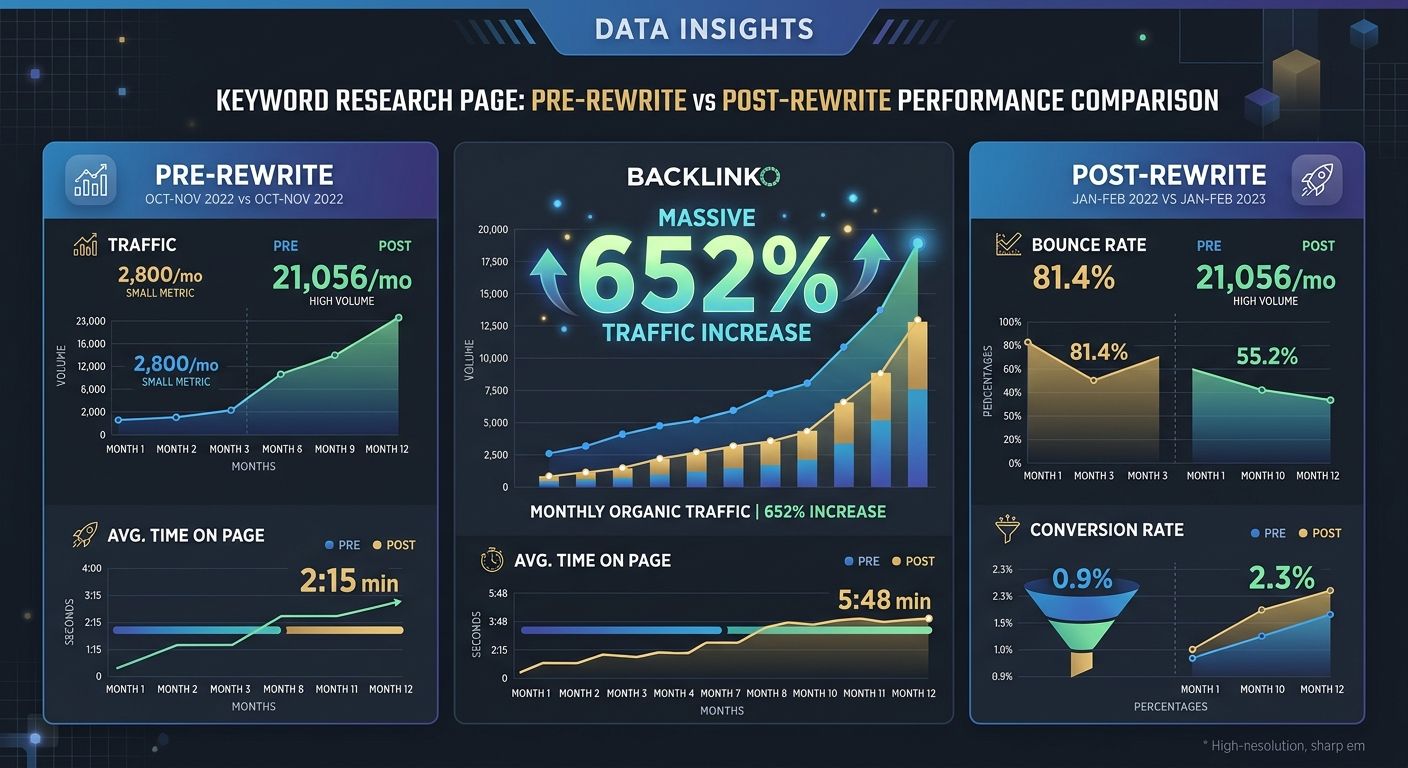
The trap that Backlinko fell into — and that most social media marketing teams still fall into — is treating ranking position and social engagement as proof that a page is working. Both metrics measure visibility, and visibility without intent alignment produces what I call the "busy empty room" effect: lots of people walking through, nobody staying to do business.
An intent-driven content audit doesn't require you to choose between social performance and search performance. The Backlinko rewrite improved both. But it does require you to measure them separately and acknowledge that a page promoted through social channels will attract a different audience than the one Google sends. When those audiences diverge significantly in expertise level, purchase readiness, or information needs, the page has to serve both or you're leaving revenue on the organic side while celebrating engagement on the social side.
The framework for catching this problem before it costs you months of lost conversions comes down to three practices. First, segment your analytics by traffic source for every page that ranks in Google's top twenty — aggregate numbers hide the intent mismatch. Second, audit your highest-ranking pages against actual SERP intent signals quarterly, because the user mix for a query shifts over time as Google refines its understanding of what searchers want. Third, build your content calendar with both distribution channel and search intent defined per page before production begins, so you don't end up retrofitting intent alignment after the fact.
The 652% number is memorable, but the real takeaway from Backlinko's case is subtler. Every page on your site that earned its ranking through social media promotion needs a second evaluation through search intent lenses. The authority that social distribution built is an asset. The content shape that social optimization encouraged may be a liability. Finding the gap between those two and closing it is where the recovered revenue lives.

Alex Chen
Alex Chen is a digital marketing strategist with over 8 years of experience helping enterprise brands and agencies scale their online presence through data-driven campaigns. He has led marketing teams at two successful SaaS startups and specializes in conversion optimization and multi-channel attribution modeling. Alex combines technical expertise with strategic thinking to deliver actionable insights for marketing professionals looking to improve their ROI.
Related Articles
The Search Intent Mismatch Audit: Why Your Content Ranks but Doesn't Convert
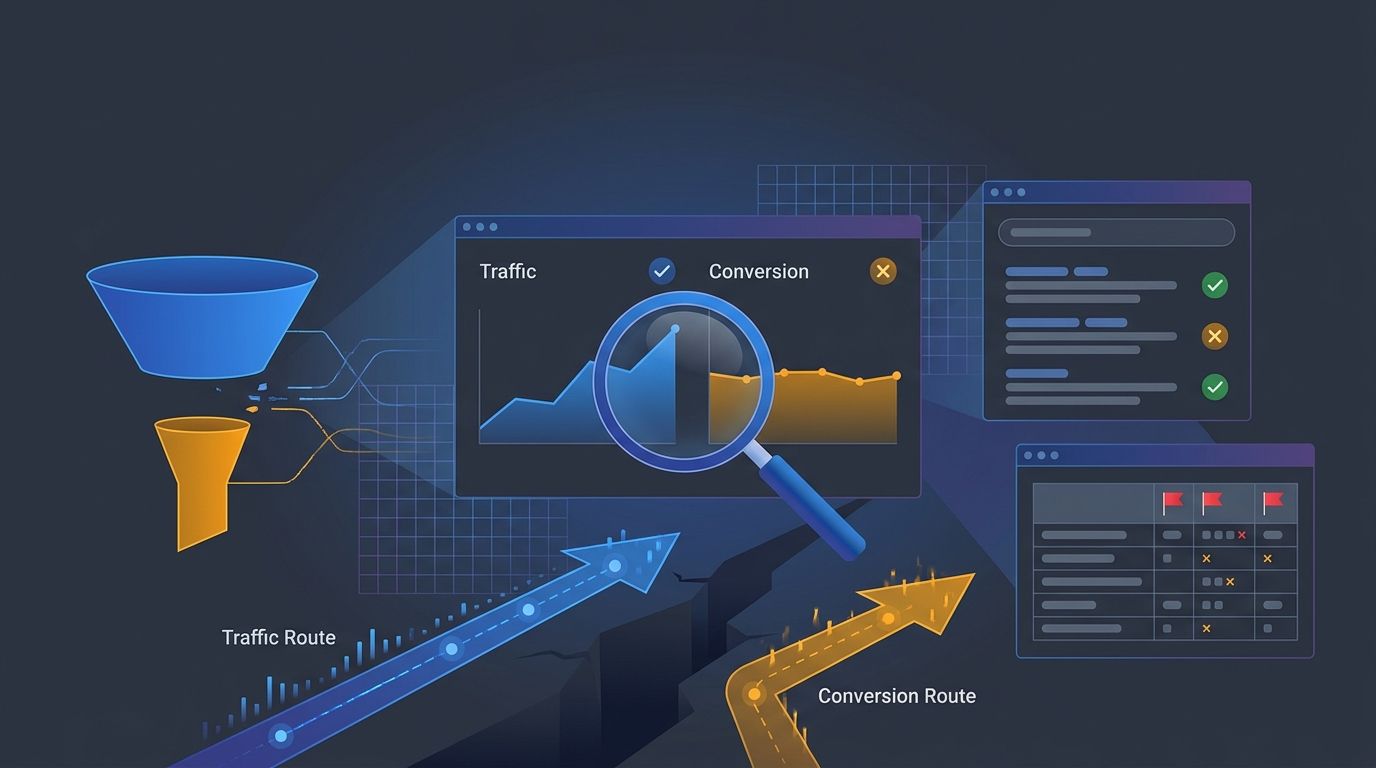
Pages that rank on page one but convert below 1% don't have a CRO problem. They have a content classification problem, where the page answers the wrong type of question for the person searching.

The Search Intent Mismatch Audit: Finding Hidden Revenue Loss in Your Top-Ranking Pages
Ranking #1 on Google for a keyword tells you nothing about whether that page will convert your email subscribers. Email marketers instinctively link to their highest-performing organic pages in campaigns, treating search visibility as a proxy for conversion readiness.
8 SEO Mistakes to Avoid That Tank Your Website Traffic
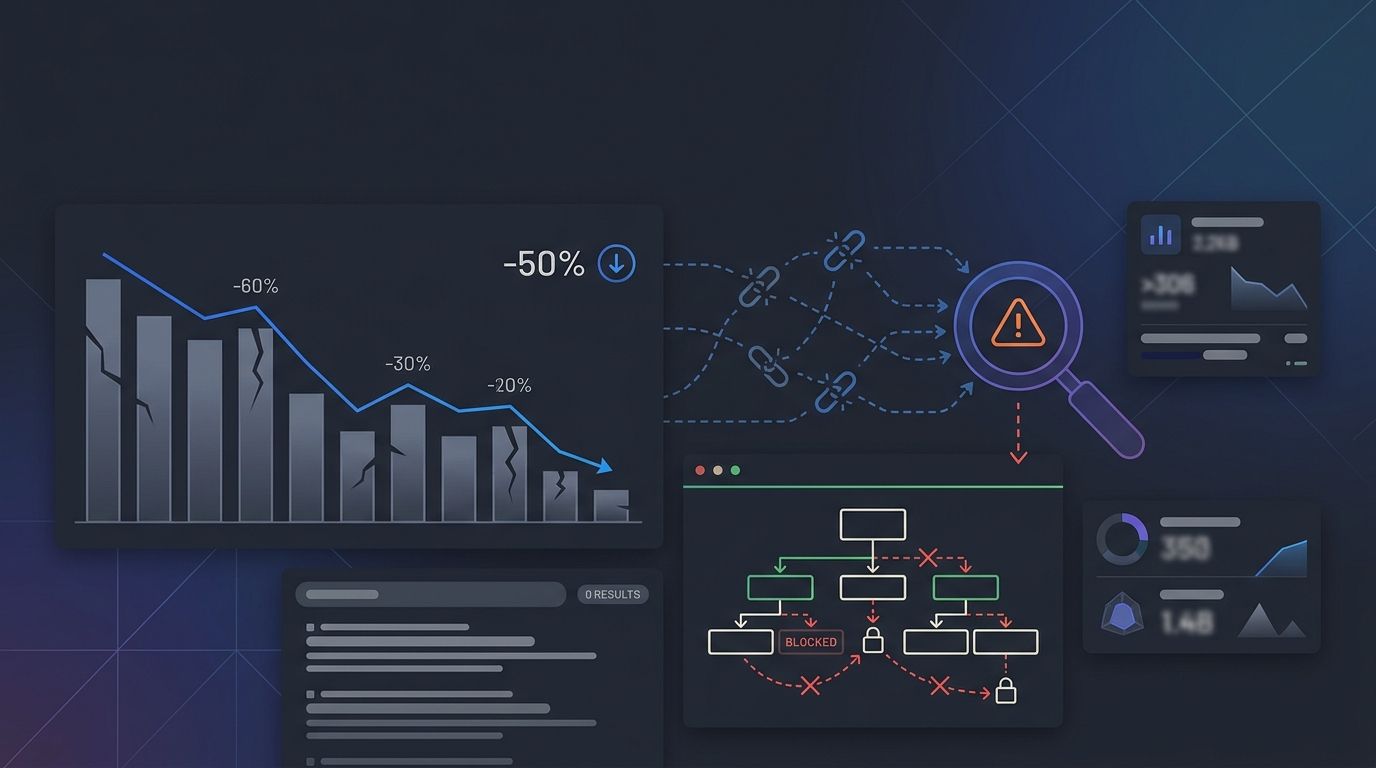
Traffic drops from SEO mistakes share a single underlying mechanism: each failure breaks a specific step in the pipeline Google uses to crawl, evaluate, rank, and serve your pages to users ready to convert.
Explore more topics