Site Architecture for SEO: How to Structure Your Website for Maximum Rankings
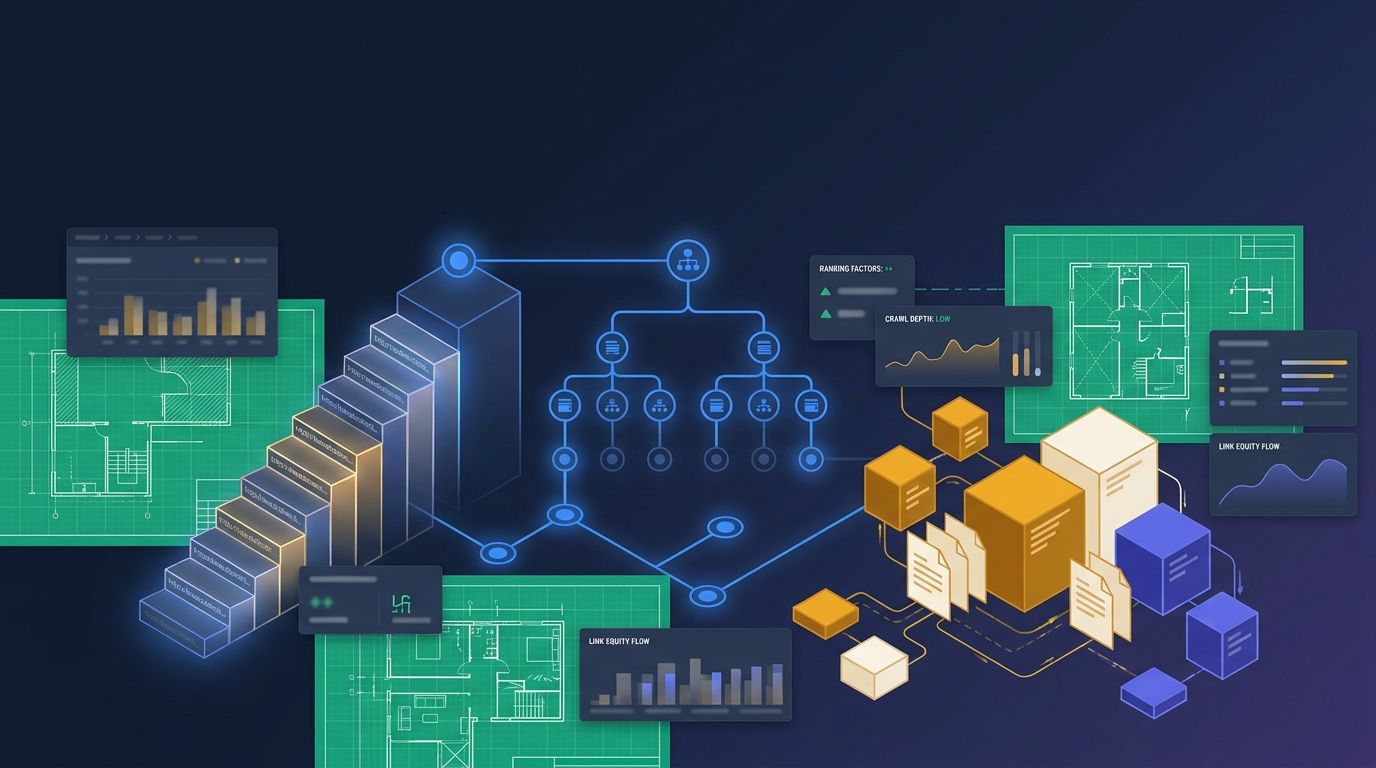
PageRank flows downhill through your site's link graph, losing equity at every click away from the homepage.
Tag

PageRank flows downhill through your site's link graph, losing equity at every click away from the homepage.

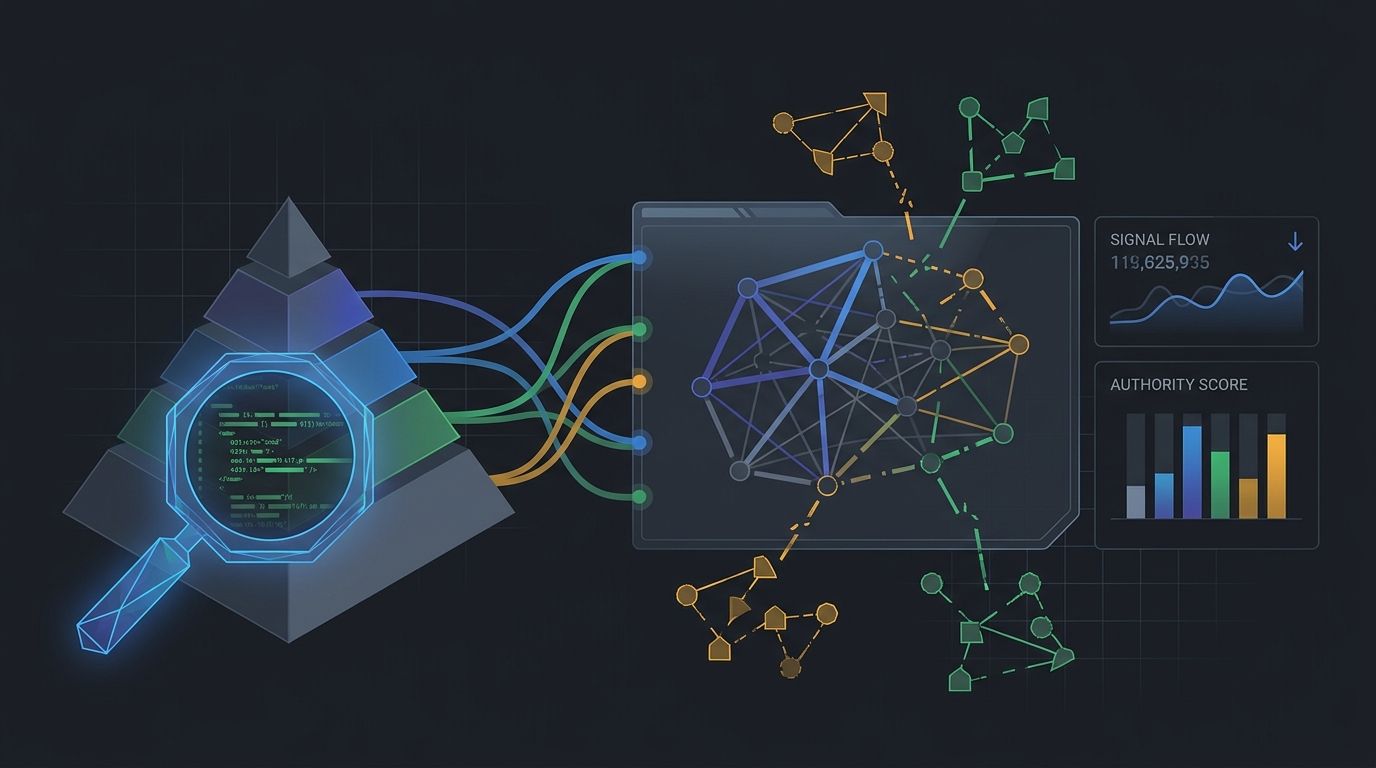
The top 10% of pages on a typical enterprise site absorb more than 80% of all internal links, according to Digital Strategy Force's 2026 audit data, leaving the remaining pages starved of the authority they need to rank.

Link equity flows top-down through a site hierarchy, with the homepage holding the most authority and each subsequent level receiving progressively less. ClickRank.

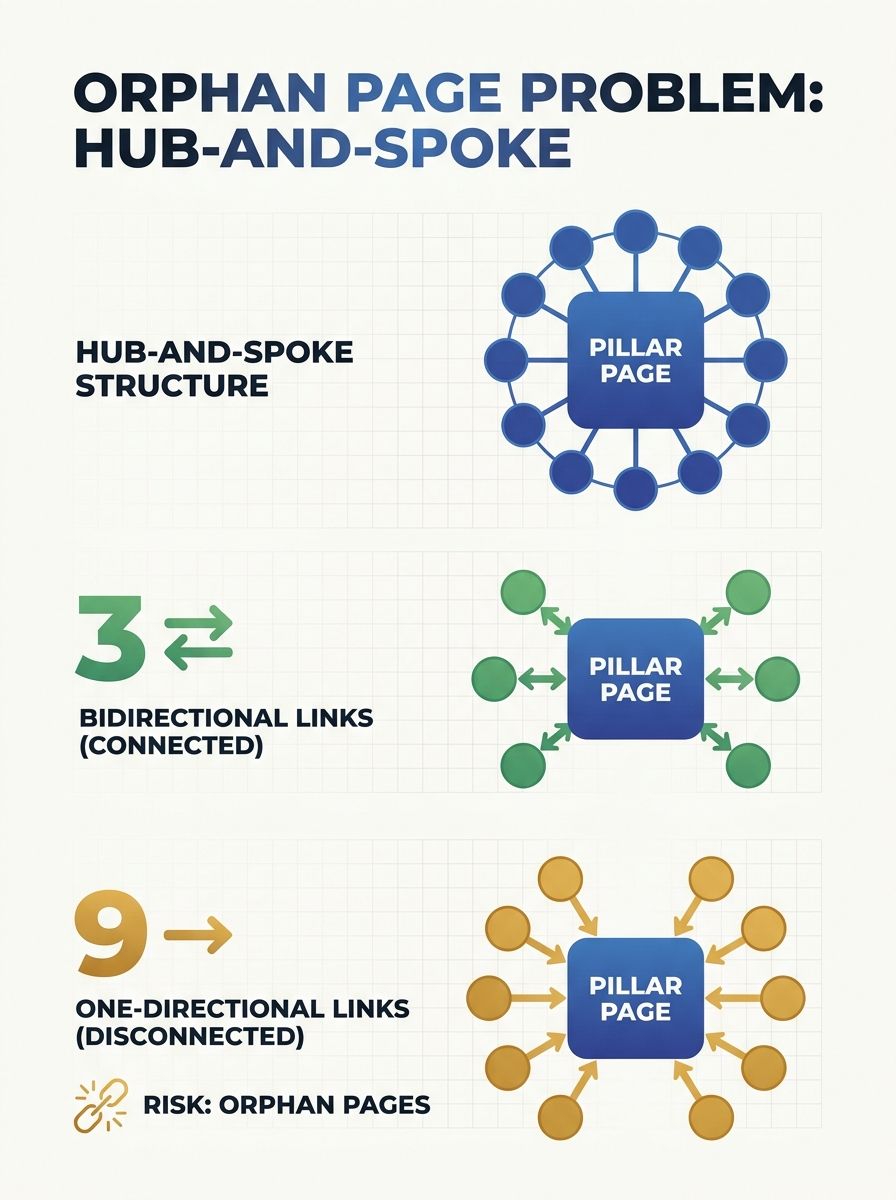
Screaming Frog finished its crawl of a 412-page B2B SaaS site in eleven minutes and surfaced 47 orphaned URLs, zero internal links pointing to the company's primary product page, and a maximum click depth of nine for content that was supposed to be driving organic demo requests.

Your topic clusters are architecturally incoherent, and publishing more content into them is making the problem worse.

A client came to me with 47 pages ranking in the top 10 for their target keywords, over 120,000 organic visits per month, and a conversion rate of 0.3%. Not 3%. Zero-point-three. They'd spent 18 months building what they called a "content machine," and the machine was running beautifully.