
E-Commerce Algorithm Update Diagnosis Framework Published by ClickSlice
E-commerce diagnostic framework published by ClickSlice on June 21 identifies seven technical indicators that signal Google algorithm update impact, according to founder Joshua George. The framework addresses sudden traffic shifts affecting product and category page visibility that directly correlat
E-Commerce Algorithm Update Diagnosis Framework Published by ClickSlice
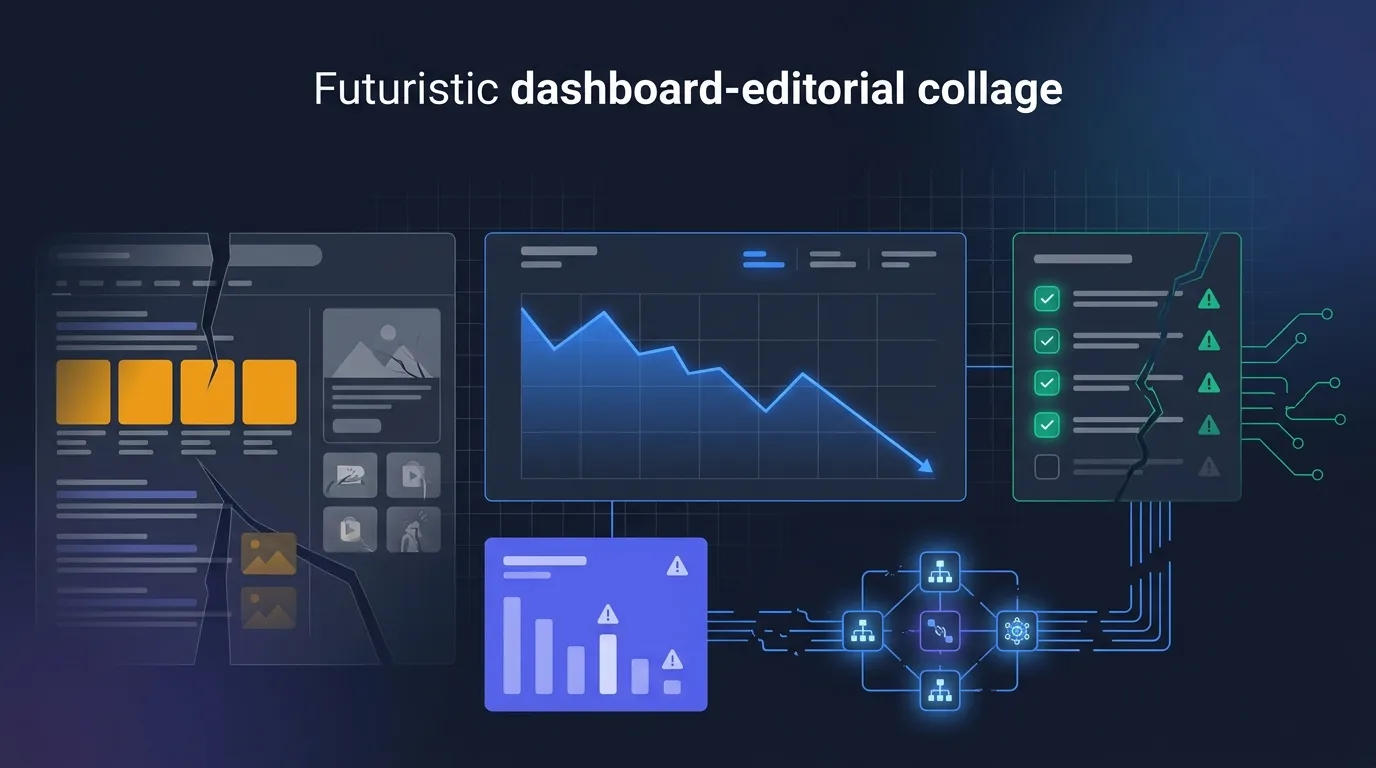
E-commerce diagnostic framework published by ClickSlice on June 21 identifies seven technical indicators that signal Google algorithm update impact, according to founder Joshua George. The framework addresses sudden traffic shifts affecting product and category page visibility that directly correlate with revenue loss.
The framework targets a persistent challenge for online retailers: differentiating between site-specific technical failures and broader algorithmic shifts that affect entire industries simultaneously. E-commerce sites face disproportionate algorithm update exposure because product catalogs generate high page volumes that search engines continuously re-evaluate against quality, structure, and authority criteria, according to the guide.
Seven-Indicator Detection System
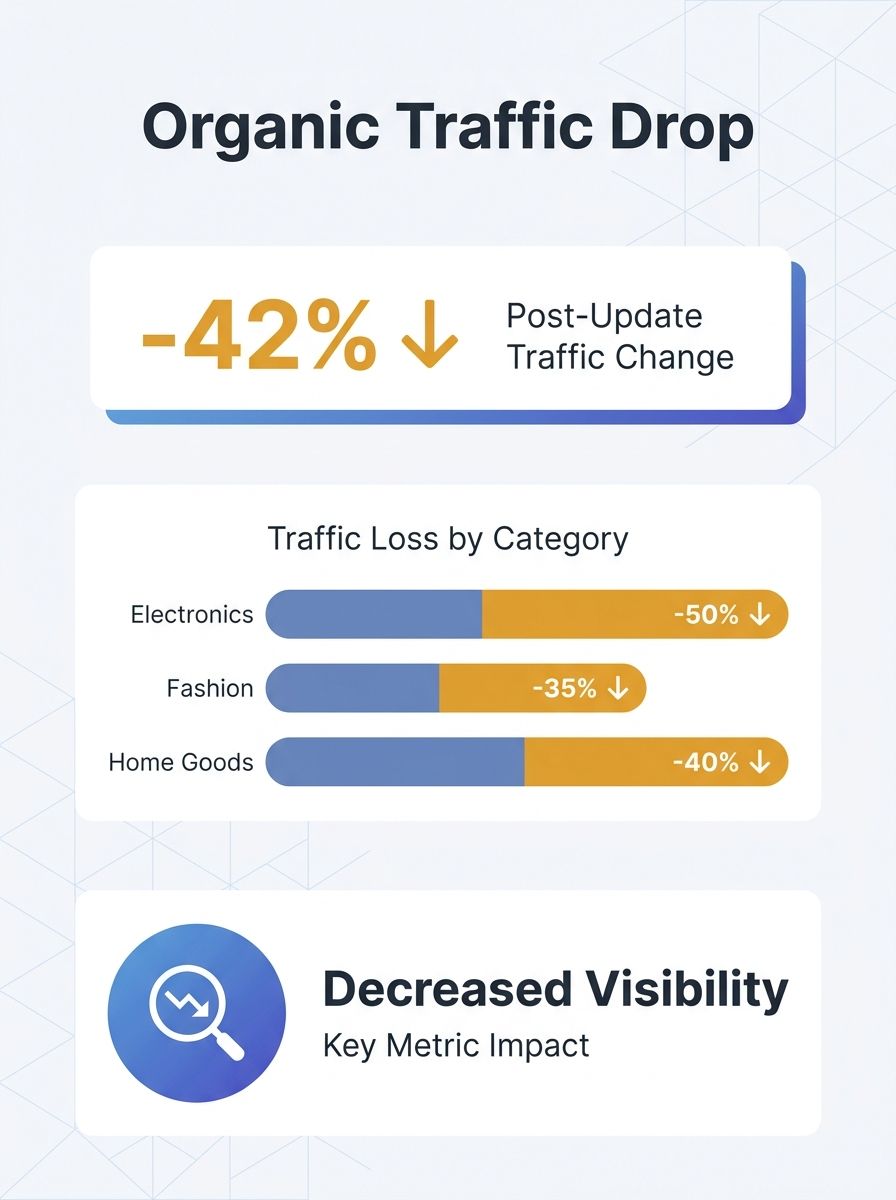
The ClickSlice framework isolates seven diagnostic signals that distinguish algorithm penalties from routine ranking variance. Sudden organic traffic changes—either drops or spikes—represent the primary indicator, particularly when technical audits reveal no infrastructure failures. George noted that algorithm updates typically affect traffic patterns across entire keyword clusters rather than isolated search terms.
Ranking fluctuations across multiple keywords simultaneously signal algorithmic rather than page-specific issues, the framework states. The pattern differs from single-page ranking shifts caused by content staleness or broken internal links.
Impression and click-through rate changes provide secondary confirmation. Declining impressions indicate lost visibility in search result positions, while CTR drops suggest reduced listing appeal relative to competitors even when impressions hold steady. The framework instructs operators to cross-reference both metrics before concluding algorithm impact occurred.
Competitor ranking movement offers corroborating evidence. When multiple competitors gain positions for shared target keywords during the same period, the shift likely reflects algorithmic re-evaluation of topic authority rather than individual site improvements. Monitoring five to ten direct competitors provides sufficient signal, according to the guide.
Response Protocol and Content Quality Emphasis
The framework prescribes a measured response sequence following suspected algorithm impact. George advised against immediate site-wide changes, stating that reactive modifications often compound ranking losses. The recommended approach begins with content quality audits targeting relevance and search intent alignment, particularly for pages experiencing the steepest ranking declines.
Many recent algorithm updates have intensified content quality weighting, the framework notes. Thin product descriptions, duplicate category page content, and misaligned search intent now trigger more severe ranking penalties than in prior years. E-commerce operators should prioritize these factors during recovery audits, the guide states.
Technical performance improvements form the second response tier. User experience metrics, site architecture efficiency, and crawl budget allocation directly influence algorithmic evaluation, particularly following core updates. The framework links to broader SEO triage protocols for operators facing simultaneous technical and content-quality issues.
Crawl activity monitoring provides diagnostic confirmation. Changes in Googlebot crawl frequency or indexing patterns often accompany algorithm updates that alter site authority assessments. Search Console data revealing sudden crawl rate drops or expanded crawl budgets can validate suspected update impact, according to the framework.
Verification Timing and Data Analysis Requirements
The framework specifies a minimum seven-day observation window before concluding algorithm impact occurred. Shorter monitoring periods capture routine ranking volatility rather than sustained algorithmic shifts. George recommended comparing traffic, ranking, and engagement metrics across two-week periods before and after suspected update dates.
Google Analytics and Search Console provide the primary diagnostic data sources. Traffic trend analysis should isolate organic channel performance, filtering paid search and direct traffic to avoid diluted signals. Keyword ranking tools measuring position changes across 50-plus tracked terms deliver higher-confidence pattern detection than manual spot-checks, the framework states.
The guide contextualizes the seven-indicator system within broader algorithm update patterns. The March 2026 core update shifted 79.5% of top-three search results, demonstrating the scale at which algorithmic changes redistribute visibility across entire industries. E-commerce sites carrying thousands of product pages face proportionally higher exposure to these shifts than service-based businesses with smaller page inventories.
Reading Between the Lines
ClickSlice's framework arrives as e-commerce operators face compressed diagnosis windows. Revenue loss from algorithm penalties compounds daily—a two-week delay diagnosing the root cause translates directly to extended recovery timelines and accumulated sales loss. The seven-indicator system compresses what previously required manual correlation of multiple data sources into a standardized checklist.
The framework's emphasis on pattern recognition over isolated metrics reflects a maturation in how SEO teams distinguish signal from noise. Single-keyword ranking drops or brief traffic dips trigger false-positive responses that waste recovery resources. Multi-indicator confirmation before initiating site-wide changes reduces the risk of reactive modifications that worsen rather than resolve penalties.
The measured response protocol—audit first, change second—contradicts the instinct to immediately rewrite content or restructure navigation following traffic drops. Sites that survived the March 2026 core update with minimal impact shared a common pattern: they delayed major changes until diagnostic data confirmed specific quality gaps rather than executing blanket "fixes" based on speculation. George's framework codifies that discipline into a repeatable system any e-commerce operator can deploy without specialized diagnostic expertise.

Alex Chen
Alex Chen is a digital marketing strategist with over 8 years of experience helping enterprise brands and agencies scale their online presence through data-driven campaigns. He has led marketing teams at two successful SaaS startups and specializes in conversion optimization and multi-channel attribution modeling. Alex combines technical expertise with strategic thinking to deliver actionable insights for marketing professionals looking to improve their ROI.
Related Articles
Google's August 2026 Algorithm Update Triggers Ranking Volatility Across 45% of Tracked Websites
Google's August 2026 algorithm update triggered ranking volatility across 45% of tracked websites beginning August 8, 2026, according to SEO Vendor's analysis published the same day, with sites demonstrating weak originality and thin evidence reporting steeper traffic declines than pages offering cl
MarTech Publishes Four-Part Diagnostic Framework Separating Traffic Decline Root Causes
MarTech published a four-part diagnostic framework on July 20 that separates organic traffic decline into distinct root causes requiring different remediation strategies, according to content strategist Ashish Jacob's analysis, adding zero-click SERP features as a fourth category alongside the tradi
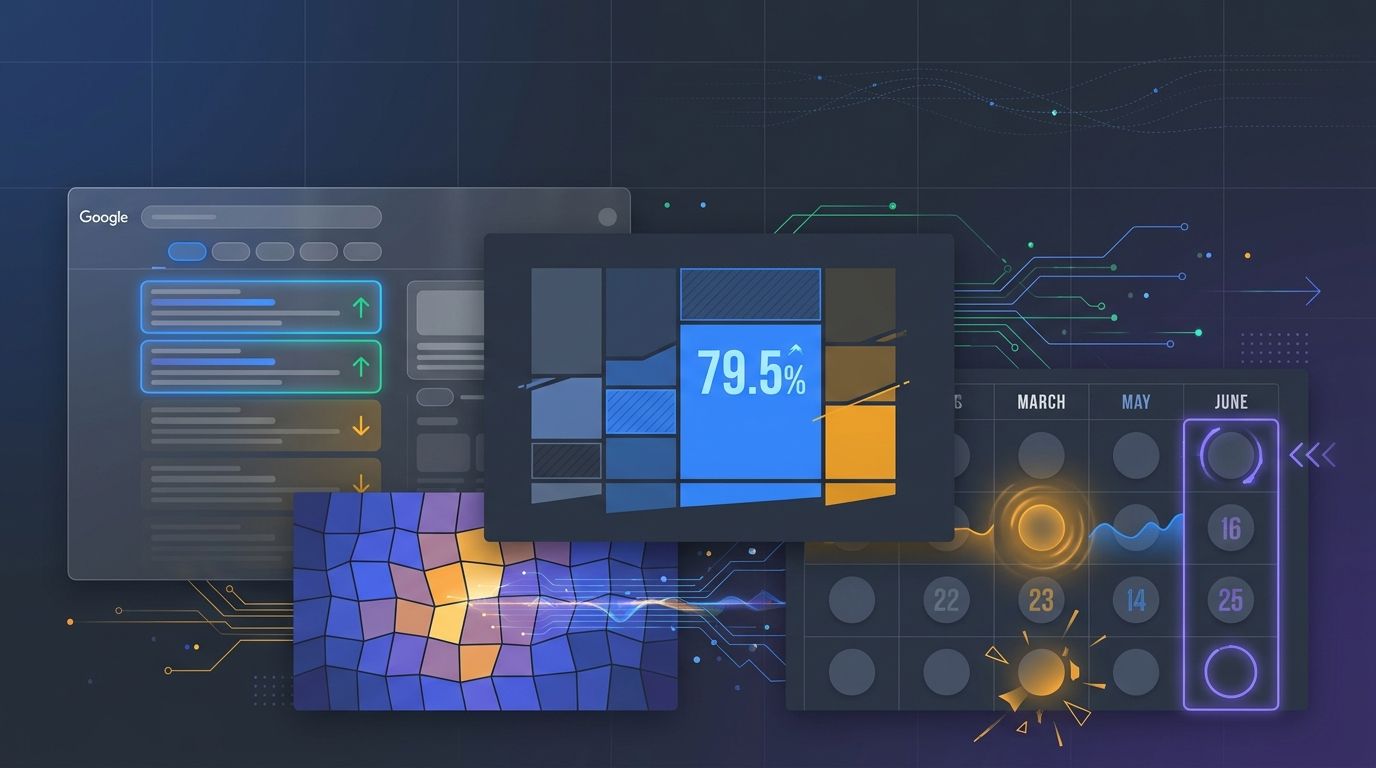
Google March 2026 Core Update Shifted 79.5% of Top-Three Search Results, SE Ranking Data Shows
Nearly four in five URLs ranking in Google's top-three positions changed during the March 2026 Core Update, according to volatility data published by SE Ranking on June 7, 2026. The 79.5% shift rate marks the highest positional volatility Google has produced in years, exceeding the 66.8% movement re
Explore more topics