
Large Language Models Apply Distinct Citation Logic Across Platforms, New LLM SEO Methodology Shows
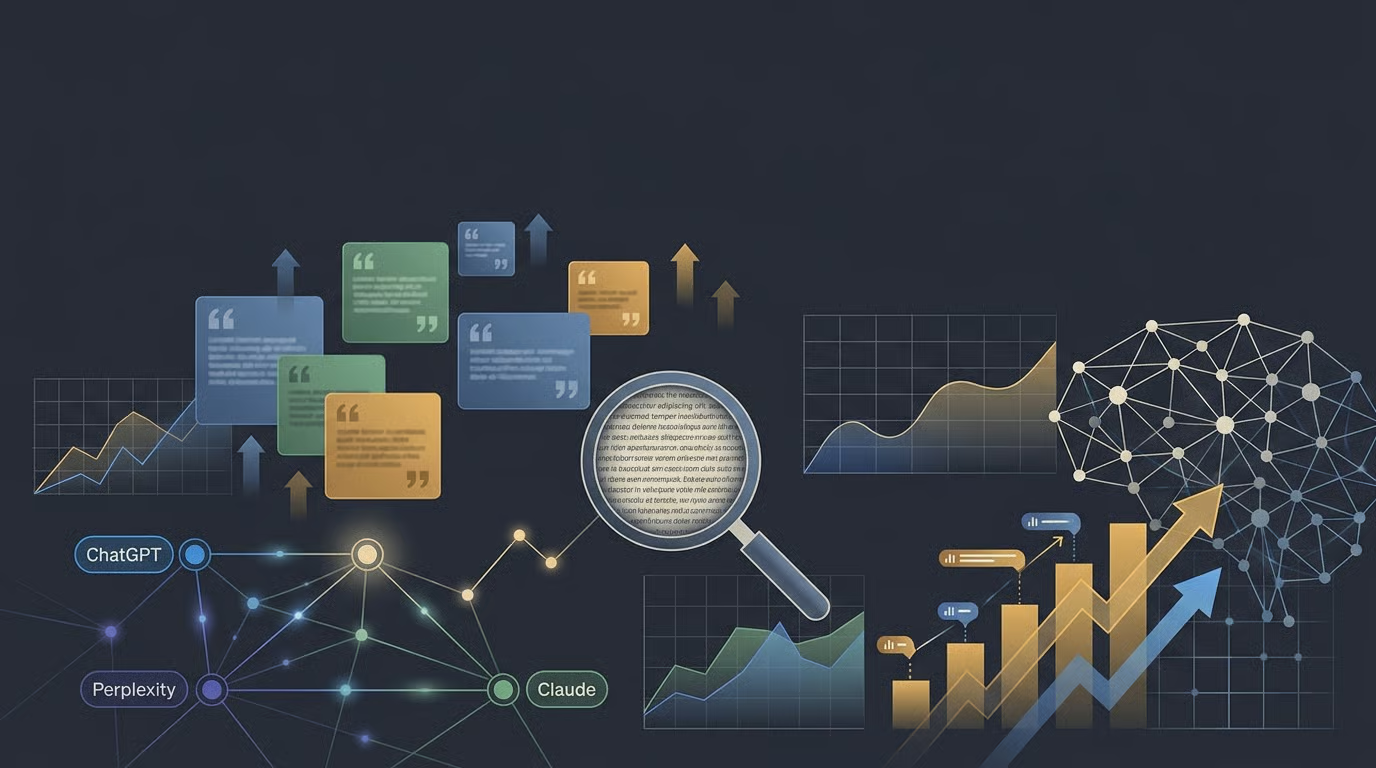
ChatGPT, Perplexity, and Claude each apply fundamentally different retrieval and citation logic when sourcing web content for generated answers, requiring platform-specific optimization tactics rather than a unified approach, according to a comprehensive LLM SEO methodology published by The AI Journ
Large Language Models Apply Distinct Citation Logic Across Platforms, New LLM SEO Methodology Shows
ChatGPT, Perplexity, and Claude each apply fundamentally different retrieval and citation logic when sourcing web content for generated answers, requiring platform-specific optimization tactics rather than a unified approach, according to a comprehensive LLM SEO methodology published by The AI Journal on August 21, 2026. The guide outlines six tactical adjustments that consistently increase citation probability across generative AI platforms, a capability the publication frames as essential as traditional search visibility given the ongoing shift toward AI-mediated information retrieval.
Platform-Specific Citation Behavior Drives Optimization Split
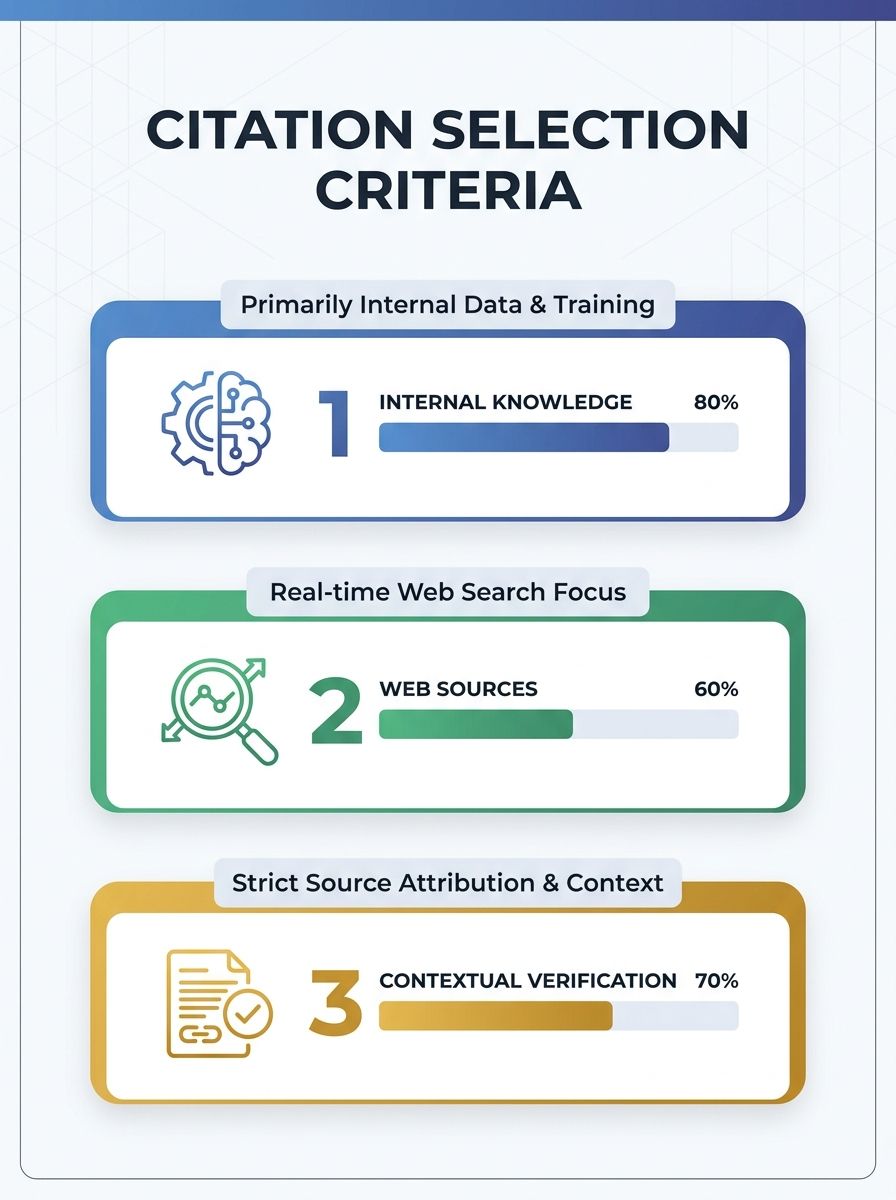
ChatGPT's browsing mode pulls from a live web index built on Bing infrastructure in addition to training-data knowledge, creating dual optimization requirements, the analysis explains. Pages earn citations through both broad authoritative mentions that influence training corpus inclusion and traditional search-ranking signals that surface content during live retrieval steps.
Perplexity generates nearly every answer from fresh web page retrieval and displays inline source attribution, rewarding recent, specific, statistically dense content with clean extractable claims, according to the guide. The platform's crawler respects standard indexing signals, making technical SEO fundamentals, crawlability, load speed, semantic HTML, disproportionately influential in determining retrieval-set inclusion.
Claude prioritizes sources exhibiting credibility markers including visible authorship, publication dates, original research citations, and documentation-style formatting, the methodology states. The platform demonstrates "noticeably more caution" about citing promotional or thin content compared to competitors, favoring depth and precision over content volume.
Six-Tactic Framework Targets Citation Probability
The published methodology recommends answer-first extractable content structure as the foundational tactic, with each section opening with a self-contained direct answer before contextual explanation. "Models lift sentences out of context, so a paragraph that only makes sense after three paragraphs of setup rarely gets quoted," the guide states, recommending single-sentence readability as a structural test.
Structured data implementation through Schema markup, specifically Article, FAQPage, HowTo, and Organization schemas, provides crawler-parsable fact, authorship, and date signals that influence citation decisions across platforms, according to the analysis. Clean heading hierarchy and semantic HTML carry elevated importance in LLM SEO compared to traditional search optimization because models frequently extract from simplified text representations of pages.
Topical depth concentration outperforms distributed thin-page approaches, with comprehensive single resources demonstrating higher citation rates than keyword-variation page collections, the methodology finds. Cross-web mentions without backlinks measurably increase brand-name citation probability because models cross-reference facts across sources, making digital PR, guest contributions, and community presence on Reddit and Quora functional LLM optimization tactics, the guide explains.
Content currency signals, visible publish dates, "last updated" timestamps, refreshed statistics, and pruned outdated claims, increase treatment as trustworthy current sources particularly in Perplexity and ChatGPT live-browsing contexts, according to the analysis. Explicit authorship through bylines, author bio links, and primary data source citations align with existing E-E-A-T principles while addressing model preferences for verifiable expertise markers.
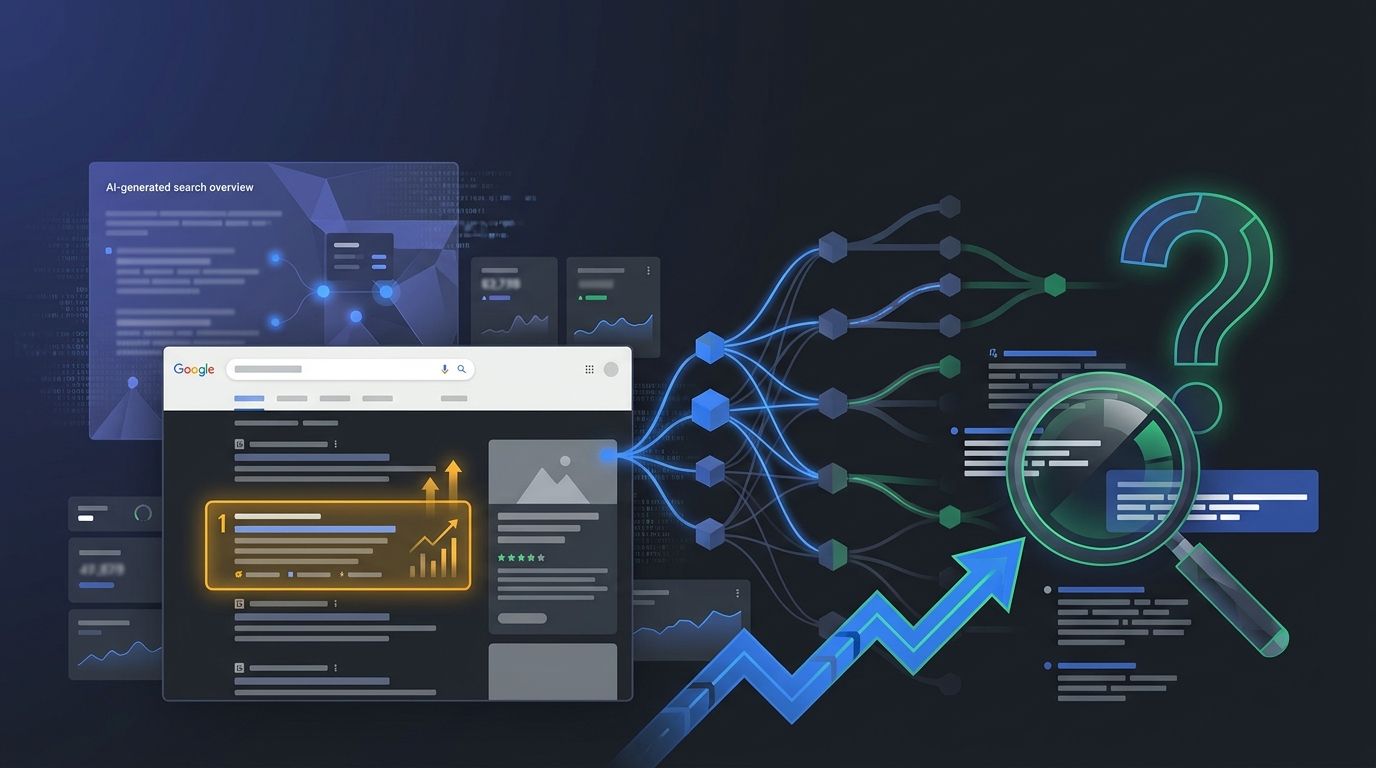
The framework aligns with broader industry recognition that AI search optimization requires tactical adjustments beyond traditional ranking practices, though practitioners emphasize that fundamental SEO discipline remains foundational. Recent data showing brands ranking first on Google missing 62% of AI Overview citations underscores the distinct optimization requirements the guide addresses.
Why This Matters Now
Search traffic increasingly flows through AI-mediated answer synthesis rather than link-list navigation, creating citation visibility as a parallel performance metric to traditional ranking position. Marketing teams tracking organic search KPIs face measurement gaps when AI-referred traffic converts at 11x traditional search rates yet remains invisible to most analytics platforms, making proactive LLM optimization methodology adoption a competitive necessity rather than experimental tactic.
The platform-specific citation logic outlined in the methodology requires resource allocation decisions, ChatGPT's dual training-data and live-index optimization demands differ materially from Perplexity's recency-and-extraction focus and Claude's credibility-marker prioritization. Content operations structured around single-platform keyword targeting face systematic disadvantage as query volume fragments across multiple generative interfaces with distinct sourcing behavior.
Platform citation mechanics will likely evolve as retrieval-augmented generation architectures mature, but the structural principles, extractable answers, verifiable authorship, cross-source corroboration, technical crawlability, establish baseline requirements for AI-mediated visibility regardless of specific algorithm changes. Organizations delaying tactical adjustments risk citation exclusion during the current transition period when early optimization creates compounding authority advantages.
Alex Chen
Alex Chen is a digital marketing strategist with over 8 years of experience helping enterprise brands and agencies scale their online presence through data-driven campaigns. He has led marketing teams at two successful SaaS startups and specializes in conversion optimization and multi-channel attribution modeling. Alex combines technical expertise with strategic thinking to deliver actionable insights for marketing professionals looking to improve their ROI.
Related Articles
Beyond Traditional Rankings: How to Optimize for Both Google Search and AI Answer Engines in 2026
Google AI Overviews now appear in over 60% of searches, but only 17% of sources cited in those AI-generated answers also rank in the traditional organic top 10.
Brands Ranking #1 on Google Missing 62% of AI Overview Citations, Adweek Analysis Shows
Brands holding first-page Google rankings are absent from 62% of citations in AI-generated search answers, according to a July 22 analysis by Adweek examining generative engine optimization adoption patterns, as only 38% of pages cited in Google's AI Overviews come from URLs in the top ten tradition
From Organic to GEO: Building a Unified SEO Strategy Across Google, AI Engines, and Local Search in 2026
Citation rates for top-10 organic results inside Google's AI Overviews dropped from 76% in mid-2025 to between 17% and 54% in 2026.
Explore more topics