
Brands Ranking #1 on Google Appear in Only 31% of AI Search Responses, NP Digital Study Finds
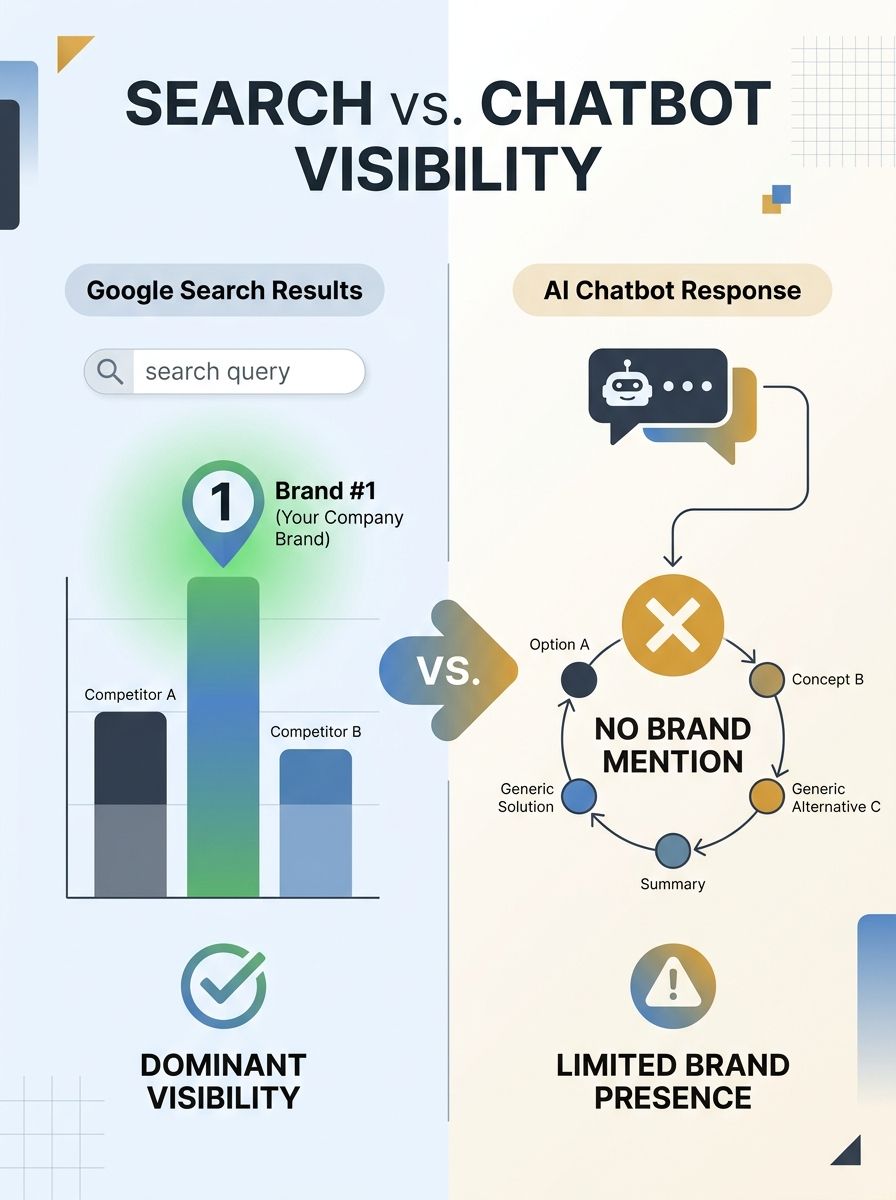
Brands holding the top position in Google search results appear in AI-powered search responses just 31% of the time, according to a March 2026 experiment conducted by digital marketing agency NP Digital that tested 500 commercial keywords across five industries against 4,308 long-tail AI prompts. Th

Brands Ranking #1 on Google Appear in Only 31% of AI Search Responses, NP Digital Study Finds
Brands holding the top position in Google search results appear in AI-powered search responses just 31% of the time, according to a March 2026 experiment conducted by digital marketing agency NP Digital that tested 500 commercial keywords across five industries against 4,308 long-tail AI prompts. The study, disclosed June 4 by Dan Kalinski, NP Digital's APAC managing director, found that two-thirds of brands that "won" traditional SEO rankings remain invisible when consumers query ChatGPT, Perplexity, Gemini, and similar large language models.
The research underscores a structural shift Google confirmed at Marketing Live 2026: traditional organic search is being replaced by AI-driven answer engines. Bain & Company separately reported that zero-click activity already accounts for 65% of consumer searches, with purchase decisions shaped before a brand's website loads, according to the consultancy's "Goodbye clicks, hello AI" report cited by Kalinski.
Consumer Journeys Collapse From Weeks to Minutes
NP Digital's client base shows the consumer purchase journey shrinking from 20-plus touchpoints over several weeks to a single AI conversation completed in five minutes, Kalinski said. That compression eliminates the click-through phase entirely—AI agents synthesize answers from multiple sources and present recommendations without requiring users to visit individual websites.
The discrepancy between traditional rankings and AI visibility stems from how large language models source information. Review volume, citation frequency across third-party platforms, and encyclopedic content structure drive AI recommendations more than on-page keyword optimization, according to the analysis. Brands whose websites read as promotional copy rather than fact-based resources get filtered out by LLMs during the citation selection phase.
Southeast Asia Leads AI Search Adoption Globally
Southeast Asia is adopting AI-led discovery faster than Western markets, mirroring the region's earlier shift to chat-native commerce on platforms like Lazada, Shopee, and Grab, Kalinski noted. That conditioning primed consumers to expect instant, personalized answers—a behavior pattern now accelerating AI search adoption across the region ahead of North America and Europe.
The phenomenon presents particular risk in a climate of tightening marketing budgets and compressed business margins. "No digital environment punishes misallocated attention more brutally than the current one," Kalinski wrote, warning that brands optimizing for keyword rankings are targeting metrics disconnected from consumer behavior.
Organizations struggling to align their content strategy with AI discoverability may benefit from reviewing how site architecture signals topic authority to search engines and AI agents alike.
30-Day Visibility Turnaround Requires Measurement Shift
Kalinski outlined a four-step protocol brands can execute within 30 days to recover AI visibility. First, conduct an AI share-of-voice audit by searching brand and category terms directly in ChatGPT, Perplexity, Gemini, and competing platforms—not Google—to map current citation rates. Second, replace rankings and traffic as primary KPIs with brand mention frequency, citation count, and share of AI recommendations by category.
Third, rebuild website content to prioritize facts, comparisons, and statistics over sales messaging. AI overviews pull disproportionately from encyclopedic structures rather than promotional copy, the analysis found. Fourth, ensure cross-channel messaging consistency—AI agents cross-reference signals from Google, YouTube, Reddit, review platforms, and social media simultaneously, and inconsistent information creates conflicting signals that suppress recommendations.
The shift demands what Kalinski called an "outcomes-first measurement approach," abandoning surface-level vanity metrics in favor of tracking whether a brand appears in the zero-click discovery layer where 65% of purchase decisions now form. Traditional search intent frameworks built around click-through behavior require fundamental rethinking when consumers complete their research inside conversational interfaces.
What This Means for Marketing Managers
Marketing managers still reporting keyword rankings as primary success metrics are measuring performance in a shrinking segment of the discovery funnel. The NP Digital study quantifies what many teams suspected: top Google positions no longer guarantee consumer awareness when AI agents mediate the research phase. Sixty-nine percent invisibility among category leaders signals that legacy SEO investments may not transfer to the platforms where decisions now form.
The 30-day turnaround window Kalinski describes is realistic only if teams redirect resources from traditional optimization to AI citation-building immediately. That means auditing content for factual density, consolidating review collection across platforms AI agents query, and standardizing brand messaging everywhere those agents look for corroboration. The measurement shift—from traffic to citation rate—requires buy-in from executives accustomed to dashboard metrics that no longer correlate with revenue.
Southeast Asian marketing teams face this transition on an accelerated timeline because regional consumer behavior already reflects AI-first discovery patterns. Brands treating this as a future consideration rather than a June 2026 operational priority risk losing category visibility during the narrow window competitors need to build AI citation dominance. The experiment's 31% figure is an average; in categories where one or two brands execute the protocol Kalinski outlines, the winner-take-most dynamics of AI recommendations can collapse competitors' visibility to single-digit percentages within a quarter.
Alex Chen
Alex Chen is a digital marketing strategist with over 8 years of experience helping enterprise brands and agencies scale their online presence through data-driven campaigns. He has led marketing teams at two successful SaaS startups and specializes in conversion optimization and multi-channel attribution modeling. Alex combines technical expertise with strategic thinking to deliver actionable insights for marketing professionals looking to improve their ROI.
Related Articles
Brands Ranking #1 on Google Missing 62% of AI Overview Citations, Adweek Analysis Shows
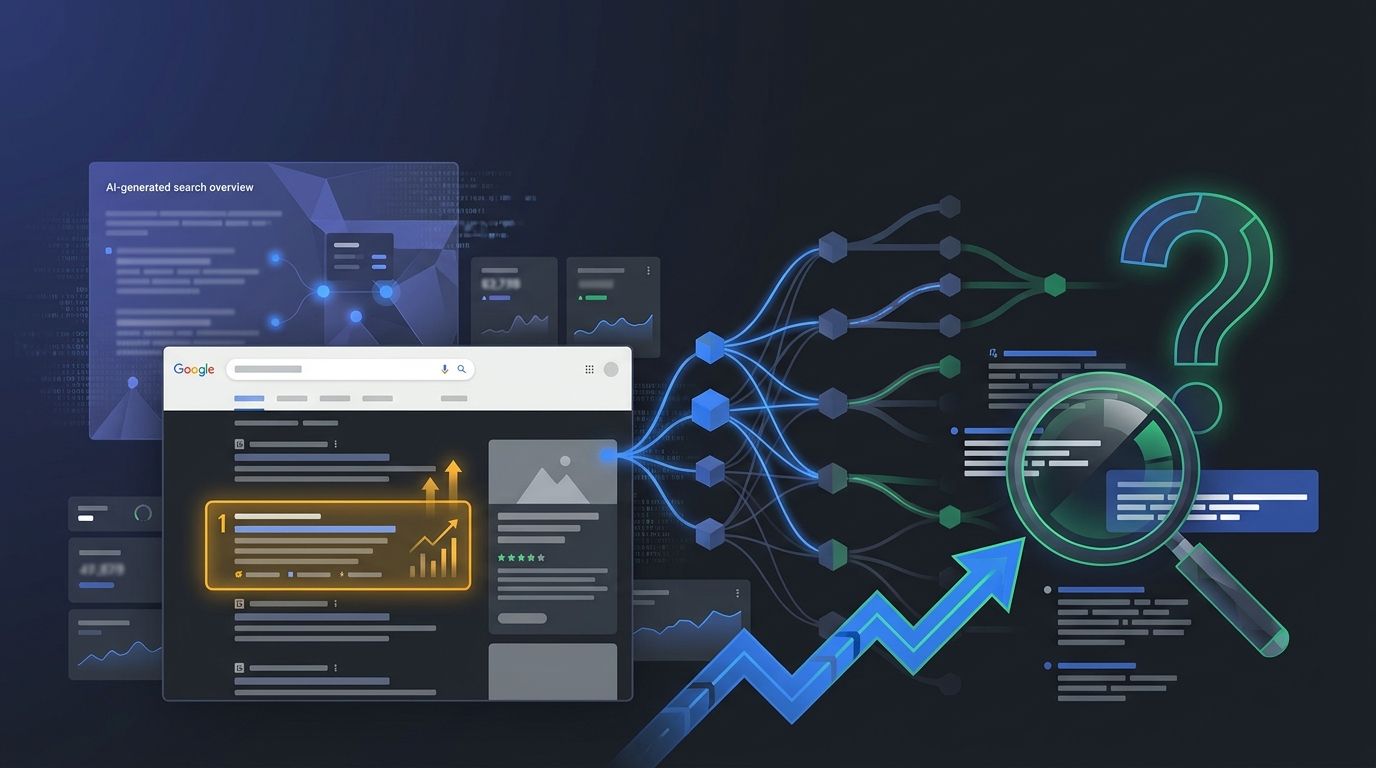
Brands holding first-page Google rankings are absent from 62% of citations in AI-generated search answers, according to a July 22 analysis by Adweek examining generative engine optimization adoption patterns, as only 38% of pages cited in Google's AI Overviews come from URLs in the top ten tradition
AI Overviews Now Trigger on 48% of Google Searches, Slashing Organic CTR Up to 61%
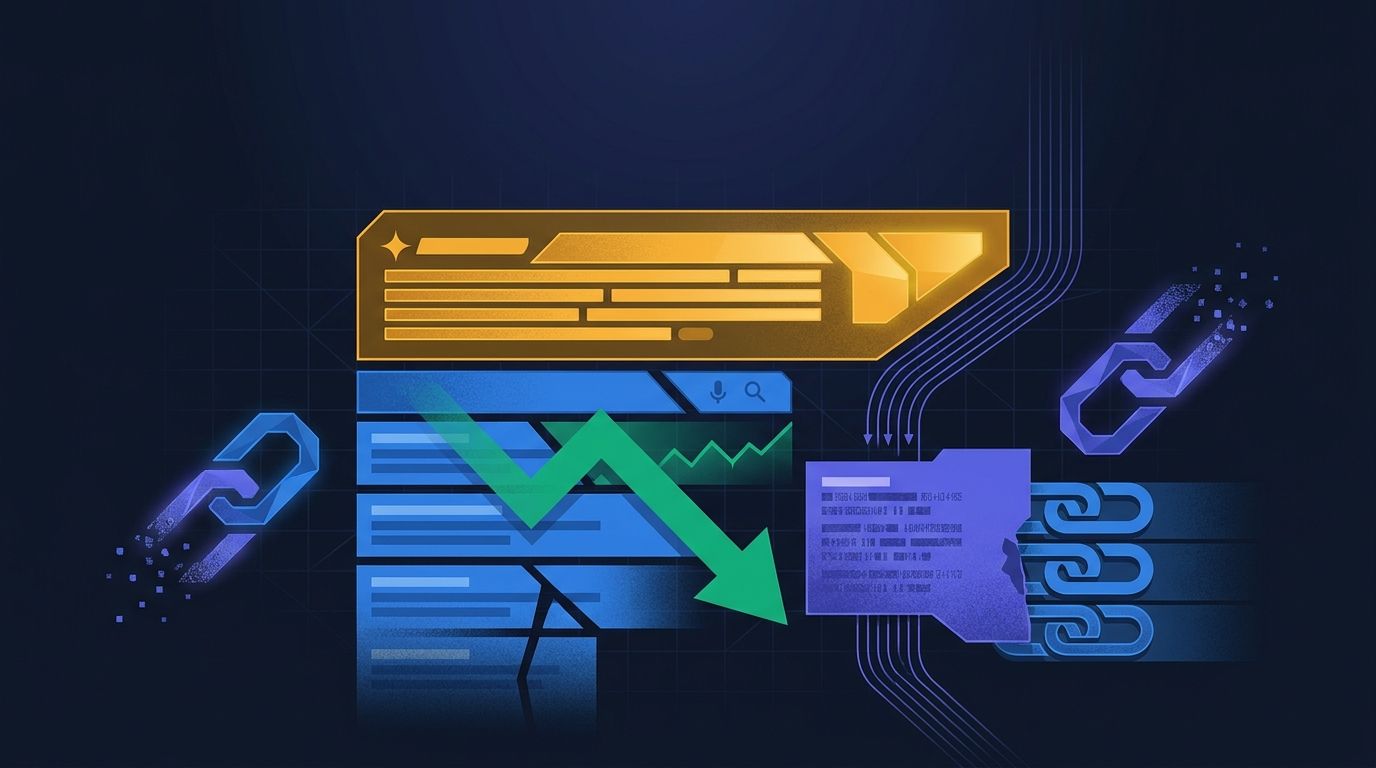
AI Overviews now appear on 48 percent of all Google search queries—a 58 percent increase over the past three months—and zero-click searches have climbed to 83 percent on queries that trigger the feature, according to data published by Quasa on May 24. The shift has driven organic click-through rate
Seventy-Three Percent of Marketers Now Prioritize AI-Generated Answer Optimization as Google Query Volume Reaches Record High
Seventy-three percent of marketers now prioritize content designed to appear in AI-generated search answers, according to a July 21 analysis by SEO Essex citing 2026 Interactive Advertising Bureau data, as Google search query volume reaches an all-time high despite declining click-through rates on t
Explore more topics