
HubSpot Reports 1,850% Lead Increase Through Answer Engine Optimization Strategy
HubSpot's answer engine optimization strategy produced an 1,850% increase in qualified leads and tripled conversion rates compared to traditional search traffic, according to Aja Frost, Senior Director of Global Growth and Paid at HubSpot, in an interview published July 6 by TechRadar. The three-pil
HubSpot Reports 1,850% Lead Increase Through Answer Engine Optimization Strategy
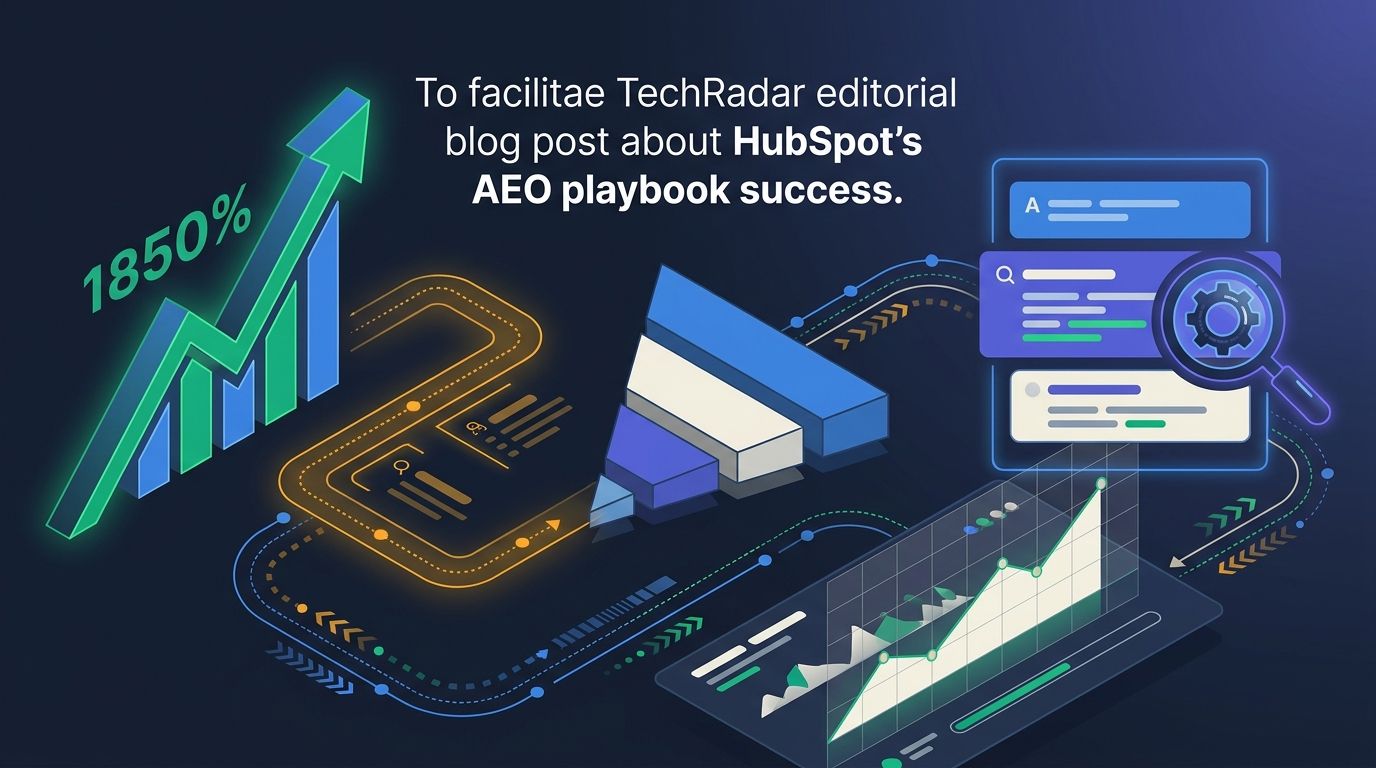
HubSpot's answer engine optimization strategy produced an 1,850% increase in qualified leads and tripled conversion rates compared to traditional search traffic, according to Aja Frost, Senior Director of Global Growth and Paid at HubSpot, in an interview published July 6 by TechRadar. The three-pillar approach—on-site content structured for AI, off-site publisher amplification, and Reddit investment—resulted in 92% of HubSpot's industry-specific pages being cited by answer engines and a 49% lift in overall AI visibility.
The results mark a strategic pivot away from traditional search engine optimization metrics as AI overviews and conversational answer engines increasingly intercept organic search traffic. Frost told TechRadar that traffic volume no longer serves as the appropriate north star metric, stating that AI search visibility, branded search awareness, conversion rate, pipeline quality, and revenue now matter most. LLM-referred traffic converts approximately three times better than traditional search for HubSpot, the company reported.
The Three-Pillar AEO Framework
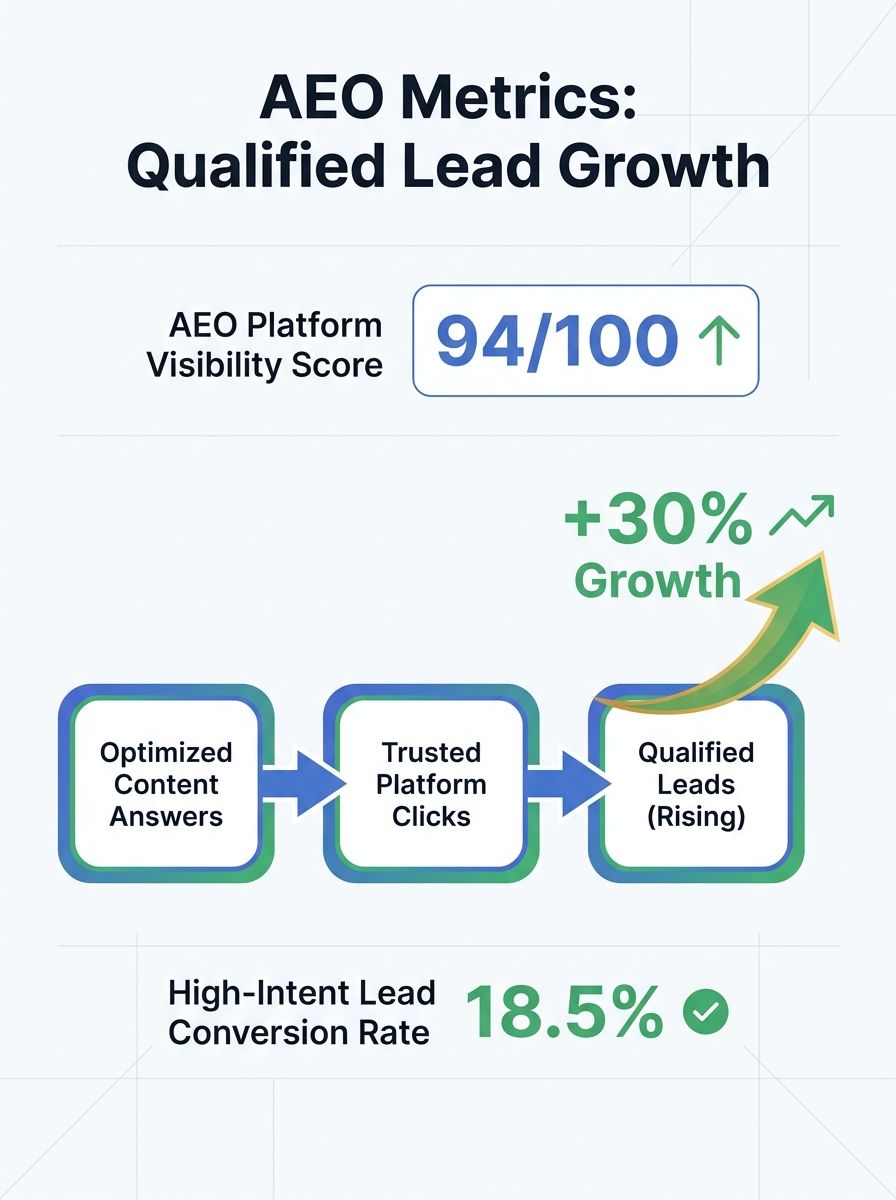
HubSpot's strategy concentrated execution across three distinct channels, Frost explained in the interview. The first pillar involved creating industry-specific pages with structured data, unique insights, and FAQ schema. This on-site content produced a 49% lift in AI visibility, with 92% of those pages earning citations from answer engines. The company also launched a glossary covering top-of-funnel terms with explicit links to relevant products, which increased citation share for related prompts by 60%.
The second pillar targeted off-site amplification by identifying publishers already winning citations but not yet mentioning HubSpot. The company provided those publishers with AEO recommendations and templates, scaling to hundreds of new pages that earned hundreds of thousands of new AI citations, according to Frost.
The third pillar focused on Reddit investment. "We invested heavily in our Reddit strategy, as it was one of the most cited sources for questions our buyers are asking," Frost said in the interview. The multi-channel approach reflects broader industry shifts documented in recent research on how AI chatbots now serve as primary research starting points for B2B software buyers.
The Content Strategy Shift
HubSpot diversified beyond blog content as long-form "ultimate guides" struggled to compete with AI-generated answers. The company now generates 90% of its leads from non-blog sources, with YouTube leads up 100% and newsletter leads up 90%, Frost reported. The shift aligns with recognition that large language models train on and cite from video, newsletters, and podcasts in addition to traditional web content.
"Start writing for AI search," Frost advised in the interview. "If an LLM answers the question 'What is a CRM' and cites your CRM in the response—because you've structured your content in an AI-friendly way, included original data, etc.—you will still ultimately reach the buyer." The content restructuring approach mirrors tactics outlined in HubSpot's earlier content automation workflow guide, which mapped systematic implementation across five lifecycle stages.
Legacy content written for Google rankings typically lacks explicit connections between topics and the company's products or services, Frost noted. HubSpot updated existing content by adding contextual product mentions—for example, adding "HubSpot's Smart CRM includes real-time call insights, so you can course-correct while you're still on the phone with a prospect" to blog posts about running sales calls.
The Conversational Query Model
Content structure must accommodate how buyers ask questions to answer engines rather than how they type keywords into Google, Frost explained. "Your content needs to answer conversational queries directly and authoritatively," she said in the interview. The approach requires using unique data, structuring content for comprehension, and securing citations in sources that large language models pull from during training.
Frost emphasized the necessity of systematic tracking for AI visibility. Marketing teams need to know how AI systems describe their products, which competitors appear in answer engine responses, and whether share of voice improves over time. The measurement discipline extends the multi-channel SEO visibility framework that practitioners adopted in 2026 as traditional Google rankings became insufficient performance indicators.
Search engine optimization retains importance for two reasons, according to Frost. Google's AI search features—AI Mode, AI Overviews, and Gemini—pull information from Google results. Additionally, buyers who discover companies through AI search often use Google to navigate to websites afterward. "You should start by measuring where you show up in AI answers, then systematically close the gaps," Frost advised.
The Takeaway
HubSpot's 1,850% qualified lead increase demonstrates that the shift from traditional SEO to answer engine optimization creates opportunity rather than constraint for marketing teams willing to restructure content strategy. The three-pillar framework—on-site AI-optimized content, off-site publisher amplification, and platform-specific investment in high-citation sources like Reddit—provides a replicable playbook for businesses adapting to AI-mediated search behavior. The company's measurement shift away from traffic volume toward AI visibility, conversion quality, and revenue signals a broader industry recalibration around how search performance connects to business outcomes in 2026.
Alex Chen
Alex Chen is a digital marketing strategist with over 8 years of experience helping enterprise brands and agencies scale their online presence through data-driven campaigns. He has led marketing teams at two successful SaaS startups and specializes in conversion optimization and multi-channel attribution modeling. Alex combines technical expertise with strategic thinking to deliver actionable insights for marketing professionals looking to improve their ROI.
Related Articles

Seventy-Three Percent of Marketers Now Prioritize AI-Generated Answer Optimization as Google Query Volume Reaches Record High
Seventy-three percent of marketers now prioritize content designed to appear in AI-generated search answers, according to a July 21 analysis by SEO Essex citing 2026 Interactive Advertising Bureau data, as Google search query volume reaches an all-time high despite declining click-through rates on t

HubSpot Data Shows 80% of Marketers Now Use AI for Content Creation as Automation Platforms Replace Manual Workflows
HubSpot's 2026 State of Marketing Report reveals that 80% of marketers now deploy AI tools for content and media creation, marking a fundamental shift from manual production to automated operational systems, according to a guide published June 29 by the marketing software company. The data underscor

Beyond Traditional Rankings: How to Optimize for Both Google Search and AI Answer Engines in 2026
Google AI Overviews now appear in over 60% of searches, but only 17% of sources cited in those AI-generated answers also rank in the traditional organic top 10.
Explore more topics