
Google Search Console Social Tracking Feature Draws Criticism as AI Click Loss Shield
Google's recent Search Console update enabling social media performance tracking serves as a strategic deflection from declining website referral traffic caused by AI-generated search summaries, according to a July 16 analysis published by Search Engine Journal.
Google Search Console Social Tracking Feature Draws Criticism as AI Click Loss Shield
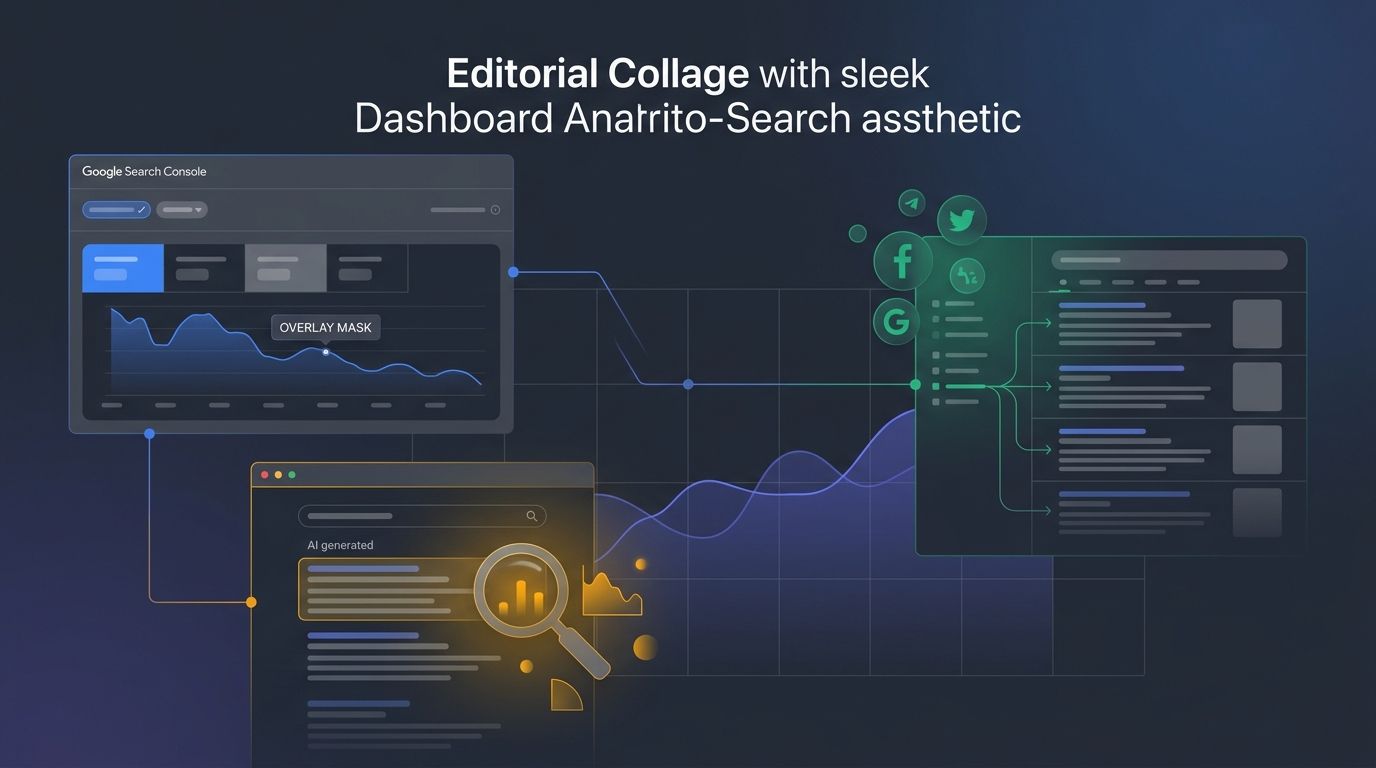
Google's recent Search Console update enabling social media performance tracking serves as a strategic deflection from declining website referral traffic caused by AI-generated search summaries, according to a July 16 analysis published by Search Engine Journal. The feature, which lets brands monitor TikTok, YouTube, and X post impressions in search results, simultaneously collects entity-resolution data Google needs to train its language models, the analysis argues.
Social Metrics Replace Website Traffic as Success Indicator
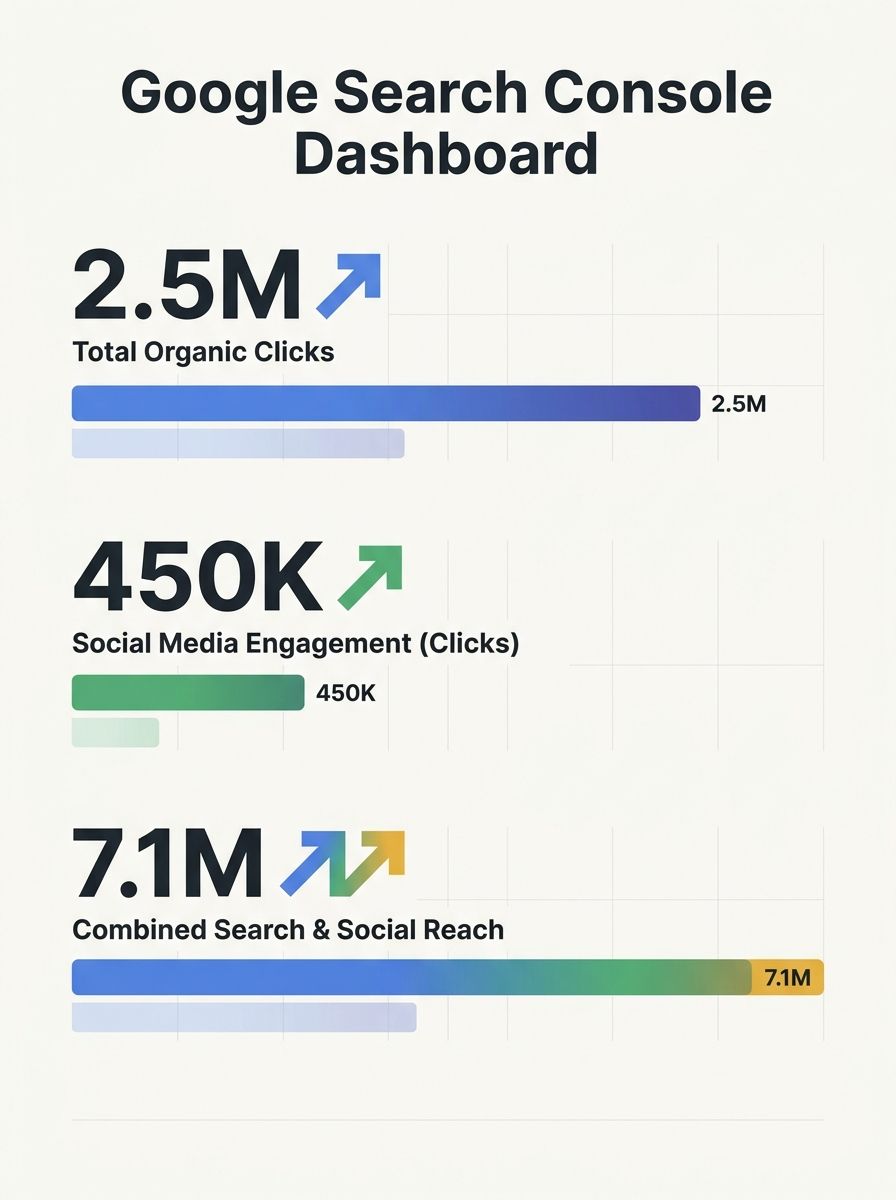
The Search Console update changes how digital marketers measure search performance by introducing social media views as a parallel metric to website clicks. When organic traffic drops, Google can point to social impressions as evidence of continued visibility, according to the Search Engine Journal analysis. The update positions Google as "the central control room for all visibility" even when the platform reduces direct website referrals through AI-generated summaries that answer queries without requiring users to click through to external sites.
Traditional organic traffic served as the primary justification for marketing budgets across the industry. The new tracking framework redefines that success metric by bundling social impressions with search performance data inside a single Google-controlled dashboard.
Entity Resolution Data Flows Through Profile Verification
By encouraging brands to verify social accounts within Search Console, Google collects entity-resolution data that maps relationships between websites, social profiles, and content creators. Publishers who link their X accounts, TikTok profiles, and websites through the verification process provide Google with clean identity data the company can use to train language models on authoritative sources, the analysis states.
The update aligns with Google Search Profiles, a feature that resembles the authorship benefits previously offered through Google+. Social profiles with documented human engagement serve as proof-of-life verification that distinguishes legitimate brands from synthetic spam sites, according to the report. Anyone can generate thousands of AI-written articles and inflate authority metrics, but maintaining active social channels with real engagement requires sustained human effort.
Google has maintained social data access through various partnerships for nearly a decade. The company secured a data firehose agreement with X (then Twitter) in 2015, allowing real-time indexing of public posts. The Search Engine Journal analysis noted that X posts from October 2024 continue generating search clicks in July 2026, indicating Google indexes both current and archived social content.
Outdated Social Content Creates Misinformation Risk
Historical social posts can surface inaccurate information in both search results and large language model responses. The Search Engine Journal report documented a case where multiple LLMs returned pricing information from a July 2022 X post advertising a student-only promotion, creating a negative brand experience when users encountered substantially different current pricing. This parallels tracking challenges with AI-referred traffic, where outdated or misattributed content appears in AI-generated responses without clear sourcing.
Google pulls social content into search results through live data feeds, standard web crawling, and dynamic JavaScript rendering. The specific process varies by platform and respects user privacy settings, but the technical infrastructure enables both fresh and archived posts to appear in search results depending on relevance signals.
Marketing Implications
SEO specialists must track social impressions in Search Console as a supplementary visibility metric while maintaining focus on website referral traffic as the primary conversion driver. The update creates reporting complexity when organic clicks decline but social impressions increase, requiring marketers to defend budget allocation with leadership teams that may interpret bundled visibility data as stable overall performance. Marketing managers should establish baseline social impression metrics now to detect future shifts, while documenting that social views do not generate the same conversion outcomes as website visits.
The entity-verification aspect carries practical value despite the data-collection concerns. Linking verified social profiles to your domain strengthens Google's confidence in content authenticity, potentially improving rankings as the platform filters synthetic spam. However, brands should audit historical social posts for outdated pricing, discontinued offers, or obsolete product information that could surface in both traditional search and AI-generated answer engines. A quarterly social content deprecation review—archiving or deleting posts with time-sensitive information after six months—reduces misinformation risk while maintaining the engagement signals Google uses for trust verification. Digital agency professionals working across multiple client accounts should prioritize Search Console social verification for clients in competitive verticals where AI Overviews already reduce first-position organic click-through rates.

Sarah Chen
SEO strategist and web analytics expert with over 10 years of experience helping businesses improve their organic search visibility. Sarah covers keyword tracking, site audits, and data-driven growth strategies.
Related Articles

Google's May 2026 Search Redesign Cuts Publisher Traffic by 70% to 89% as AI Answers Replace Click-Through Results
Google announced the largest redesign of its search interface in 25 years at its May 2026 developer conference, introducing a conversational search box that accepts text, images, video, and file uploads while deploying automated information agents that monitor topics and push updates without user qu

Marketing Teams Report Organic Traffic as Primary KPI Despite 48% AI Overview Coverage and 68% Zero-Click Search Rate
Marketing teams continue to structure quarterly search performance reports around organic traffic and click-through metrics even as Google's AI Overviews now generate answers for 48 percent of all queries without requiring users to click any result, according to June 2026 research published by Spark

AI Overviews Now Trigger on 48% of Google Searches, Slashing Organic CTR Up to 61%
AI Overviews now appear on 48 percent of all Google search queries—a 58 percent increase over the past three months—and zero-click searches have climbed to 83 percent on queries that trigger the feature, according to data published by Quasa on May 24. The shift has driven organic click-through rate
Explore more topics