
Full Throttle SEO Warns Against Content Volume Approach for AI Search Optimization
Ivy Boyter, founder of Full Throttle SEO, cautioned businesses July 12 against producing high volumes of content to gain AI search visibility, arguing the strategy repeats content bloat and keyword cannibalization mistakes that damaged websites during the traditional SEO era, according to a statemen

Full Throttle SEO Warns Against Content Volume Approach for AI Search Optimization
Ivy Boyter, founder of Full Throttle SEO, cautioned businesses July 12 against producing high volumes of content to gain AI search visibility, arguing the strategy repeats content bloat and keyword cannibalization mistakes that damaged websites during the traditional SEO era, according to a statement released through PR.com.
Boyter's warning arrives as marketing teams face pressure to establish visibility in ChatGPT, Perplexity, and Google AI Overviews alongside traditional search results. The firm's position contradicts guidance from vendors and agencies advising content volume increases to capture AI engine citations.
The Content Bloat Parallel
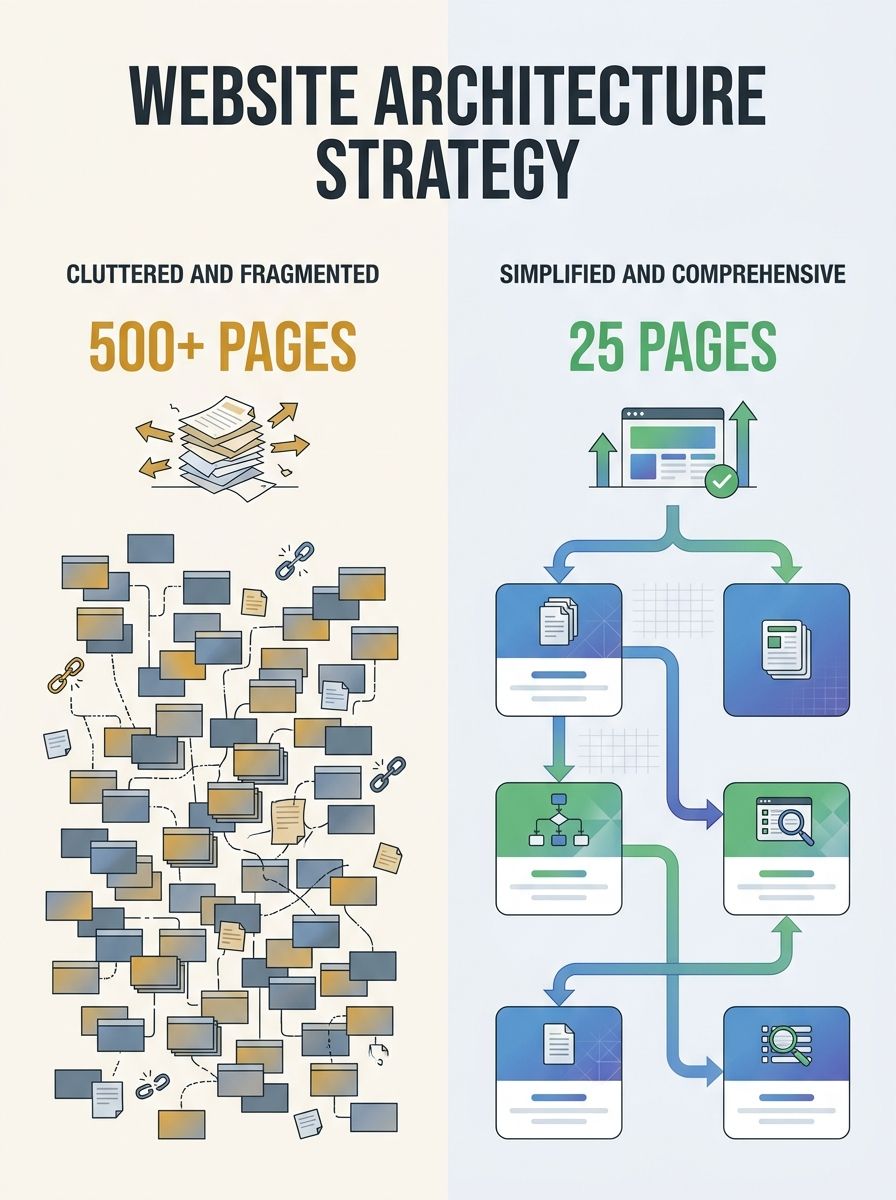
Full Throttle SEO's statement draws parallels between current AI optimization advice and the 2010-2015 period when businesses published hundreds of thin, keyword-targeted pages. That approach produced duplicate content penalties, keyword cannibalization across similar pages, and declining organic traffic as Google's algorithm evolved to reward content depth over page count.
"Many are being told to create more content" for AI search visibility, Boyter stated in the release. The firm argues this volume-focused approach risks the same structural problems that required costly content audits and site restructuring in the late 2010s.
The evolution from keyword-driven SEO tactics to AI-generated content saturation has compressed a fifteen-year cycle into three years, creating similar optimization pressure points.
Recommended Alternative Strategy
Full Throttle SEO's approach centers on strengthening existing content rather than expanding page count. The firm advocates improving clarity in current articles, adding depth to existing resources, and aligning content directly with qualified traffic and lead generation metrics rather than AI mention volume.
Boyter's statement emphasizes focusing optimization work on "strategies that drive qualified traffic, leads, and revenue, not just AI mentions." This positions AI visibility as a means to conversion outcomes rather than an end goal, contrasting with emerging generative engine optimization metrics that track citation counts and mention frequency.
The firm did not release specific implementation frameworks or case study data supporting the content consolidation approach. The statement positions the guidance as preventive rather than reactive, aimed at businesses beginning AI optimization programs.
Industry Context for the Warning
The timing of Full Throttle SEO's statement coincides with the maturation of answer engine optimization as a distinct practice area. Marketing technology vendors launched AI search analytics platforms throughout the first half of 2026, many tracking metrics like citation volume, source attribution, and answer-engine ranking positions.
These measurement capabilities created optimization targets similar to traditional keyword rankings, with predictable pressure to scale content production. Businesses working to optimize for both Google Search and AI answer engines face competing strategic advice about whether dual-channel optimization requires content volume increases or refinement of existing assets.
Full Throttle SEO's position represents the content-quality camp in an emerging debate about AI search optimization resource allocation. The firm's PR statement provided no cost-benefit analysis, A/B testing results, or client performance data comparing volume versus refinement approaches.
What This Means for Marketing Managers
Marketing managers allocating 2026 Q3 and Q4 budgets for AI search optimization face a strategic choice between content expansion and content refinement. Full Throttle SEO's warning raises valid parallels to past SEO mistakes, but lacks the performance data needed to settle the volume-versus-quality debate for AI search.
Teams already managing large content libraries inherited from previous SEO strategies should audit for keyword cannibalization and thin content before adding new pages for AI visibility. The same structural problems that hurt traditional search performance—duplicate topics across multiple URLs, shallow treatment of subjects, and keyword stuffing—will likely undermine AI engine trust and citation rates.
Managers building new AI optimization programs should establish qualified lead and revenue tracking alongside AI mention metrics from day one. Optimizing for citation volume without conversion tracking risks repeating the vanity-metric trap that plagued early SEO measurement, where ranking improvements failed to deliver business outcomes. Set clear thresholds for what constitutes qualified traffic from AI sources and measure content performance against those standards, not raw mention counts.
Alex Chen
Alex Chen is a digital marketing strategist with over 8 years of experience helping enterprise brands and agencies scale their online presence through data-driven campaigns. He has led marketing teams at two successful SaaS startups and specializes in conversion optimization and multi-channel attribution modeling. Alex combines technical expertise with strategic thinking to deliver actionable insights for marketing professionals looking to improve their ROI.
Related Articles

AI Systems Recommend Brands Based on Third-Party Mentions, Not Direct SEO Signals, Agency Founder Says
Kris Jones, founder of LSEO and former CEO of Pepper Jam, stated that AI search systems recommend brands based on third-party mentions and brand signals rather than direct optimization efforts, according to a Search Engine Journal podcast published August 3, 2026.

Seventy-Three Percent of Marketers Now Prioritize AI-Generated Answer Optimization as Google Query Volume Reaches Record High
Seventy-three percent of marketers now prioritize content designed to appear in AI-generated search answers, according to a July 21 analysis by SEO Essex citing 2026 Interactive Advertising Bureau data, as Google search query volume reaches an all-time high despite declining click-through rates on t

AI Overviews Now Trigger on 48% of Google Searches, Slashing Organic CTR Up to 61%
AI Overviews now appear on 48 percent of all Google search queries—a 58 percent increase over the past three months—and zero-click searches have climbed to 83 percent on queries that trigger the feature, according to data published by Quasa on May 24. The shift has driven organic click-through rate
Explore more topics