The Schema Markup Hierarchy: Structuring Data to Signal Topic Authority Across Your Content Clusters
Schema markup applied to individual pages without a defined hierarchy connecting them produces zero measurable lift in conversion rates.
Tag

Schema markup applied to individual pages without a defined hierarchy connecting them produces zero measurable lift in conversion rates.

Google Search Console's page indexing report marks a URL as "Submitted and indexed," and most site owners interpret that green status as mission accomplished.

Screaming Frog finished its crawl of a 412-page B2B SaaS site in eleven minutes and surfaced 47 orphaned URLs, zero internal links pointing to the company's primary product page, and a maximum click depth of nine for content that was supposed to be driving organic demo requests.

Every internal link on your site carries three distinct signals to Google: relevance context from the anchor text, authority weight from PageRank flow, and topical association from the surrounding content.

Analysis of Google's leaked API documentation by iPullRank in 2024 confirmed that Google maintains multiple index tiers internally labeled Base, Zeppelins, and Landfills.

Eight hours of planning per month. That's the documented overhead for a well-run 4-week SEO sprint, according to monday.com's sprint planning research.

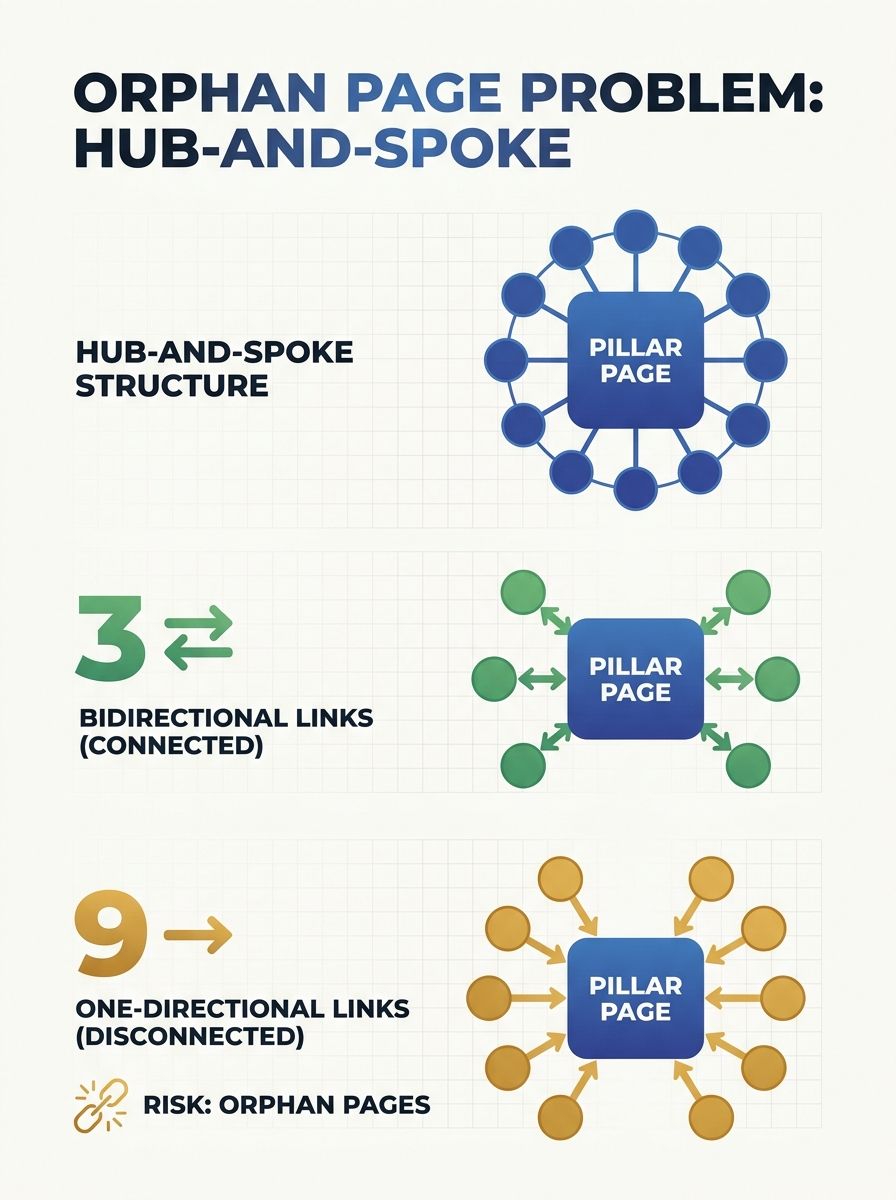
Your topic clusters are architecturally incoherent, and publishing more content into them is making the problem worse.

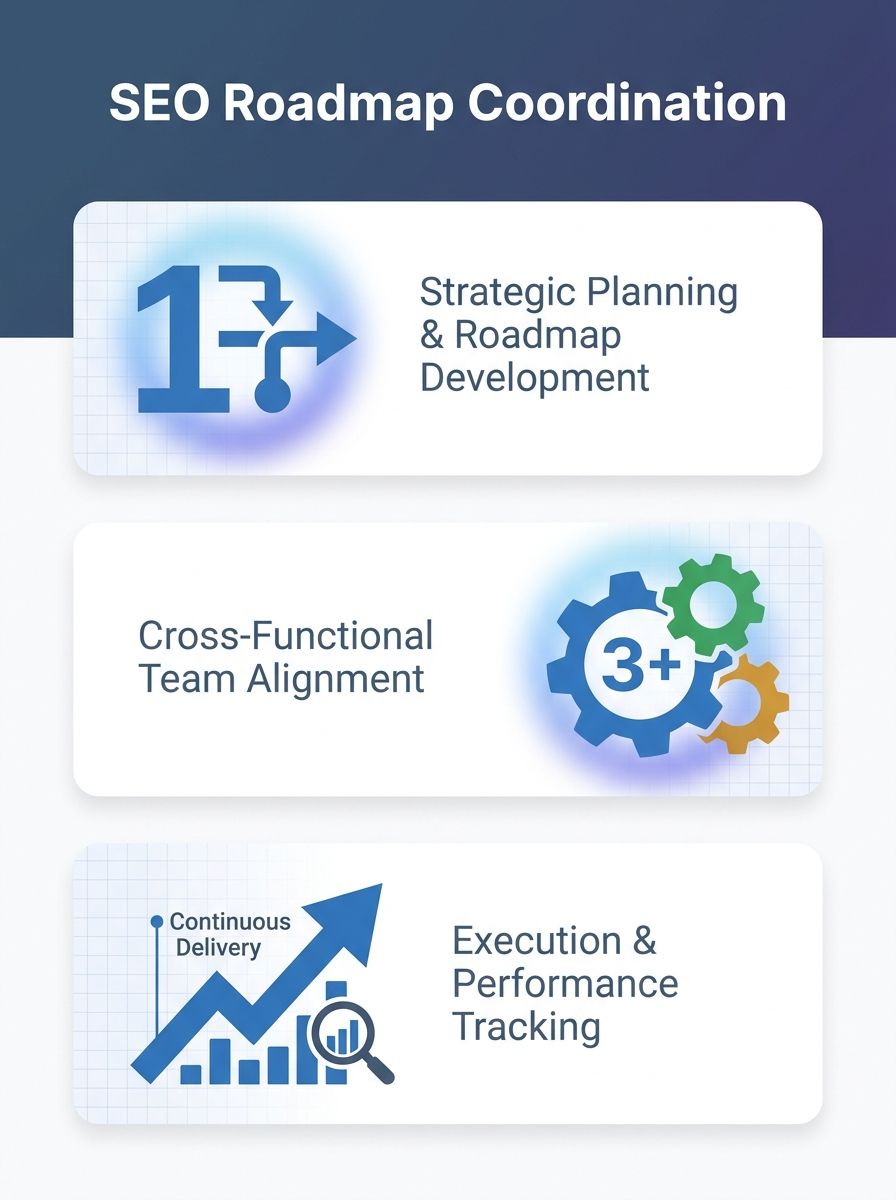
In-house SEO roles require fundamentally different skill sets than agency positions, with execution and cross-departmental coordination replacing deliverable production as the primary success metric, according to a career transition guide published by Search Engine Land on April 27. Drew Marlier, an

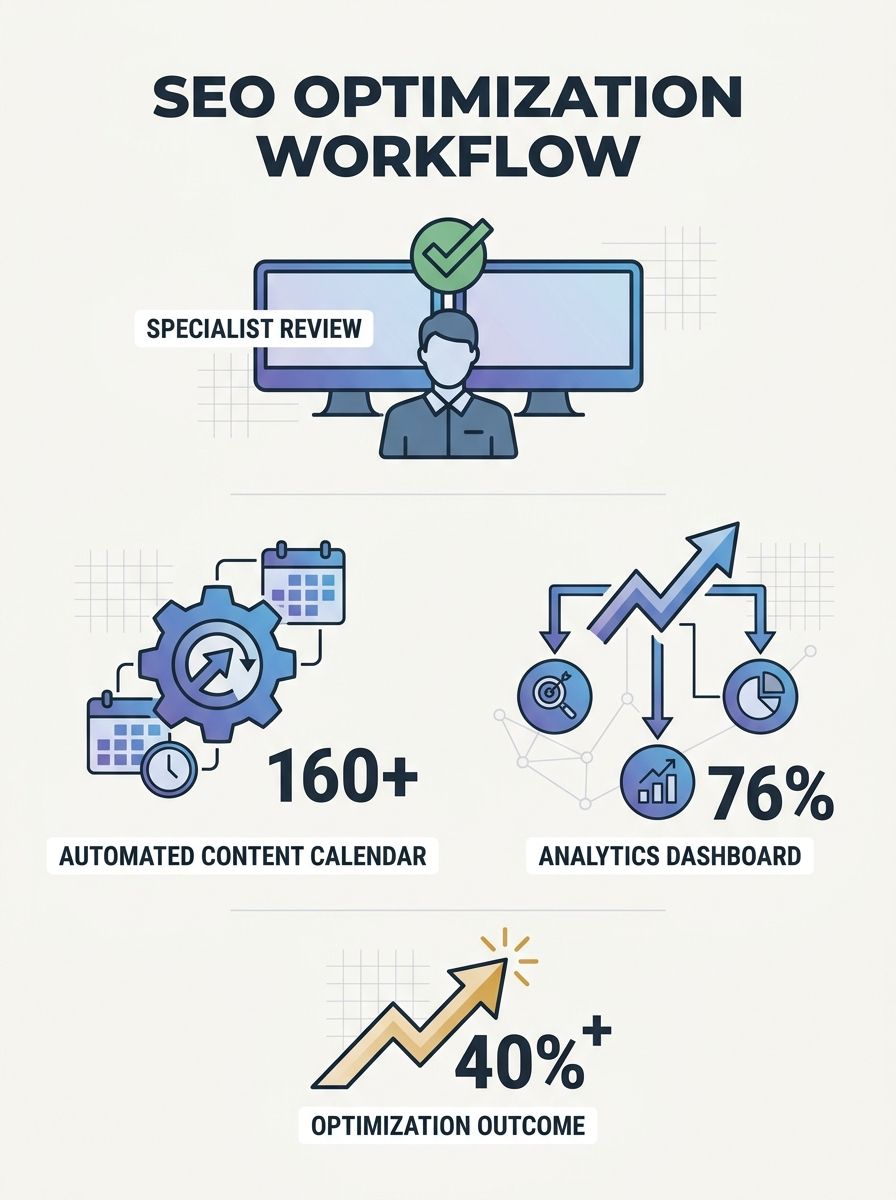
Search Engine Land published an automation framework on April 24 identifying eight repetitive SEO tasks that marketing teams can delegate to AI workflows, according to a detailed implementation guide by consultant Roslyn Ayers. The framework targets manual processes that consume hours of specialist

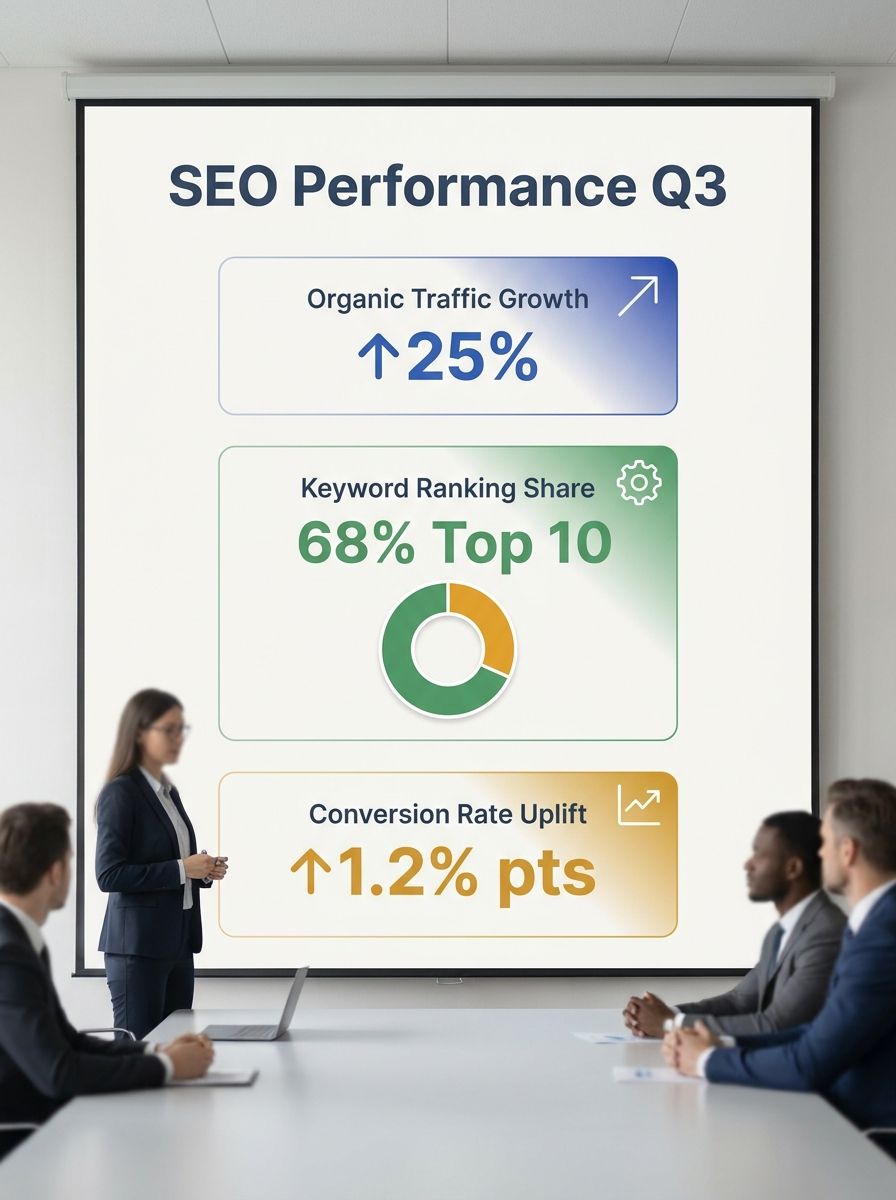
SEO professionals face mounting pressure to explain organic traffic declines to executives who lack the technical context to understand algorithmic shifts, according to a framework published by agency owner Maeva Cifuentes on Search Engine Land April 23. The 13-year SEO veteran outlined five strateg

Established brands with dominant market positions and solid Google rankings are being excluded from AI-generated search results, according to an analysis published by Adgully examining the disconnect between traditional search engine optimization and AI-driven recommendations.