
Zero-Click SEO: How to Win Traffic When Your Link Doesn't Get Clicked
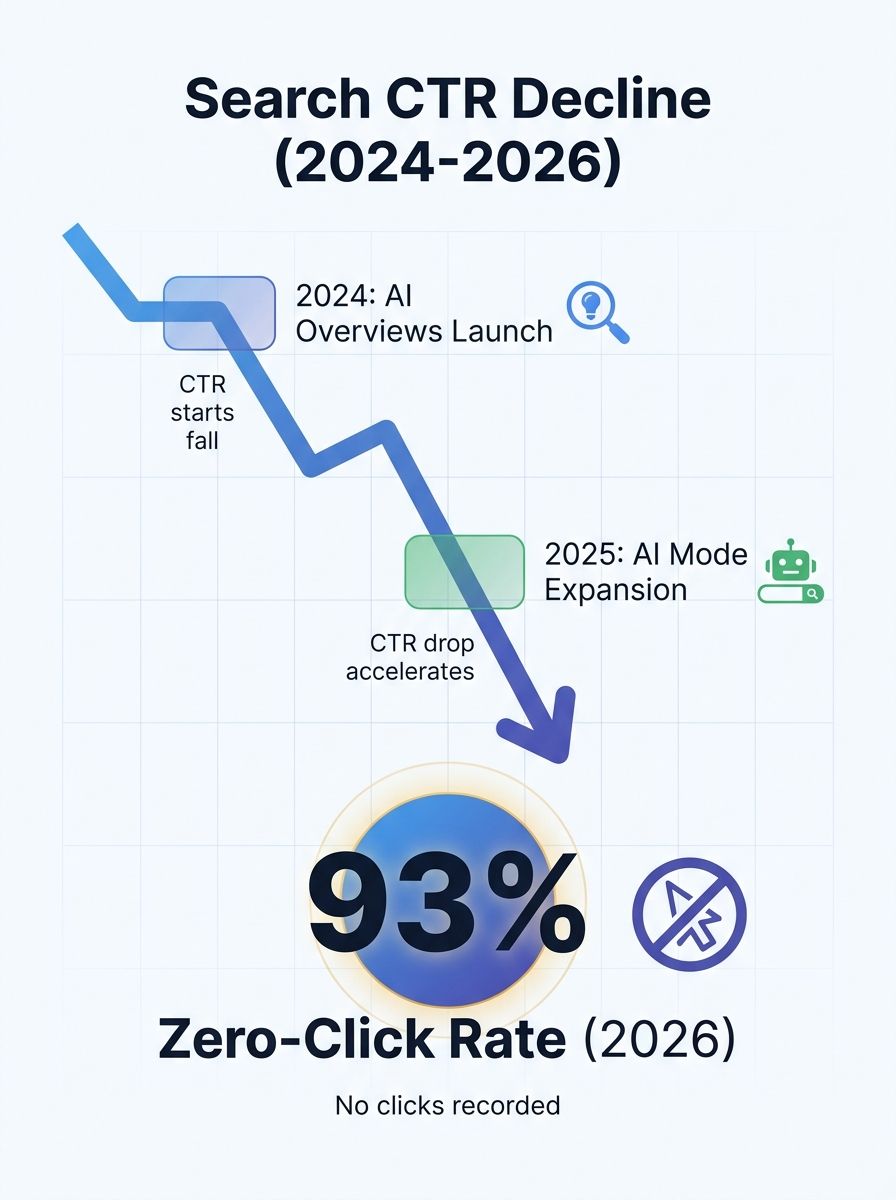
93% of searches in Google's AI Mode end without a single click to an external website. That number, reported by Semrush and confirmed in updated 2026 data, isn't a forecast or a projection. It's what's happening right now, this week, across every search vertical I track for clients.
Zero-Click SEO: How to Win Traffic When Your Link Doesn't Get Clicked
93% of searches in Google's AI Mode end without a single click to an external website. That number, reported by Semrush and confirmed in updated 2026 data, isn't a forecast or a projection. It's what's happening right now, this week, across every search vertical I track for clients. And if your SEO strategy still defines success as "get the click," you're measuring a game that's already over.
I've spent the past six weeks rebuilding reporting dashboards for three enterprise clients whose organic traffic dropped 30-40% after AI Mode rolled out to all U.S. users in March. The traffic didn't vanish because their rankings fell. Their rankings are fine. The clicks simply stopped coming. That distinction matters enormously, and it's the core of what zero-click search optimization really means in practice.
AI Mode Changes Everything
Google's AI Mode went from limited testing to full U.S. availability in March 2026, and the impact has been swift. Unlike AI Overviews, which appear above traditional results but still show the familiar blue links below, AI Mode completely replaces the SERP with a conversational AI response. Citations are buried at the bottom. The ten blue links? Gone.
Here's the landscape as it stands this week:
AI Overviews now appear in roughly 16% of all searches, down from a peak of 25% in mid-2025 after Google pulled them back from shopping queries (from 29% to just 3.2%)
AI Mode's zero-click rate sits at 93%, dwarfing traditional search's already-high 58.5% U.S. zero-click rate
Mobile zero-click reaches 77.2%, compared to 46.5% on desktop
Only 1% of users click links within AI Overviews
The timing couldn't be more relevant. Just yesterday, Digiday reported that agencies are scrambling to hire SEO talent with zero-click expertise. Search Engine Journal published a piece this week on Google's agentic search disrupting SEO today, not in some theoretical future.
This isn't a drill. And if you've been focused on rebuilding your strategy for AI-driven search, you're ahead of most. But understanding the problem is only step one.
Why Featured Snippets Matter More Than Ever
Here's where things get counterintuitive. You might assume featured snippets are dead since Google is answering everything with AI. They're not. A strong featured snippet strategy is actually more important now than it was two years ago, but for a completely different reason.
According to Search Engine Land, featured snippets sit at what SEOs call Position #0, appearing above the traditional first result. Backlinko's data shows a featured snippet captures approximately 8% of all clicks. That sounds modest until you realize it's 8% of a shrinking pie, and everyone else is fighting over crumbs.
But here's the real reason featured snippets matter now: they're the primary source material for AI Overviews and AI Mode responses. Google's AI doesn't generate answers from thin air. It pulls from pages it already trusts. If your content holds the featured snippet for a query, you're significantly more likely to be the cited source when AI Mode synthesizes its response.
The data backs this up. Brands cited in AI Overviews see a 35% higher CTR compared to non-cited sources, according to Seer Interactive's analysis. So the position zero ranking game has evolved: you're not just competing for the snippet box, you're competing to be the source the AI trusts.
How to Audit Your Featured Snippet Opportunities
I follow a specific process for every client:
Pull your top 200 ranking queries from Google Search Console where you hold positions 1-10
Filter for queries that already trigger featured snippets (use a rank tracking tool that shows SERP features)
Identify which snippets you own vs. which a competitor holds
Prioritize queries where you rank in the top 5 but don't hold the snippet
That last group is your low-hanging fruit. Semrush's research confirms that the best opportunities for featured snippets are queries where you're already on page one. You don't need to build authority from scratch. You need to restructure your answer.
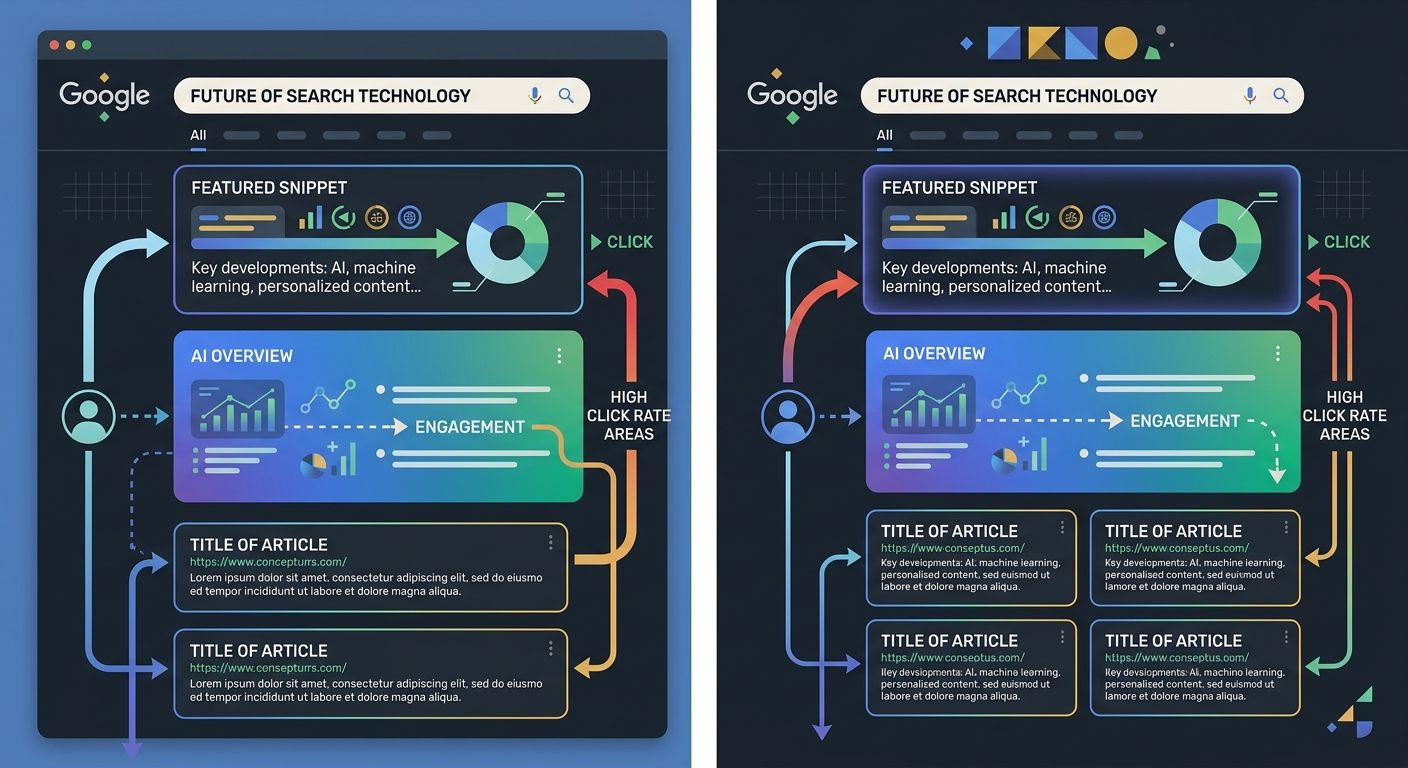
For paragraph snippets, answer the question directly in 40-60 words immediately after your H2. For list snippets, use clear numbered or bulleted formatting. For table snippets, put comparison data in actual HTML tables. This isn't guesswork. Google Search Console and third-party rank tracking tools let you monitor which queries trigger snippets for your content so you can iterate.
Actionable takeaway: Audit your top 50 featured snippet opportunities this week. For each one you don't currently hold, restructure the relevant section to answer the query more directly than the current snippet holder.
Optimizing for AI Systems Beyond Google
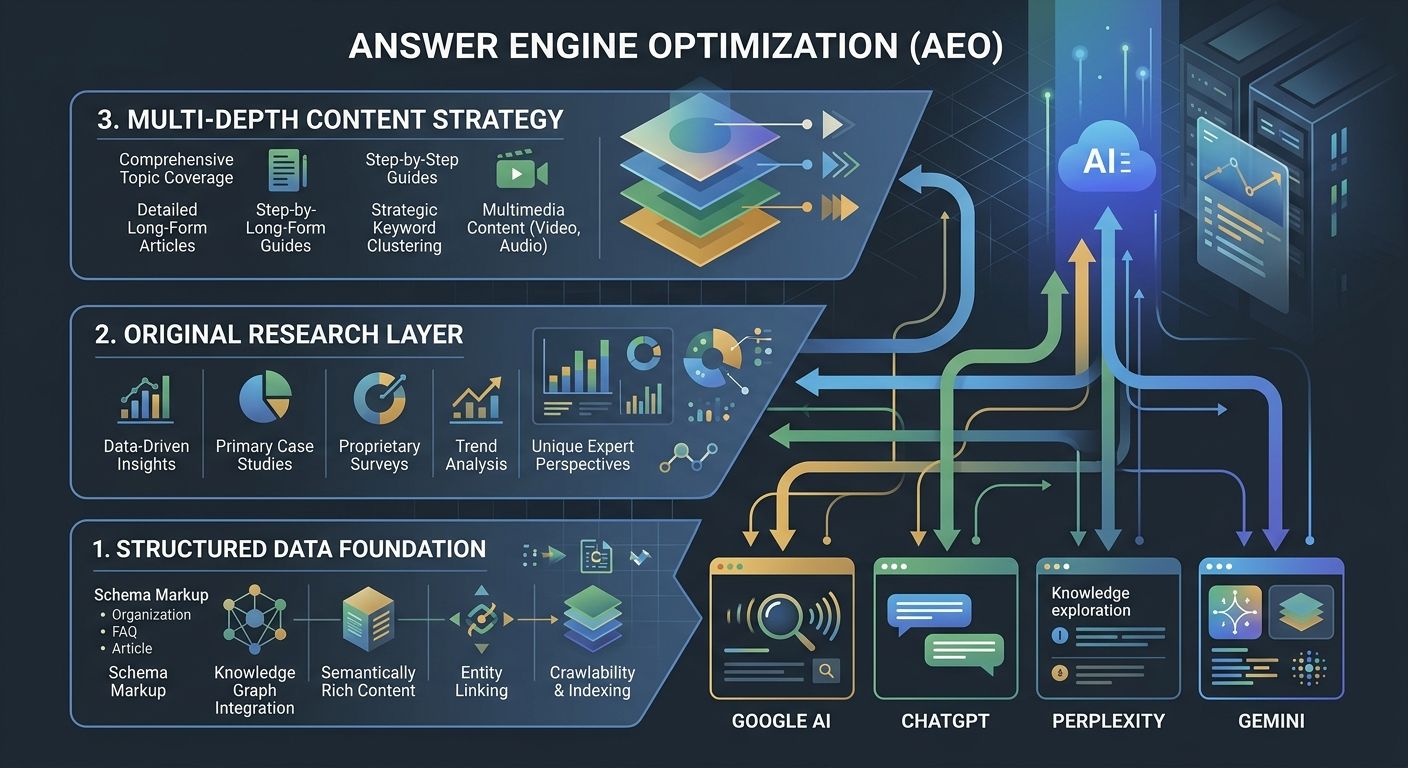
Answer engine SEO is the discipline I wish existed five years ago. The concept is straightforward: optimize your content to be surfaced by AI systems that deliver direct answers, whether that's Google's AI Overviews, ChatGPT, Gemini, Perplexity, or voice assistants.
HubSpot defines AEO (answer engine optimization) as the practice of making your content visible and useful to AI systems that generate direct answers. I've been writing about how AI answer engines are eating traditional SEO traffic, and the strategies that work share common DNA.
Here's what I'm seeing work across my client base right now:
Structure for Machines, Write for Humans
Schema markup is no longer optional. Structured data helps both LLMs and search engines understand your content, which directly influences whether you get cited in AI-generated answers. Focus on FAQ schema, HowTo schema, and Article schema as your starting three. If you've already built a solid technical SEO foundation, adding schema is a natural extension.
Publish Original Data
AI can't cite what doesn't exist. Original research, proprietary benchmarks, survey results, and case studies give AI systems a reason to reference you specifically. One B2B client I work with started publishing quarterly industry benchmarks. Within eight weeks, their citation frequency in Perplexity answers tripled. Not clicks. Citations. That distinction is the new metric.
Answer Questions at Multiple Depths
Provide a concise 40-60 word answer for the snippet. Then go deeper. AI systems pull the summary, but users who want more will follow the citation. This two-layer approach serves both AI search visibility and the human readers who do click through.
Actionable takeaway: Add FAQ schema to your top 20 traffic pages this month. Track which pages get cited in AI Overviews using Search Console's new impression data.
Sector-Specific Reality Check
Not every industry is equally affected, and knowing where you sit changes your strategy. The data from Ahrefs and Workshop Digital paints a clear picture:
Hardest hit sectors:
Tech/B2B: up to 70% of queries trigger AI Overviews
Science: 43.6%
Health: 43.0%
Nearly 100% of purely informational keywords now trigger AI Overviews
Least affected sectors:
E-commerce/shopping: 3.2% (Google pulled back AI Overviews here because they didn't drive sales)
Real estate: 5.8%
Sports: 14.8%
If you're in tech or B2B, your informational content strategy needs a complete rethink. I worked with a SaaS company whose "how to" articles drove 60% of organic traffic. That traffic is down 45% since March. Their product comparison pages? Down only 8%. The lesson is obvious: transactional and commercial queries still generate clicks. Pure information gets answered by AI.
This aligns with what I've been advising about matching content to actual search intent. If someone searches "what is zero-click search," Google will answer that. If someone searches "best tools for tracking zero-click impact," they're more likely to click through.
What to Measure When Clicks Disappear
Here's where I see most teams struggling. Your analytics dashboards were built for a click-based world. They need to evolve.
Track these instead:
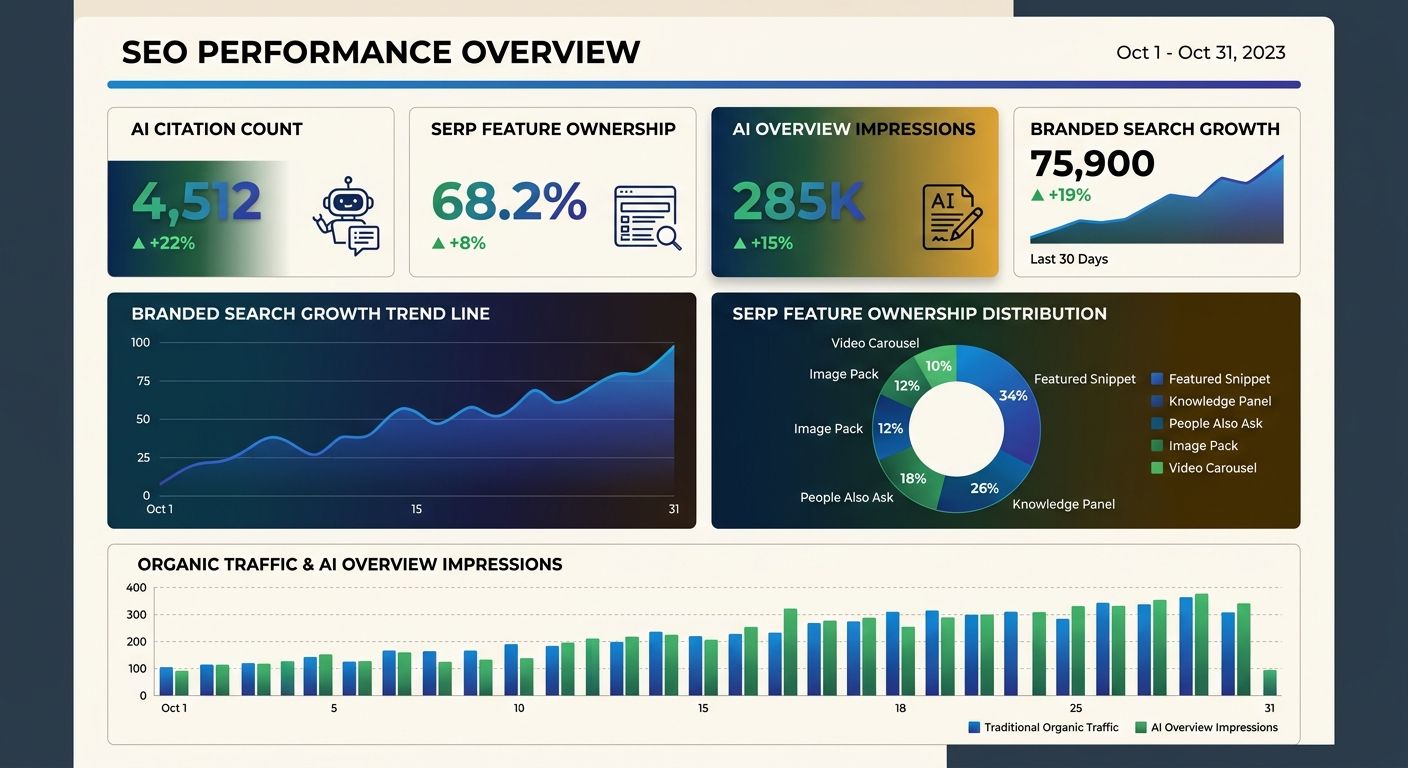
AI Overview impressions in Google Search Console (newly available as of early 2026)
Citation frequency across AI platforms (manual audit monthly, or use emerging tools)
Branded search volume growth over time (the strongest signal that zero-click visibility is working)
SERP feature ownership rate across your target keywords
Engagement depth for the traffic that does arrive (these visitors are higher intent)
As The Drum noted this week, the attribution gap is breaking traditional SEO reporting. The goal isn't perfect attribution anymore. It's directional clarity: understanding how your presence in AI-driven search influences consideration and conversion later in the funnel.
Immediate Action Plan
I don't believe in strategies that take six months to show whether they're working. Here's what you can execute immediately:
This week:
Audit your top 50 keywords for SERP features and AI Overview triggers
Identify which featured snippets you can realistically capture
Add FAQ schema to your 10 highest-impression pages
This month:
Restructure your top informational pages to provide concise answers in the first paragraph, followed by deeper analysis
Shift content calendar priority toward commercial and comparison content that still generates clicks
Set up branded search volume tracking as a primary KPI
This quarter:
Publish at least one piece of original research or proprietary data per month
Build presence on non-Google platforms where your audience researches (Reddit, YouTube, industry communities)
Implement a monthly AI citation audit across ChatGPT, Perplexity, and Gemini
The SEO professionals who thrive through this shift won't be the ones mourning the loss of blue-link traffic. They'll be the ones who recognized, early, that visibility and authority are more valuable than any single click. Zero-click search optimization isn't about fighting the trend. It's about making the trend work for your brand.
The agencies are hiring for this skill set right now. Your competitors are restructuring their teams around it. The question isn't whether zero-click SEO matters. It's whether you'll adapt before your traffic chart answers that question for you.
Sarah Chen
SEO strategist and web analytics expert with over 10 years of experience helping businesses improve their organic search visibility. Sarah covers keyword tracking, site audits, and data-driven growth strategies.
Explore more topics